
Let me be honest with you when I first heard the term “property management,” I thought it just meant collecting rent and calling a plumber once in a while. I was wrong. Dead wrong. Managing a rental property is running a small business, and if you treat it like anything less, it will cost you.
At its core, property management covers finding good tenants, keeping the property in shape, staying on top of finances, and making sure you’re not accidentally breaking any laws. Sounds simple enough. But ask any landlord who’s dealt with a bad tenant, a flooded basement, or a Fair Housing complaint, and they’ll tell you the details matter a lot. Here at Info Active Property Care, we’ve put together everything we wish we’d known before getting started.
“The gap between a landlord who builds real wealth and one who just breaks even usually isn’t the property it’s how it’s being managed.”
- Bad tenant screening is the #1 reason landlords lose money don’t rush it
- A sloppy lease agreement will come back to bite you every clause matters
- Fix things before they break preventive maintenance is always cheaper
- Fair Housing violations happen by accident more than people think stay informed
- The landlords who scale successfully all have one thing in common: good systems

Setting Up Your Property for Rental Success
Here’s where a lot of new landlords mess up they’re so excited to get a tenant in that they skip the setup phase entirely. Then three months later they’re dealing with complaints, vacancies, or worse. Slow down. Get this part right first.
Price Your Rental Correctly
Pricing too high and the unit sits empty. Pricing too low and you’re leaving real money on the table every single month. Spend an hour on Zillow, Apartments.com, and Rentometer looking at comparable rentals nearby same neighborhood, similar size, similar condition. If your place is clean and updated, aim for the upper-middle of that range. Don’t guess.
Prepare the Property
Walk through your unit like you’re the tenant. Is it clean? Does anything look worn out or broken? Fresh paint, clean carpets, and working appliances aren’t optional they’re the baseline. A well-prepped unit rents faster and pulls in better applicants. It also sets the tone for how tenants will treat the place.
Spend the $150 on a professional photographer. Seriously. Listings with good photos get clicked on way more often we’re talking up to 40% more inquiries. Most landlords skip this and wonder why their listing isn’t getting calls.

Tenant Screening: The Foundation of a Good Rental
I’ll say this plainly nothing you do as a landlord matters more than who you put in your property. Get this wrong and every other step becomes a nightmare. Get it right and managing the property is genuinely straightforward most of the time.
Screen every adult applicant the same way, every single time. No exceptions, no gut-feeling shortcuts.
| Screening Step | What to Look For | Red Flags |
|---|---|---|
| Credit Check | Score 620+, clean payment history | Recent evictions, collections |
| Income Verification | Gross income ≥ 3× monthly rent | Unverifiable income, gaps |
| Background Check | Individualized assessment | Violent or property crimes |
| Rental History | On-time payments, good references | Prior evictions, damages |
| Application Form | Complete, consistent info | Incomplete, contradictions |
Use the exact same checklist for every applicant no exceptions. Landlords get into Fair Housing trouble not because they’re intentionally discriminating, but because they applied different standards to different people. Write down your criteria before you list, and stick to it. Document everything.
Writing a Solid Lease Agreement
Your lease is the rulebook for the entire tenancy. If something isn’t in the lease, good luck enforcing it. I’ve seen landlords lose disputes over pet damage, late fees, and early termination simply because their lease didn’t spell it out clearly enough.
At minimum, cover: rent amount and due date, what happens when it’s late, the security deposit terms, who handles what maintenance, pet rules, how much notice you give before entering, and what gets someone evicted. Then especially if this is your first property get a local real estate attorney to look it over. State laws vary wildly and what’s enforceable in Texas might not hold up in California.
Collecting Rent and Managing Finances
Cash is king in this business, and inconsistent rent collection is how landlords slowly bleed out. Set up an online payment system Buildium, Avail, and TurboTenant are all solid options. Tenants pay easier when it’s convenient, and you get a paper trail automatically. Win-win.
Enforce your late fee every time, without fail. Not because you need the $50 but because the moment you let it slide once, the tenant knows the due date is flexible. Keep your rental income in a completely separate bank account from your personal finances. And find a CPA who works with real estate investors. The depreciation deductions alone are worth it.

Property Maintenance: Prevention Over Reaction
Nothing drains a landlord faster than emergency repairs. A busted pipe at 11pm, a dead furnace in January, a roof leak during a rainstorm these things are expensive, stressful, and often preventable. A simple seasonal checklist catches most of them before they become emergencies.
Also, build your contractor list before you need it. Finding a reliable plumber or electrician in a panic is how you get overcharged. Ask other local landlords who they use. Get a few names, vet them, and keep their numbers saved.
| Season | Key Maintenance Tasks |
|---|---|
| 🌸 Spring | Roof/gutter inspection, HVAC service, exterior paint check, smoke detectors |
| ☀️ Summer | Landscaping, irrigation check, dryer vent clean, window/door seals |
| 🍂 Fall | Winterize plumbing, heating service, clean gutters, insulation check |
| ❄️ Winter | Monitor for ice dams, check for drafts, snow removal service |
Building Strong Landlord-Tenant Relationships
Good tenants who stay 3, 4, 5 years are worth their weight in gold. No turnover costs, no vacancy gaps, no headaches finding someone new. The way you keep them is pretty simple: be responsive, be fair, and treat them like adults.
Reply to maintenance requests within a day even if it’s just to say “I got your message and I’m working on it.” That alone puts you ahead of most landlords. At renewal time, a small gesture maybe holding rent flat for a reliable tenant costs you far less than one month of vacancy ever would.
Staying Legally Compliant as a Landlord
This is the part that trips people up the most and the stakes are high. Fair Housing violations, improper security deposit handling, entering without notice, botching an eviction any one of these can land you in serious legal and financial trouble.
Know your state’s landlord-tenant laws. Give proper written notice before entering (typically 24–48 hours). Follow the legal eviction process even when a tenant stops paying and you’re furious about it. Changing the locks or removing belongings to force someone out is illegal everywhere in the US, full stop. When in doubt, call an attorney before you act.
Should You Hire a Property Manager?
Honestly? It depends. Most property managers take 8–12% of monthly rent off the top. On a $1,800/month unit that’s $180 gone every month before you pay a single bill. For some landlords that’s a no-brainer especially if you’ve got multiple properties, live far away, or just don’t want to deal with tenant calls on a Saturday morning.
For others, especially those just starting out with one or two units nearby, self-managing makes more financial sense. The key question is: what is your time actually worth? If managing one property takes 5 hours a month and you pay $180 for someone else to do it, that math may work in your favor. If it’s eating your weekends and causing stress, maybe not.

Growing Your Rental Portfolio Strategically
The landlords who build real long-term wealth don’t just buy more properties they build systems first. They’ve got a reliable maintenance team, a solid screening process, clean financials, and a lease they trust. Then when they’re ready to scale, the foundation holds.
Reinvest your cash flow. Use equity in existing properties to fund the next deal. Look at markets with job growth, low vacancy rates, and laws that don’t make being a landlord a nightmare. And build your team early a good CPA, a real estate attorney, and a trusted contractor will save you far more than they cost.
Property management isn’t glamorous but done right, it’s one of the most reliable ways to build lasting wealth. Treat it seriously, build good habits early, and don’t try to wing it. For more practical landlord guides like this one, head over to infoactivepropertycare.com.
Frequently Asked Questions
Rough ballpark? Somewhere between $4,000 and $10,000 a year for a 2,000 sq ft home. The 1% rule is a popular starting point take 1% of the home’s value and set that aside for annual upkeep. So a $400,000 house, figure around $4,000. That said, older homes will chew through that budget faster, especially if the HVAC, roof, or plumbing are getting up there in age. Climate matters too. A house in Minnesota is going to cost you more to maintain than the same house in Arizona.
Simple it means nobody’s claimed it yet. The property is on the market, no offer has been accepted, and it’s open for showings or applications. Compare that to “pending,” where someone’s made an offer and it’s been accepted but the deal hasn’t closed yet, or “contingent,” which means there’s a deal in play but it depends on something like a home inspection passing or financing coming through. If you see “active,” you’re good to reach out.
Think of it this way. Preventive is what you do on a schedule before anything goes wrong servicing the HVAC, cleaning gutters, that kind of thing. Corrective is when something breaks and you fix it. Predictive is a step smarter you’re using inspections or past patterns to catch something before it fails. And then there’s emergency maintenance, which is the 11pm call about a burst pipe or a heater that died in February. The goal is to spend most of your time on preventive so you rarely need the other three.
It’s a framework that covers the five things you actually need to get right: People (good tenants, good team), Property (keep the asset in shape), Process (have actual systems so nothing falls through the cracks), Performance (track your numbers vacancy rate, expenses, ROI), and Profit (the whole point make sure the money actually works in your favor). Miss any one of these consistently and you’ll feel it eventually.
It’s a quick screening benchmark a lot of landlords use. The idea is the applicant should earn at least 3 times the monthly rent in gross income, have a credit score of 600 or better, and have no more than 3 red flags in their rental or credit history. It’s not a perfect system you still need to look at the full picture but it gives you a fast, consistent way to filter applications without second-guessing yourself every time.
It basically means your pain is concentrated. Around 80% of your headaches come from about 20% of your tenants and the same goes for maintenance costs. A small number of units or issues are quietly eating up most of your time and money. Once you recognize which tenants or properties are in that 20%, you can deal with them directly whether that’s a non-renewal, better screening criteria, or finally fixing that recurring plumbing issue and your whole operation gets a lot calmer.
Latest Posts

How Phoenix Haboob Season Silently Fills Your Home’s Ductwork, Year After Year
Phoenix homeowners routinely clean visible dust from surfaces, replace air filters, and wipe down supply register grilles. Few think about what accumulates in the ductwork between those registers and the air handler over multiple haboob seasons. The duct system in…

5 Mistakes to Avoid During Pickleball Court Resurfacing
Pickleball courts need a smooth, durable, and properly finished surface to provide consistent ball bounce and safe movement. Over time, weather, frequent play, and general wear can cause cracks, fading, and surface deterioration. A pickleball court resurfacing guide can help…
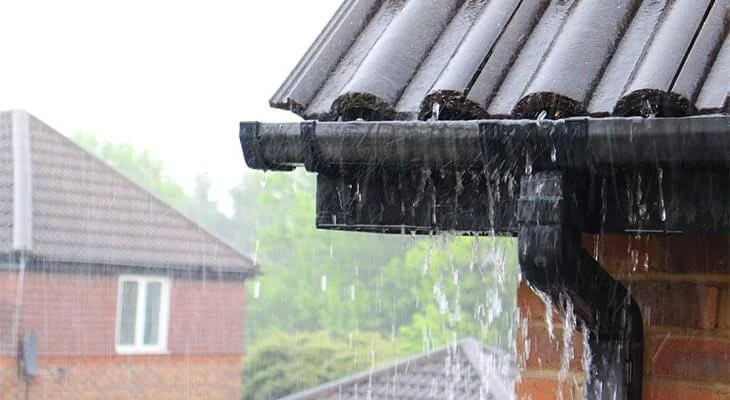
How Proper Gutter Maintenance Protects Your Home From Water Damage
It usually starts with something small. A heavy rain rolls through, and instead of draining quietly off the roof, water starts spilling over the edge of the gutter in a steady sheet. A few days later, you notice a soggy…

Professional Handyman Services in Nassau County for Reliable Home Repairs
Finding a dependable professional for home repairs can be difficult. Small issues like leaking faucets, damaged doors, broken fixtures, or wall damage can quickly become frustrating if left untreated. That is why choosing reliable Handyman Services is important for maintaining…

Real Estate Brokerage and Property Care: A Practical Guide for Homeowners
Selling a home is rarely just about picking a number and putting up a sign. A homeowner in this position is usually juggling several questions at once: Is now a good time to sell? What is the property actually worth?…

The Complete Roofing, Gutter, and Siding Maintenance Guide for Storm-Ready Homes
It usually starts the same way. A homeowner walks outside the morning after a heavy storm, looks up at the roofline, and notices a shingle sitting in the yard that definitely wasn’t there before. Or maybe it’s less dramatic: a…