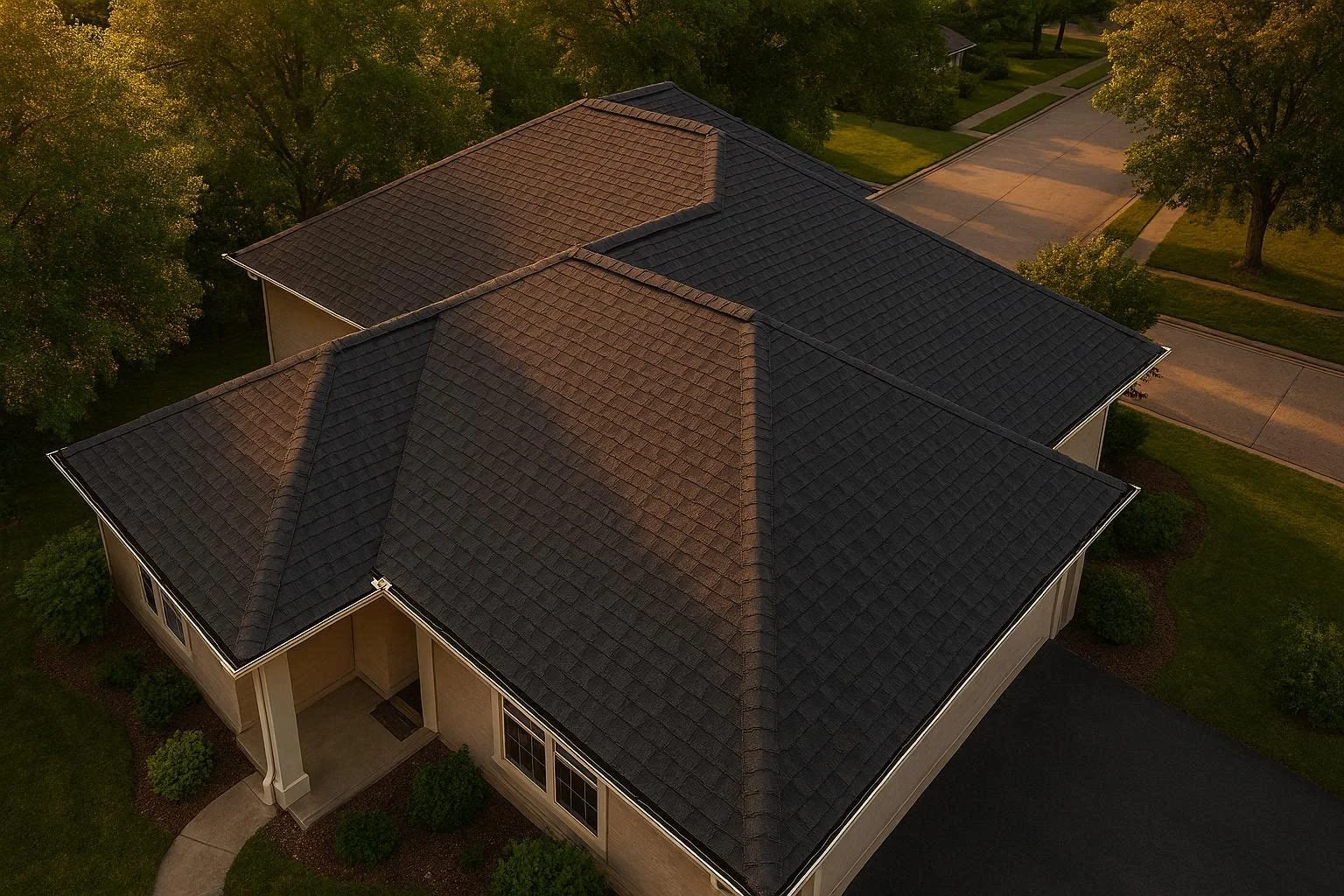
Most homeowners do not think about their roof until something goes wrong. A water stain on the ceiling. A missing shingle after a storm. A repair bill that arrives without warning and hurts without mercy. The irony is that the roof is the single most protective structure on any building, yet it receives the least consistent attention in routine property care.
This ActivePropertyCare APC roofing tips recap is designed to change that. Whether you manage a single family home, a rental portfolio, or a commercial property, the insights here are drawn from real property care experience, not checklists copy-pasted from a generic maintenance handbook.
At ActivePropertyCare, the approach has always been proactive rather than reactive. Roofing is not just a structural concern. It is a financial one. It affects energy efficiency, interior air quality, property valuation, and tenant satisfaction. Getting it right is one of the highest return investments a property owner can make.
What Is the ActivePropertyCare APC Roofing Approach?
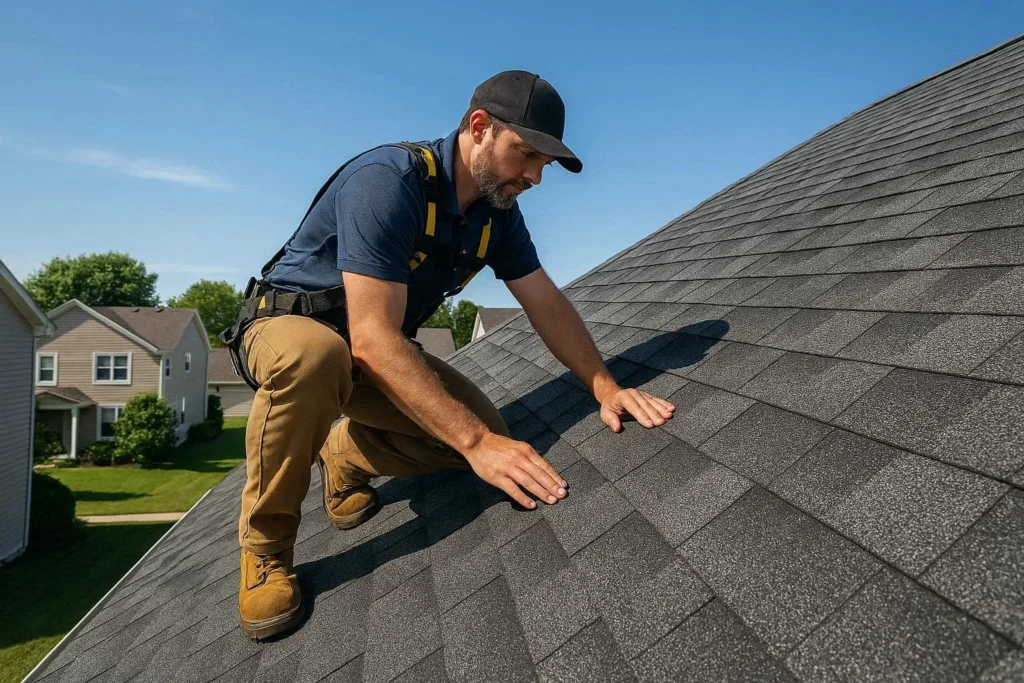
The APC roofing approach is built around a core philosophy: small, consistent maintenance actions prevent large, expensive failures.
Rather than treating roofing as a one-time installation concern, ActivePropertyCare positions it as a continuous process. Inspection, maintenance, weatherproofing, and material selection all work together across the entire lifecycle of a roof. This is not a once-every-decade concern. It is a seasonal, ongoing commitment.
At ActivePropertyCare, the focus is on equipping property owners with practical knowledge so they can make informed decisions, whether they are handling tasks themselves or working with a roofing contractor. Explore the full range of how-to guides on ActivePropertyCare to see how this philosophy extends across all areas of property maintenance.
Why Roofing Maintenance Is Critical for Property Value
A deteriorating roof does not just mean leaks. It means depreciated asset value, increased insurance premiums, potential disputes with tenants, and costly emergency repairs that could have been avoided entirely.
Our analysis of property maintenance trends shows that roofing issues are among the top three causes of rapid property value decline. When a prospective buyer or tenant walks through a property, visible signs of roof neglect, such as sagging gutters, cracked flashing, or dark staining on ceilings, signal a poorly maintained building overall. First impressions in real estate are rarely about aesthetics alone. They are about perceived risk.
Beyond valuation, a well-maintained roof contributes to:
- Lower heating and cooling bills through better insulation and ventilation
- Reduced moisture infiltration that causes mould and structural rot
- Extended lifespan of interior finishes and electrical systems
- Fewer insurance claims and stronger coverage terms over time
From a property care perspective, the roof is not a single component. It is a system. Gutters, flashing, underlayment, shingles or tiles, ridge vents, and soffits all work together. Weakness in one area creates stress across others.
ActivePropertyCare Roofing Tips Recap: The Core Guidance
This is the central section of the recap, covering the most practical and actionable advice gathered from years of property inspections and maintenance consultations.
1. Schedule Roof Inspections Twice a Year (At Minimum)
In many property inspections, one of the most common issues noticed is that the roof has not been looked at in years. Property owners tend to assume that if nothing is leaking, nothing is wrong. That assumption is expensive.
Twice-yearly inspections, typically in late spring and early autumn, allow you to catch:
- Lifted or cracked shingles before they become entry points for water
- Blocked or damaged gutters that push water toward the fascia
- Flashing that has separated around chimneys, skylights, or vents
- Early signs of moss or algae growth that traps moisture and accelerates deterioration
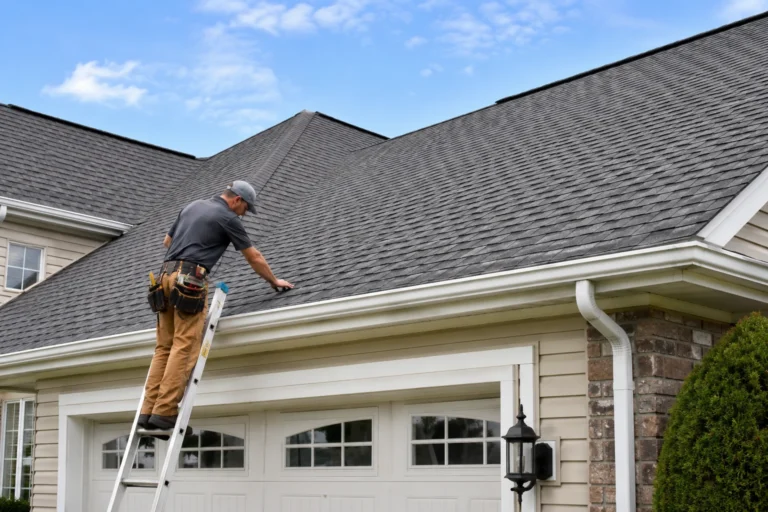
A basic inspection does not always require a professional. Property owners comfortable with ladder use can conduct a visual inspection from the roofline. However, anything involving walking on the surface, especially on pitched or older roofs, should be left to a qualified roofer.
2. Treat Gutters as Part of Your Roof System
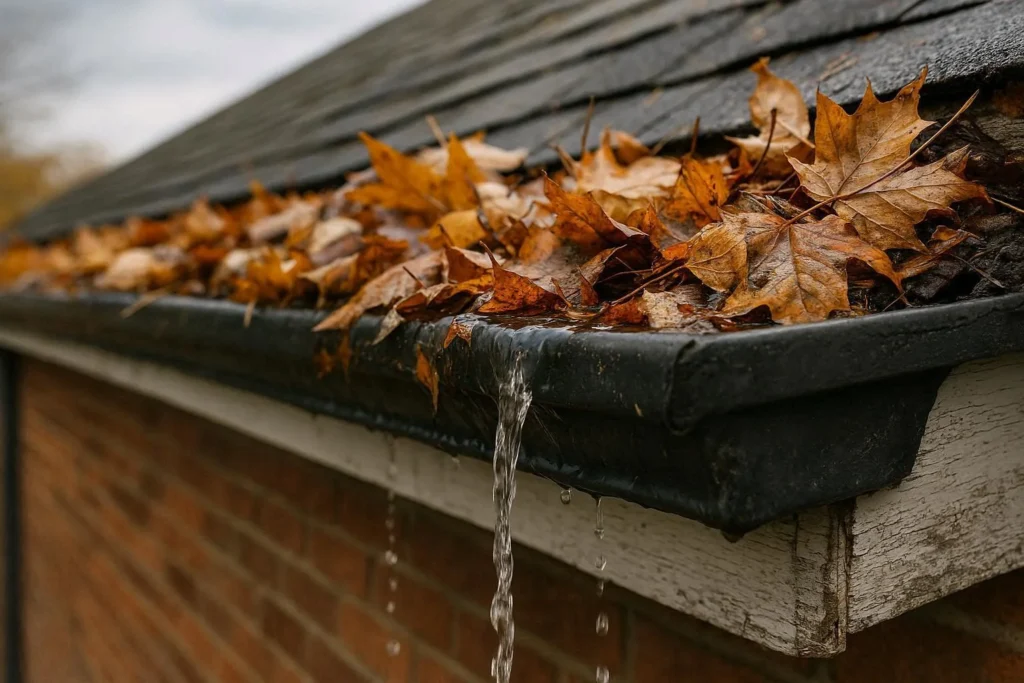
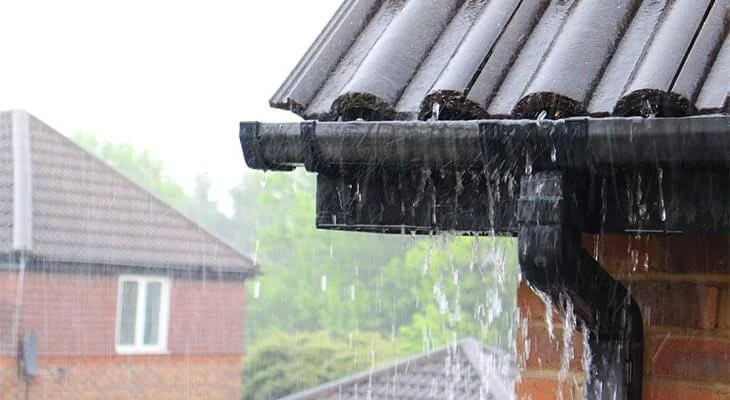
Gutters are the most neglected part of most roofing systems. They are also one of the most consequential. When gutters become blocked with leaves and debris, water pools and overflows. Over time, that water works its way under the roof edge, saturating the fascia and soffit boards and creating ideal conditions for rot.
The fix is straightforward:
- Clear gutters twice a year, or more frequently if your property is surrounded by deciduous trees
- Check downpipe outlets and ensure water is being diverted at least 1.5 metres away from the foundation
- Inspect gutter brackets for sagging or separation
- Consider leaf guard systems if manual clearing is not practical
3. Prioritise Flashing Integrity
Flashing is the metal material, typically galvanised steel or aluminium, used to seal joints and transitions on a roof. It sits around chimney bases, along wall junctions, at valley intersections, and around any penetrations like pipes or skylights.
Flashing failures are responsible for a disproportionate number of roof leaks. In many cases, the shingles are perfectly intact, but water is entering through a lifted or corroded flashing joint.
During any inspection, look for:
- Rust staining running down from flashing edges
- Gaps between the flashing and the adjacent surface
- Sealant that has cracked, dried out, or pulled away
- Areas where flashing has been lifted by wind or thermal movement
Flashing repairs are usually manageable in cost when caught early. When left, the resulting water damage to the structure can cost many times more to remediate.
4. Choose Materials Based on Your Climate, Not Just Your Budget
Roofing material selection is a long-term decision that many property owners rush. The cheapest option at installation frequently becomes the most expensive option over the life of the roof.
Here is a simplified comparison based on common property types:
Asphalt shingles are the most affordable and widely used. They work well in moderate climates but can degrade faster in areas with extreme temperature cycling or heavy UV exposure.
Metal roofing has a higher upfront cost but exceptional longevity, often 40 to 70 years with minimal maintenance. It also performs well in high wind and heavy rainfall conditions.
Concrete or clay tiles offer excellent durability and thermal performance but add significant structural load. They are best suited to properties designed for that weight.
Flat roof membranes (EPDM, TPO, modified bitumen) are common on commercial properties and some residential extensions. They require more frequent inspection for membrane integrity and drainage performance.
At ActivePropertyCare, we recommend property owners consult a qualified roofer for material decisions, particularly on replacements. The upfront investment in the right material pays compounding returns over time. Learn more about building decisions that create long-term property value at ActivePropertyCare.
5. Know When to DIY and When to Hire a Professional
Not all roofing tasks require a professional, but some absolutely do. Getting this distinction wrong can be dangerous and costly.
Appropriate for experienced DIY:
- Replacing a small number of individual shingles on a low-pitch roof
- Clearing gutters and downpipes
- Applying roof sealant around minor flashing gaps
- Conducting visual inspections from a ladder or drone
Always hire a professional:
- Full or partial roof replacement
- Structural repairs to the roof deck or rafters
- Any work involving scaffolding on a steep pitch
- Flashing installation around chimneys or skylights
- Warranty-relevant work on newer roofs
The risk with DIY on complex roofing jobs is not just personal safety. Improperly completed repairs can void material warranties, create new leak paths, and leave you in a worse position than before.
Common Roofing Mistakes Property Owners Make
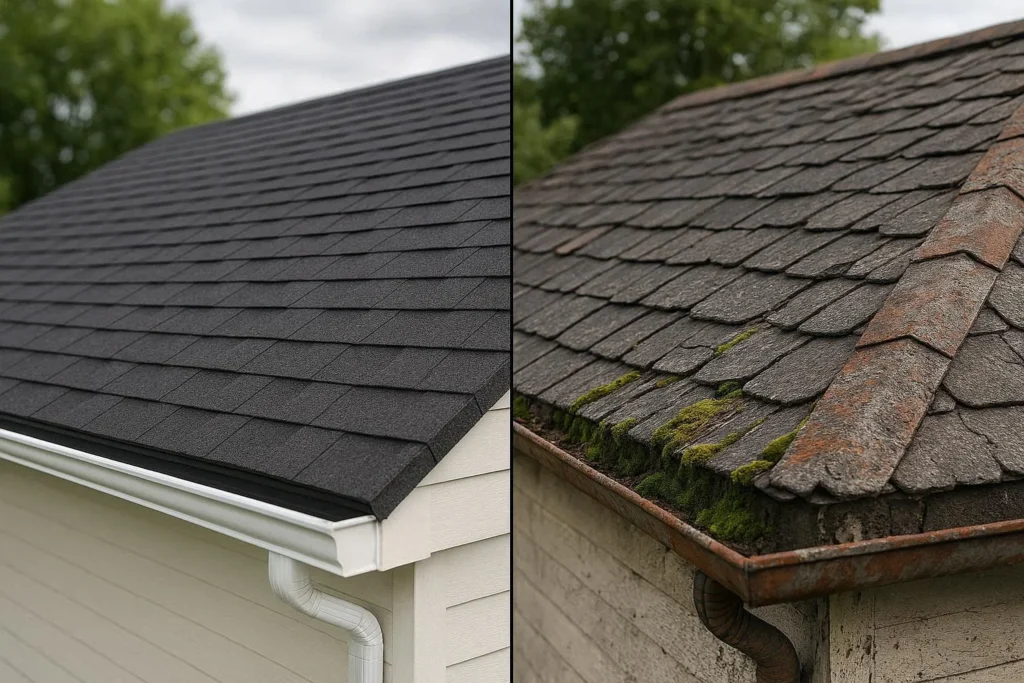
Across years of property inspections, several mistakes surface repeatedly:
- Ignoring small leaks. A small water stain on the ceiling is rarely a small problem at roof level. By the time moisture appears inside, it has usually been travelling through the structure for some time.
- Painting over problems. Sealing interior staining without addressing the roof source is one of the most common and costly mistakes in property management.
- Using the wrong sealant. Not all roof sealants are compatible with all materials. Using an incompatible product can actually accelerate deterioration.
- Skipping post-storm inspections. Wind damage often involves lifted shingles or displaced flashings that are not immediately obvious from the ground. A prompt inspection after significant weather events can prevent secondary water damage.
- Delaying repairs due to cost. A repair that costs a few hundred dollars now typically multiplies if deferred by a season or two.
Seasonal Roofing Care Checklist
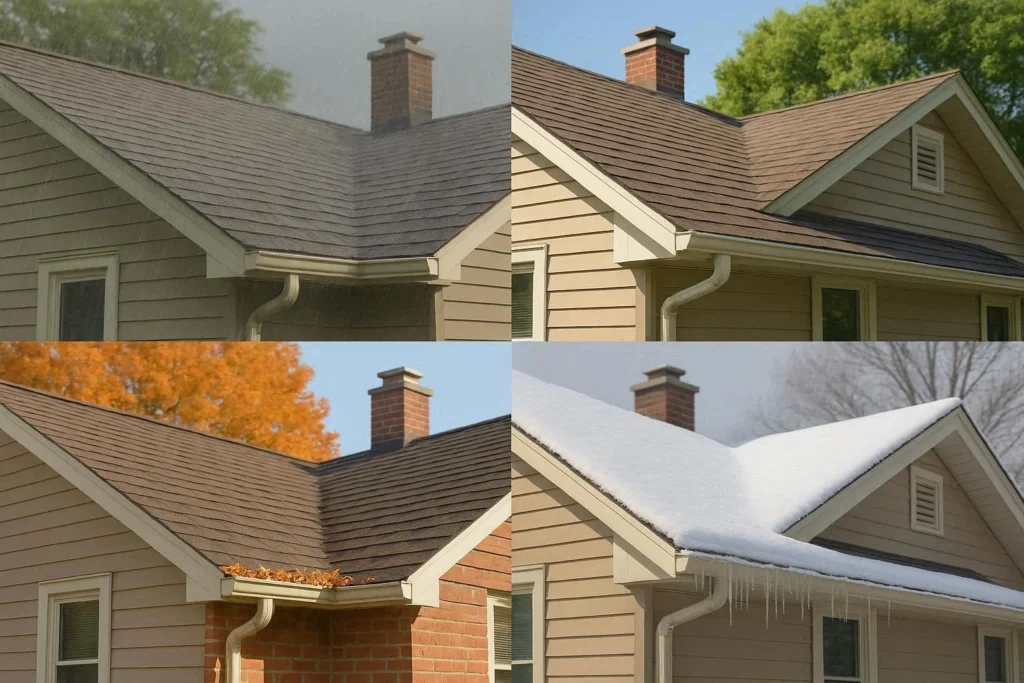
Spring:
- Inspect for winter frost damage and lifted shingles
- Clear gutters of winter debris
- Check flashing around all penetrations
- Look for moss or algae growth
Summer:
- Inspect ventilation and soffits for pest ingress
- Check flat roof membranes for blistering or cracking from UV exposure
- Trim overhanging branches that could contact the roof surface
Autumn:
- Clear gutters before leaf fall peaks
- Confirm downpipes are draining freely
- Check roof deck from inside the loft for any signs of moisture
Winter:
- Monitor for ice dam formation in colder regions
- After heavy snow, check for unusual sagging
- Ensure loft insulation is adequate to prevent heat loss through the roof structure
Long-Term Roofing Strategy for Property Owners
A reactive approach to roofing is one of the most expensive strategies a property owner can take. The most effective long-term approach is to treat the roof as a scheduled asset with a defined maintenance and replacement cycle.
This means:
- Keeping records of all inspections, repairs, and material changes
- Knowing the approximate age and expected lifespan of your current roofing material
- Budgeting for replacement on a rolling horizon rather than scrambling when failure occurs
- Building a relationship with a trusted local roofing contractor who knows your property
At ActivePropertyCare, we believe that a well-managed roof is not just about avoiding leaks. It is about protecting everything inside and underneath, both structurally and financially.
Connect with the ActivePropertyCare team to discuss your property’s specific needs.
Frequently Asked Questions
The APC roofing approach focuses on proactive, consistent maintenance rather than reactive emergency repairs. It combines regular inspection, preventative care, and informed material selection to protect the long-term integrity and value of a property.
Twice a year is the general recommendation, typically in spring and autumn. Additional inspections are advisable after significant weather events such as high winds, hailstorms, or heavy snowfall.
The most frequently encountered issues are blocked or damaged gutters, failed or lifted flashing, cracked or missing shingles, moss and algae growth, and inadequate attic ventilation leading to moisture build-up.
Yes, consistently. Most major roofing failures, including structural water damage, rot, and full membrane failure, begin as small, detectable issues. Catching and addressing them early is significantly less costly than dealing with the downstream consequences.
A professional inspection is recommended at least every two to three years, or when purchasing a property, planning a renovation, or following any significant weather event. Professionals can identify issues that are not visible to the untrained eye, particularly around flashings, the roof deck, and ventilation systems.
Conclusion
Roofing is one of those property responsibilities that rewards attention and punishes neglect with striking consistency. The ActivePropertyCare APC roofing tips recap covered here is not meant to be exhaustive. It is meant to be practical, honest, and genuinely useful to anyone responsible for maintaining a property.
The core message is straightforward: inspect regularly, address issues early, choose materials wisely, and know your limits when it comes to DIY versus professional work.
A well-maintained roof protects more than your property. It protects your investment, your tenants or family, and your financial stability as a property owner.
Explore more expert property care guides and resources at ActivePropertyCare to continue building a smarter, more resilient approach to long-term property management.