
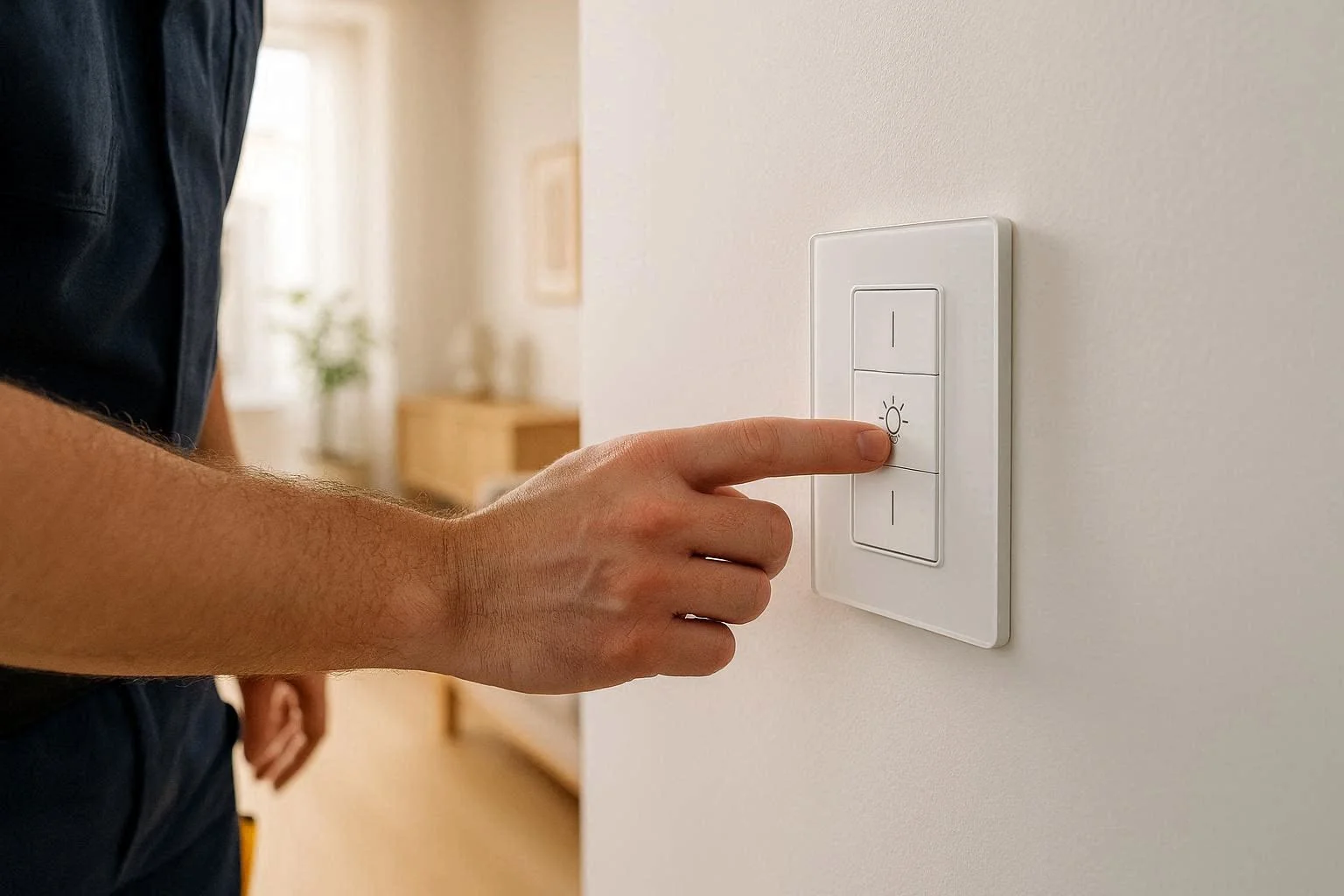
It usually starts small. A light flickers when the microwave runs. A breaker trips every time the hair dryer and the coffee maker are on at the same time. The electric bill creeps up a little more each month, and nobody can quite explain why. For many homeowners, these little annoyances are the first sign that a home’s electrical system needs attention. At InfoActivePropertyCare, we’ve found that addressing them early almost always saves money and stress later on.
Electrical systems don’t get the same attention as a new kitchen or a fresh coat of paint, but they’re arguably more important. A home can look beautiful and still carry hidden risks behind the walls. As the demand for smart home features grows, even established firms like Witherell Design and Consult have noted a shift toward integrating electrical planning earlier in renovation projects, rather than treating it as an afterthought. That shift reflects a broader trend across the home improvement industry: electrical work is no longer just about keeping the lights on. It’s about safety, efficiency, and long-term property value.
This guide walks through what every homeowner should know about electrical safety, common warning signs, smart upgrades worth considering, and practical maintenance habits that protect both your home and your wallet. If you’re working through a broader renovation, it pairs well with our smart home improvement ideas for room-by-room upgrade planning.
Why Electrical Systems Matter for Property Value
From our property care experience, electrical systems quietly influence almost every other part of a home’s performance.
- Safety: Faulty wiring is one of the leading causes of residential fires. A sound electrical system protects people and property.
- Energy efficiency: Outdated systems waste electricity, while modern wiring and fixtures help control monthly costs.
- Home functionality: Enough outlets, proper circuit capacity, and reliable power support everything from home offices to kitchen appliances.
- Long-term maintenance: Catching small issues early prevents expensive emergency repairs and prolongs the life of the system.
Buyers and inspectors notice electrical condition quickly. A home with an updated panel, grounded circuits, and no visible wiring issues tends to appraise and sell with far fewer complications than one with a patchwork system. It’s one of several factors covered in our property maintenance checklist, which homeowners can use to track condition over time.
Common Electrical Problems Homeowners Face
Homeowners often discover these issues only after they’ve been living with them for years:
- Outdated wiring: Knob-and-tube or aluminum wiring in older homes wasn’t built for today’s electrical load.
- Overloaded circuits: Too many devices on one circuit leads to repeated tripping and overheating risk.
- Flickering lights: Often a sign of loose connections, voltage fluctuations, or an aging panel.
- Frequent breaker trips: Usually points to overloaded circuits or a failing breaker.
- Insufficient outlets: Leads to reliance on extension cords and power strips, which carries its own risks.
None of these are necessarily emergencies on their own, but together they’re a pattern worth taking seriously.
Smart Electrical Upgrades for Modern Homes
Smart home integration has become one of the most requested upgrades in residential electrical work. Based on industry best practices, these are the upgrades homeowners tend to find most worthwhile:
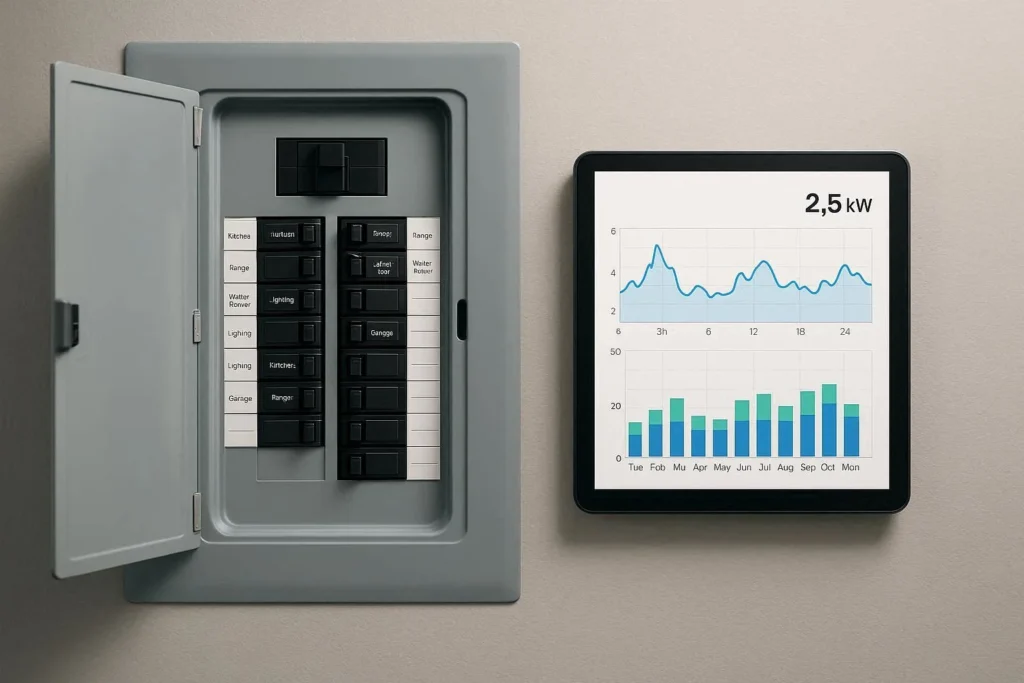
- Smart lighting: Programmable, dimmable, and remotely controlled lighting that reduces waste and adds convenience.
- EV charging stations: A dedicated circuit and charger sized correctly for the vehicle and panel capacity.
- Energy monitoring systems: Real-time visibility into which appliances or circuits use the most electricity.
- Smart thermostats: Paired with proper wiring, these can meaningfully reduce heating and cooling costs.
- Home automation hubs: Centralized control for lighting, security, and climate systems.
| Upgrade | Typical Benefit | Consideration |
|---|---|---|
| Smart lighting | Lower energy use, convenience | Requires compatible fixtures or smart switches |
| EV charger | Faster, safer charging at home | Needs dedicated circuit and panel capacity check |
| Energy monitor | Cost visibility, waste reduction | Best paired with a panel upgrade for accuracy |
| Smart thermostat | Reduced HVAC costs | Works best with updated wiring |
Electrical Safety Tips Every Homeowner Should Follow
Good electrical safety isn’t complicated. It’s mostly about consistency.
- Schedule regular inspections. A licensed electrician can spot wear and load issues before they become hazards. A licensed electrical contractor familiar with residential systems is a good resource if you don’t already have one.
- Use surge protection. Whole-home surge protectors guard sensitive electronics from voltage spikes.
- Maintain smoke detectors. Test monthly and replace batteries at least once a year.
- Avoid permanent extension cord use. Cords are a temporary solution, not a substitute for additional outlets.
These habits cost little but prevent most of the avoidable electrical incidents we’ve seen in residential properties.
Energy Efficiency and Cost Savings
Electrical efficiency upgrades tend to pay for themselves over time:
- LED lighting uses a fraction of the electricity of incandescent bulbs and lasts considerably longer.
- Energy-efficient appliances reduce both electricity draw and strain on existing circuits.
- Reducing standby waste: unplugging unused electronics or using smart plugs adds up over a year.
- Lower monthly bills are the cumulative result of these smaller changes, not any single fix.
It’s worth noting these savings are gradual, not dramatic. Anyone promising an immediate, drastic cut in energy costs from a single upgrade should be approached with some skepticism. For a fuller picture of where else efficiency gains add up, our energy-efficient home upgrade guide covers improvements beyond the electrical system.
Signs It May Be Time for an Electrical Upgrade
Consider scheduling an evaluation if you notice:
- Discolored or warm outlets and switches
- A persistent burning smell with no obvious source
- Breakers that trip regularly without an obvious overload
- A panel rated below 100 amps in a home with modern appliances
- Buzzing sounds from outlets, switches, or the panel itself
Common Electrical Mistakes to Avoid
- DIY panel work without proper licensing or permits
- Ignoring small issues because “it’s always done that”
- Overloading power strips instead of adding circuits
- Skipping inspections after buying an older home
- Assuming all electrical contractors offer the same level of expertise
Long-Term Maintenance Tips for Homeowners
- Keep a simple log of inspections, repairs, and upgrades
- Re-evaluate panel capacity before any major appliance addition
- Test GFCI outlets in kitchens, bathrooms, and outdoor areas periodically
- Budget for a professional inspection every few years, even without obvious problems
Frequently Asked Questions
Most homes benefit from a professional inspection every 3–5 years, or sooner if the home is older or showing warning signs like frequent breaker trips.
Flickering lights, warm outlet covers, a persistent burning smell, and a fuse box instead of a modern breaker panel are common indicators.
Panel upgrades, updated wiring, and the addition of GFCI outlets tend to offer the strongest return, since they address both safety and functionality.
For many households, yes, particularly smart lighting and energy monitoring, which offer measurable convenience and cost benefits. The value depends on how the home is used day to day.
Regular inspections, surge protection, working smoke detectors, and avoiding overloaded circuits cover most of the risk.
Final Thoughts
Electrical systems rarely get attention until something goes wrong, but a little proactive care goes a long way. Inspections, smart upgrades, and consistent maintenance protect both the people living in a home and the value of the property itself. None of these steps require dramatic spending, just attention and the right professional support when it’s needed.
For homeowners ready to take the next step, working with a qualified, licensed electrician is the safest way to address upgrades or persistent issues.
Explore more home improvement and property care guides on InfoActivePropertyCare.