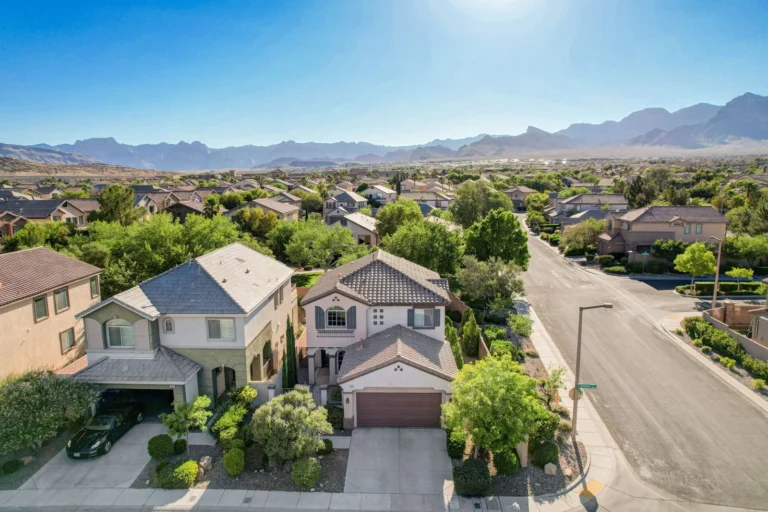

Sarah had lived in her three-bedroom colonial for eighteen years before she decided it was time to sell. Walking through the house with a checklist in hand, she noticed things she had stopped seeing years ago: a gutter pulling away from the fascia, a patch of driveway sealant worn thin, a hallway light fixture that had been “temporary” since 2014. None of these things bothered her daily life. But she wondered, as many homeowners do, whether they would bother a prospective buyer walking through for the first time.
That question sits at the center of nearly every home sale. Buyers form impressions quickly, often within the first few minutes of a viewing, and a property that shows signs of consistent care tends to feel more trustworthy than one that doesn’t. This article walks through how property maintenance and thoughtful, practical improvements can support a home’s market appeal, what actually influences valuation, and how to prepare a property for sale without overspending or overhauling everything at once.
It’s worth noting upfront that maintenance and presentation are only part of the picture. Location, market conditions, and comparable sales all play a significant role, and working with an experienced local agent, such as ERA Kuhlmann, or another qualified real estate professional in your area, can help you understand how these factors interact in your specific market.
Why Property Maintenance Matters Before Selling
First impressions happen fast, and they’re hard to undo. A buyer who notices peeling paint or a musty basement smell within the first thirty seconds of a viewing tends to carry that impression through the rest of the walkthrough, scrutinizing everything else more closely as a result. Conversely, a home that feels cared for tends to earn a bit of goodwill from the outset.
In many property improvement projects we’ve observed, the homes that generate the strongest buyer interest aren’t necessarily the most expensively renovated ones. They’re the ones where deferred maintenance has been addressed and the property simply looks like someone has been paying attention to it. A dripping faucet, a sticking door, or a cracked windowsill might seem minor individually, but collectively they raise a question in a buyer’s mind: what else hasn’t been maintained?
There’s also a practical, financial dimension. Deferred maintenance often surfaces during a home inspection, and unresolved issues can become negotiating points that slow down or complicate a sale. Addressing them proactively, before a property is listed, tends to make the process smoother for everyone involved.
Key reasons maintenance matters before selling:
- It shapes buyer confidence during the walkthrough and in later inspection reports.
- It reduces the likelihood of last-minute negotiation over repairs.
- It signals long-term ownership pride, which buyers often read as a proxy for how well the home’s systems have been cared for.
- It allows sellers to control the narrative around the property’s condition, rather than reacting to what an inspector finds.
Factors That Influence Home Valuation
Homeowners sometimes assume that a fresh coat of paint or a tidy lawn will substantially change a property’s assessed or market value. In reality, valuation is a multi-factor process, and maintenance is one input among several. Professional appraisals and comparative market analyses typically weigh the following:
| Factor | What It Involves | Homeowner Influence |
|---|---|---|
| Location | Neighborhood, school zones, proximity to amenities | Minimal to none |
| Property condition | Structural integrity, systems, cosmetic upkeep | High |
| Upgrades and renovations | Kitchens, bathrooms, additions | Moderate to high |
| Energy efficiency | Insulation, windows, HVAC efficiency | Moderate |
| Maintenance history | Documented repairs, inspections, servicing | High |
| Curb appeal | Landscaping, exterior condition, first impression | High |
| Market conditions | Supply, demand, interest rates | None |
It’s important to be clear here: consistent maintenance and sensible improvements can support a property’s marketability and help it compete favorably against similar listings, but they don’t operate independently of the broader market. A well-maintained home in a declining market will still be affected by that market. This is one of the reasons it’s worth consulting a licensed appraiser or an experienced local agent rather than relying solely on online valuation estimators, which often can’t account for the nuances of a specific property’s condition.
For a deeper breakdown of what to check room by room, our complete property maintenance checklist walks through a full-property inspection process homeowners can do themselves before bringing in a professional.
Property Improvements Worth Considering
Not every improvement needs to be a major renovation. From our experience helping homeowners prepare properties for listing, the improvements that tend to offer the best combination of cost and visual impact are usually the simpler ones.
Interior painting. Neutral, well-applied paint is one of the most cost-effective ways to freshen a space and make rooms feel larger and more move-in ready. Bold or highly personalized colors can be distracting to buyers trying to picture their own belongings in the space.
Roofing maintenance. A roof in visibly good condition reassures buyers that a major system has been cared for. This doesn’t always mean a full replacement; sometimes it’s a matter of replacing a handful of damaged shingles, clearing debris, and confirming there are no active leaks. Our roofing maintenance guide covers the warning signs worth addressing before a sale.
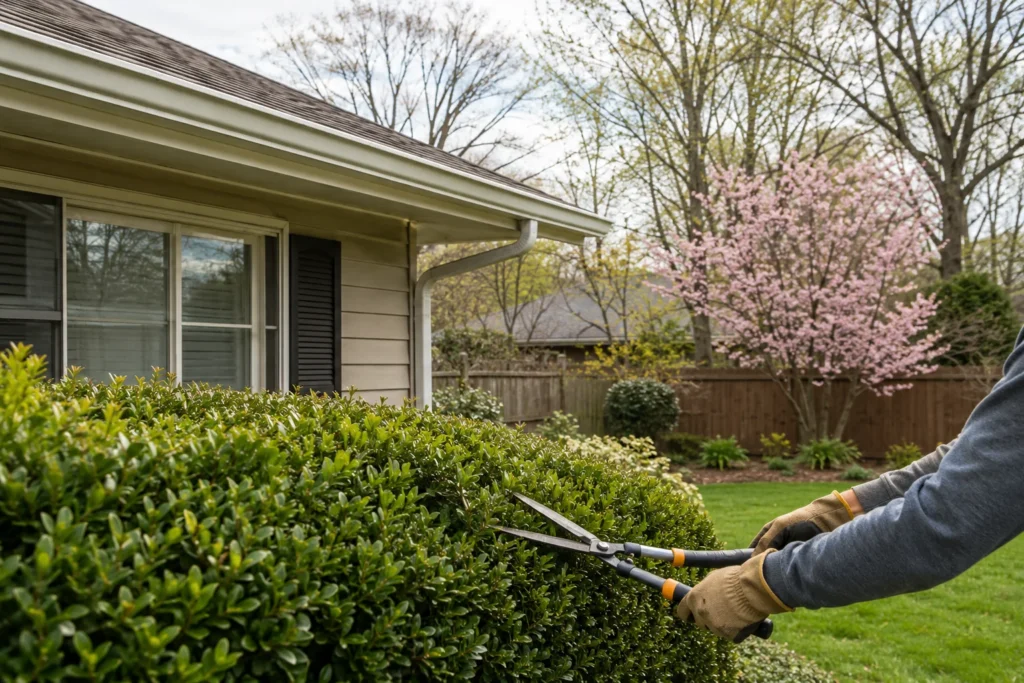
Landscaping. Trimmed hedges, fresh mulch, and a well-edged lawn go a long way toward curb appeal without requiring a landscape redesign. For ideas that don’t require a full overhaul, see our landscaping ideas for curb appeal.
Lighting upgrades. Updated fixtures and higher-efficiency bulbs can make interiors feel brighter and more modern, particularly in kitchens, entryways, and bathrooms.
Flooring improvements. Refinishing existing hardwood or replacing worn carpet in high-traffic areas often has a noticeable effect on how “finished” a home feels, at a fraction of the cost of a full flooring replacement.
Kitchen and bathroom refreshes. Full remodels aren’t always necessary. Updated hardware, a new faucet, regrouted tile, and fresh caulking can meaningfully improve the perceived condition of these rooms.
Energy-efficient enhancements. Sealing drafts, adding attic insulation, or upgrading to a programmable thermostat are relatively low-cost changes that can appeal to buyers thinking about long-term utility costs. For more ideas, see our guide on energy-efficient home improvements.
Expert Insight: Following established property maintenance best practices, prioritizing function over aesthetics tends to serve homeowners well. A furnace that’s been recently serviced offers more genuine value than a decorative upgrade, even if it’s less visually obvious to a buyer walking through.
Preparing a Property for Viewings
Beyond structural and cosmetic improvements, how a home is presented during a showing matters. Our property maintenance observations suggest that homes prepared with a clear, methodical approach tend to show better and generate more confident buyer feedback.
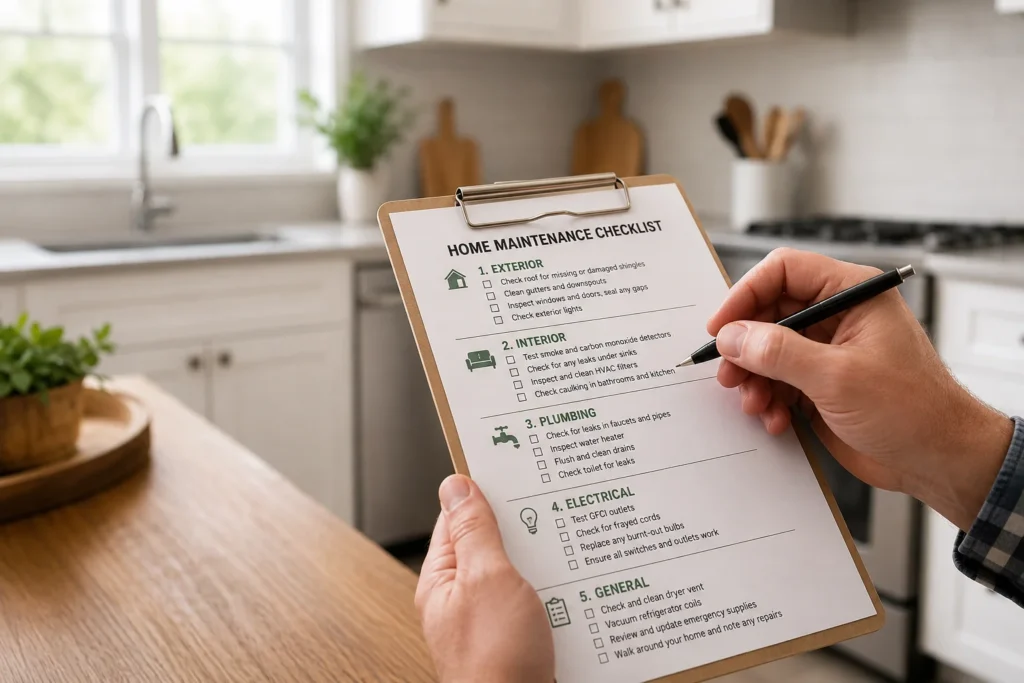
A practical pre-viewing checklist:
- Declutter every room, including closets and storage areas buyers are likely to open.
- Deep clean carpets, windows, and often-overlooked areas like baseboards and light switches.
- Depersonalize spaces by removing excess personal photos and highly specific decor.
- Address minor repairs: loose door handles, squeaky hinges, chipped paint, cracked outlet covers.
- Clear gutters and downspouts, and confirm exterior drainage is functioning properly.
- Power-wash siding, walkways, and the driveway if weather-worn.
- Ensure all light fixtures work and use consistent, warm-toned bulbs throughout.
- Mow, edge, and mulch the lawn and garden beds shortly before each showing.
None of these steps require significant investment, but together they create a cohesive impression of a property that’s been consistently cared for rather than hurriedly prepared.
Home Exchanges and Relocation Planning
Selling one property while planning a move into another adds logistical complexity, and maintenance planning becomes part of a larger timeline. Homeowners going through a relocation often benefit from organizing maintenance records early, since documentation of servicing, repairs, and inspections can support conversations with buyers, agents, and inspectors alike.
Some practical steps for coordinating a property exchange or relocation:
- Gather receipts, warranties, and service records for major systems (HVAC, roofing, plumbing, electrical).
- Schedule any necessary repairs well ahead of listing to avoid rushed, lower-quality work.
- Build a realistic timeline that accounts for both the sale of the current home and the purchase or move into the next one.
- Set aside a maintenance and improvement budget separate from moving costs, since the two can easily blend together and lead to overspending.
If you’re in the midst of coordinating a move, our stress-free moving guide offers a broader look at sequencing a sale and relocation together.
Common Mistakes Homeowners Make Before Selling
Even well-intentioned sellers sometimes make choices that work against them. Some of the more common missteps include:
- Ignoring small repairs. Individually minor issues add up in a buyer’s mind and can suggest a pattern of neglect.
- Poor landscaping. An overgrown or bare yard undercuts curb appeal regardless of how well the interior has been prepared.
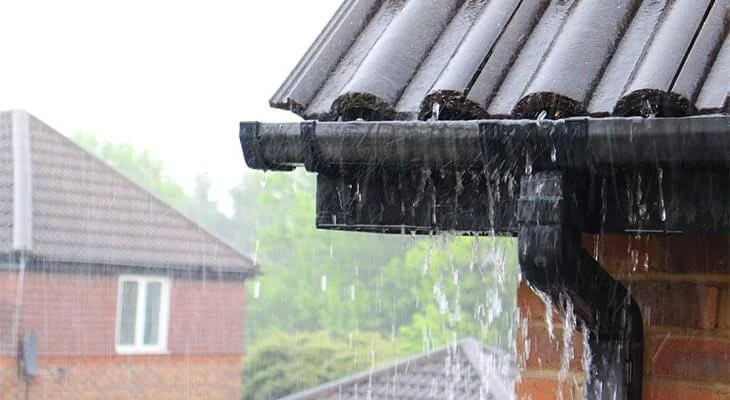
- Neglected gutters. Beyond the cosmetic issue, clogged or damaged gutters can suggest water management problems that concern buyers and inspectors alike.
- Outdated lighting. Dim, yellowed, or broken fixtures make spaces feel dated even when the underlying finishes are fine.
- Over-personalized decor. Bold themed rooms or highly specific design choices can make it harder for buyers to picture the space as their own.
- Unrealistic renovation expectations. Assuming that every dollar spent on a renovation will be reflected directly in the sale price often leads to disappointment; improvements support marketability and buyer interest, but they aren’t a guaranteed dollar-for-dollar return.
Seasonal Maintenance That Supports Property Presentation
Property care isn’t a one-time event before listing; it’s an ongoing rhythm that, when maintained consistently, makes pre-sale preparation far less overwhelming.
Spring
- Inspect the roof and gutters after winter weather.
- Check for foundation cracks or settling revealed by freeze-thaw cycles.
- Service HVAC systems before peak cooling season.
- Refresh mulch and prune winter-damaged landscaping.
Summer
- Inspect and reseal exterior wood surfaces (decks, fences).
- Check irrigation systems and lawn health.
- Clean windows and exterior siding.
- Address any pest activity before it becomes established.
Autumn
- Clear gutters and downspouts of leaves before winter.
- Inspect weatherstripping and caulking around windows and doors.
- Service the heating system ahead of colder months.
- Trim trees and shrubs away from the roofline and siding.
Winter
- Monitor for ice dams and roof snow load.
- Check for drafts around doors and windows.
- Inspect pipes in unheated areas for freeze risk.
- Keep walkways clear and address any slip hazards.
Long-Term Property Care for Lasting Value
Preparing a property for a single sale is one thing; maintaining it well throughout ownership is what actually preserves its condition over time. At InfoActivePropertyCare, we’ve found that homeowners who treat maintenance as an ongoing part of property lifecycle management, rather than a pre-sale scramble, tend to face fewer surprises when the time comes to sell.
Some habits worth building into a long-term maintenance routine:
- Schedule periodic professional inspections, even when nothing seems obviously wrong.
- Track moisture management around the building envelope, including grading, drainage, and ventilation, since water intrusion is one of the most damaging and expensive issues to catch late.
- Service HVAC systems on a regular schedule rather than waiting for a breakdown.
- Keep a running log of repairs, replacements, and servicing dates for future reference.
- Reassess landscaping and exterior maintenance needs seasonally rather than reactively.
This kind of preventive approach tends to reduce both the cost and stress of large-scale repairs later, and it keeps a property in a more consistently sellable condition, whenever that time comes.
Frequently Asked Questions
Focus on addressing deferred repairs first (roofing, plumbing, electrical issues), followed by cosmetic refreshes like painting and decluttering. A pre-listing inspection can help identify priorities specific to your property.
Yes, curb appeal is often a buyer’s first impression and can influence how they perceive the rest of the property before they even walk through the door. Well-maintained landscaping and a clean exterior tend to generate more positive initial reactions.
Structural and safety-related issues (roofing, foundation, electrical, plumbing) generally take priority over purely cosmetic updates, since they’re more likely to surface during a buyer’s inspection and can affect negotiations.
Many homeowners benefit from a professional inspection every few years, or before major life events like selling, in addition to routine seasonal self-checks of key systems like the roof, HVAC, and plumbing.
Lower-cost, high-visibility improvements like painting, lighting updates, decluttering, and landscaping tend to offer the most practical value relative to their cost, compared to large-scale renovations.
Final Thoughts
Preparing a property for sale doesn’t require an all-or-nothing renovation. Consistent maintenance, a handful of well-chosen improvements, and realistic planning around timelines and budgets tend to make the biggest difference in how a home is perceived by buyers. Valuation itself depends on far more than presentation, including location and broader market conditions, so it’s worth pairing your own preparation efforts with guidance from a qualified real estate professional or licensed inspector who understands your local market.
Explore more expert property maintenance, home improvement, and homeowner guides on InfoActivePropertyCare to keep your property in excellent condition throughout every stage of ownership.