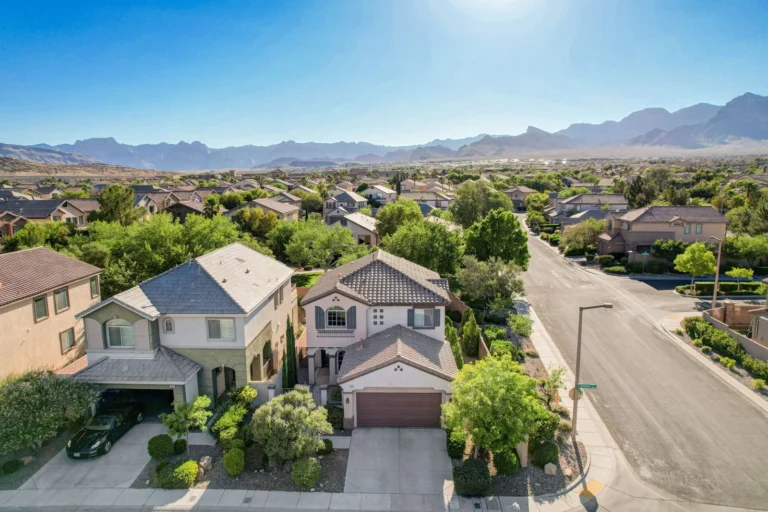

Selling a home is rarely just about picking a number and putting up a sign. A homeowner in this position is usually juggling several questions at once: Is now a good time to sell? What is the property actually worth? Should the kitchen get a refresh, or is that money better spent elsewhere? And which real estate agent will actually get the job done?
These questions come up constantly, and they rarely have a single right answer. Market conditions shift by neighborhood, buyer expectations change season to season, and the condition of a property can swing a sale timeline by weeks or months. It’s a mix of research, timing, and preparation. Interestingly, this is also the space where Chris Brand, whose work touches on property and brand strategy, has explored how presentation and positioning shape the way a property or product is perceived in the market.
This guide walks through how real estate brokerage works, what actually drives property value, and how ongoing maintenance and smart improvements support a stronger sale, whether that sale is happening this year or five years from now.
What Does a Real Estate Brokerage Do?
A real estate brokerage is the licensed business entity that agents work under. Individual agents are typically affiliated with a brokerage, which provides oversight, compliance support, marketing infrastructure, and access to shared listing systems like the MLS.
Here’s how the pieces generally fit together:
- Brokerages hold the legal license required to facilitate real estate transactions and are responsible for supervising the agents who work under them.
- Agents are the day-to-day point of contact for buyers and sellers. They handle showings, communication, and much of the transaction logistics.
- Listing and marketing involves photography, online listings, open houses, and syndication to real estate platforms.
- Negotiation covers price discussions, contingencies, repair requests, and counteroffers between buyer and seller.
- Transaction coordination includes paperwork, deadlines, inspection scheduling, and communication with lenders, title companies, and attorneys where applicable.
Some agents specialize in specific property types, price ranges, or neighborhoods, which can matter more than brand-name recognition of the brokerage itself.
Understanding Local Property Markets
Real estate is famously local. National headlines about interest rates or housing trends rarely tell the full story of what’s happening on a specific street or in a specific zip code.
Several factors shape a local market:
- Supply and demand: the number of active listings compared to the number of interested buyers.
- Location: proximity to schools, employment centers, transit, and amenities.
- Property condition: how well a home has been maintained relative to comparable listings.
- Comparable properties (comps): recently sold homes with similar size, condition, and location.
- Buyer preferences: shifting demand for features like home offices, outdoor space, or energy efficiency.
- Economic conditions: mortgage rates, employment trends, and local economic health.
- Neighborhood characteristics: walkability, noise levels, development plans, and overall desirability.
Because these factors vary so much by location and change over time, any pricing or rate figures should be checked against current, verified local data rather than assumed from general trends.
Why Property Condition Matters When Selling
From a property-care perspective, condition is one of the few variables a seller can actually control. Buyers can’t change a home’s location, but sellers can absolutely change how the home presents.
Areas that consistently affect buyer perception include:
- Deferred maintenance: small unresolved issues that suggest a pattern of neglect.
- Roof and gutter condition: visible wear or clogged gutters raise immediate concerns about water damage. A roof maintenance guide can help homeowners catch issues early.
- Landscaping: overgrown or bare yards can undercut curb appeal before a buyer even walks in.
- Exterior appearance: peeling paint, cracked walkways, or a worn front door create a poor first impression.
- Interior paint and flooring: outdated or damaged finishes can make a home feel older than it is.
- Functional systems: HVAC, plumbing, and electrical systems that work reliably reduce buyer hesitation.
- Cleanliness and presentation: a clean, decluttered home is easier for buyers to picture themselves living in.
One issue homeowners often overlook is that maintenance doesn’t guarantee a higher sale price. A well-maintained property doesn’t automatically command a premium. What it does is reduce friction: fewer inspection surprises, fewer renegotiations, and a stronger first impression that can shorten time on market.
Preparing a Property Before Listing
A practical lesson for property owners is that preparation works best when it starts early, not the week before photos are scheduled. A general pre-listing checklist:
Home-Sale Readiness Checklist
Exterior
- Inspect and clean gutters and downspouts
- Check roof for visible damage or aging shingles
- Power-wash siding, walkways, and driveway
- Repair or repaint chipped exterior trim
- Trim trees and shrubs away from the structure
Interior
- Deep clean all rooms, including carpets and grout
- Declutter closets, countertops, and storage areas
- Patch and touch up wall paint
- Replace burnt-out bulbs and outdated fixtures
- Address lingering odors (pets, smoke, damp areas)
Major Systems
- Service HVAC system and replace filters
- Test smoke and carbon monoxide detectors
- Check water heater age and condition
- Confirm all outlets and switches function properly
Landscaping
- Mow, edge, and refresh mulch beds
- Add seasonal plantings near the entrance
- Repair or replace damaged fencing
- Clean outdoor lighting fixtures
Documentation
- Gather maintenance and repair records
- Collect warranty information for major systems
- Note the age of the roof, HVAC, and water heater
- Keep receipts for recent improvements
Buyers and their agents notice organized records. It signals a home that has been cared for rather than one that’s been coasting toward a sale.
Choosing a Real Estate Agent
Homeowners often default to whichever agent they’ve heard of, but a more useful approach is to evaluate specific qualities:
- Local market knowledge: familiarity with the specific neighborhood, not just the broader city.
- Communication style: responsiveness and clarity throughout the process.
- Marketing strategy: how the agent plans to photograph, list, and promote the property.
- Experience with similar properties: comparable price range, size, or property type.
- Pricing approach: whether the agent’s suggested price is backed by solid comps or optimism.
- Negotiation skills: track record of handling offers, counteroffers, and contingencies.
- References and reputation: feedback from past clients, ideally verifiable.
It’s worth interviewing more than one agent before deciding. A short conversation usually reveals a lot about how someone will handle a transaction under pressure. For additional context on what to expect throughout the process, this property tips for buyers and sellers resource covers related ground.
Property Valuation: What Homeowners Should Understand
Valuation terms get used interchangeably, but they mean different things:
- Market value: what a buyer is realistically willing to pay in the current market.
- Listing price: the price a seller and agent choose to advertise, which may be set above, at, or below estimated market value as a strategy.
- Appraised value: a licensed appraiser’s estimate, typically required by a lender during financing.
- Assessed value: the value used by a local tax authority, which may lag behind current market conditions.
These four numbers can differ, sometimes significantly, and none of them guarantee what a home will ultimately sell for. Homeowners should treat valuation as a range shaped by condition, location, timing, and comparable sales, not a fixed figure.
Smart Improvements Before Selling
Not every upgrade pays off, and over-improving a home for its neighborhood rarely makes financial sense. From a property-care standpoint, cost-conscious improvements tend to offer the best return relative to effort:
- Landscaping refreshes: mulch, trimmed hedges, and seasonal color near the entry.
- Exterior repairs: fixing visible damage rather than full replacements.
- Lighting updates: modern fixtures inside and out.
- Energy-efficiency upgrades: weatherstripping, attic insulation, or programmable thermostats.
- Kitchen and bathroom refreshes: updated hardware, fresh caulking, or a new faucet rather than a full remodel.
- Flooring: repairing or refinishing existing floors before considering replacement.
- Neutral paint: a fresh, neutral coat is one of the most consistently useful updates.
No renovation guarantees a specific increase in sale price, and returns vary by market and property type. An appraiser, contractor, or experienced local agent is better positioned to advise on which specific project makes sense for a given home.
Buying a Property: Look Beyond the Listing Photos
Buyers face the opposite challenge: figuring out what a set of polished photos might be hiding. A practical inspection checklist for viewings:
Buyer Property Inspection Checklist
- Roof: check for missing shingles, sagging, or recent patch work
- Gutters: look for rust, separation, or overflow staining on siding
- Drainage: note grading around the foundation and any standing water
- Foundation: look for visible cracks, especially horizontal ones
- Plumbing: check water pressure and look under sinks for staining
- Electrical systems: note panel age and any visible outdated wiring
- HVAC: ask about system age and last service date
- Windows: check for drafts, fogging, or difficulty opening and closing
- Landscaping: look for grading issues or trees too close to the structure
- Signs of moisture: musty odors, water stains, or bubbling paint in basements and crawlspaces
A qualified home inspector, structural engineer, or relevant licensed professional should always be brought in before finalizing a purchase. A walkthrough checklist is a starting point, not a substitute for a formal inspection.
Common Real Estate Mistakes Homeowners Make
- Pricing a home based on emotional attachment rather than market data
- Ignoring deferred maintenance until it becomes a bigger, costlier issue
- Over-renovating a home beyond what the neighborhood supports
- Choosing an agent based solely on the lowest commission
- Skipping research into recent comparable sales
- Dismissing or arguing with inspection findings instead of addressing them
- Underestimating the ongoing cost of maintaining a property after purchase
Maintenance vs. Renovation: Knowing the Difference
| Situation | Recommended Action | Why |
|---|---|---|
| Roof is 8 years old with minor wear | Maintain | Routine inspection and minor repair extend lifespan |
| Roof is 20+ years old with visible damage | Renovate/Replace | Age and condition create buyer concern and inspection risk |
| Kitchen cabinets are dated but functional | Refresh | New hardware and paint can modernize without full replacement |
| Kitchen layout is impractical for buyers | Renovate | Layout issues are harder to overlook than cosmetic ones |
| Landscaping is overgrown | Maintain | Trimming and cleanup restores curb appeal quickly |
| HVAC system is near end of life | Repair or Replace | Buyers and inspectors flag aging systems as a risk |
| Flooring has minor wear | Maintain | Cleaning or refinishing may be sufficient |
| Flooring is damaged or heavily outdated | Renovate | Replacement often supports a stronger first impression |
| Paint colors are neutral and in good condition | Leave unchanged | Unnecessary repainting adds cost without benefit |
Property Market Questions to Ask
Before buying or selling, homeowners should ask a real estate professional:
- What are recent comparable sales in this specific area?
- How long have similar properties typically stayed on the market?
- What repairs or improvements are buyers currently prioritizing?
- How might current market conditions affect negotiation strategy?
- What contingencies are common in this market right now?
- Are there any pending neighborhood developments that could affect value?
Building a Long-Term Property Value Strategy
Real estate transactions are single events, but property value is shaped continuously. From a property-care perspective, the homeowners who avoid last-minute scrambling are usually the ones who treat maintenance as an ongoing habit rather than a pre-sale checklist.
A long-term approach typically includes:
- Preventive maintenance on major systems before problems appear
- Seasonal inspections of the roof, gutters, and exterior
- Consistent exterior and landscaping care
- Gradual energy-efficiency improvements over time
- Attention to roofing and drainage, which are common sources of costly damage
- Strategic, well-timed improvements rather than reactive ones
- Maintaining organized records of repairs, services, and upgrades
For homeowners planning a sale years down the road, this kind of steady upkeep tends to matter more than any single renovation decision made right before listing.
Frequently Asked Questions
A brokerage is the licensed business that agents operate under. It provides compliance oversight, marketing infrastructure, and shared access to listing systems, while agents handle direct client communication and transaction logistics.
Start with a deep clean, address deferred maintenance, tidy landscaping, and gather maintenance records. Cosmetic touch-ups like fresh paint and updated lighting also help first impressions.
Location, property condition, comparable recent sales, current buyer demand, and broader economic conditions all play a role. Market value can shift over relatively short periods of time.
Preventive maintenance reduces the chance of surprises during a buyer’s inspection and signals that the property has been consistently cared for, which can reduce back-and-forth negotiation.
Trimmed hedges, fresh mulch, and tidy lawns improve curb appeal and shape a buyer’s first impression before they even step inside.
Ask about recent comparable sales, typical time on market for similar homes, current buyer priorities, and the agent’s specific marketing plan for the property.
Not necessarily. Returns vary by market, neighborhood, and the specific improvement. Cost-conscious updates often perform better than large-scale renovations relative to what they cost.
No. Photos can highlight strengths and minimize flaws. A qualified home inspector should always assess the roof, foundation, plumbing, electrical, and HVAC systems before a purchase is finalized.
Final Thoughts
Successful property ownership rarely comes down to one decision. It’s a combination of informed real estate choices, consistent maintenance, thoughtfully timed improvements, realistic valuation expectations, and long-term planning. Whether the next step is buying, selling, or simply maintaining what’s already there, treating the property as an ongoing responsibility rather than a one-time transaction tends to serve homeowners best.
Explore more practical property-care and home-improvement guides from InfoActivePropertyCare.