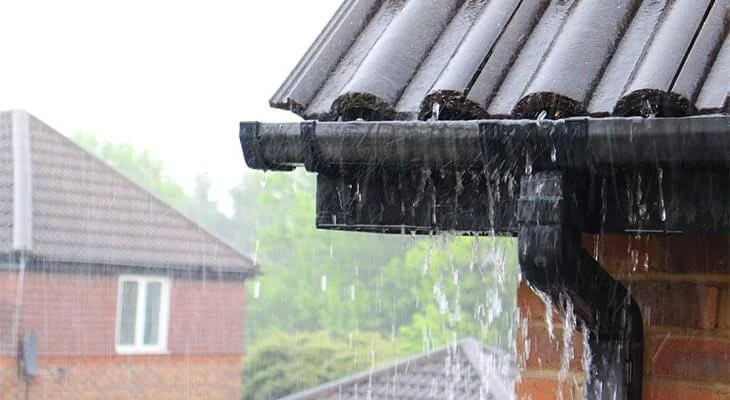
It usually starts the same way. A homeowner notices a small brown ring on the ceiling after a heavy rainstorm and assumes it’s nothing serious. A few months later, that small stain has grown, the drywall is soft to the touch, and what could have been a $150 repair has turned into a $4,000 problem involving decking replacement, mold remediation, and a rushed roofing crew. Stories like this play out in homes across the country every year, and almost all of them share the same root cause: a lack of consistent, preventive roof and gutter maintenance.
Your roof is arguably the single most important system protecting your home. It shields your structure, your belongings, and your family from wind, rain, snow, and sun, often without a second thought until something goes wrong. Gutters work alongside your roof as the drainage backbone of your entire property, directing thousands of gallons of water away from your foundation each year. When either system is neglected, the damage rarely stays contained. It spreads into fascia boards, attic insulation, siding, and eventually the foundation itself.
In our work observing residential roofing and property care practices, we’ve seen how a proactive approach consistently outperforms a reactive one. Companies like Classic Roofing & Gutters, which offers roof preventative maintenance services in Marietta, GA, illustrate an industry-wide shift toward scheduled inspections rather than emergency repairs, a trend that reflects what most experienced property professionals already know: maintenance is cheaper than replacement, every time.
This guide walks through what preventive roof and gutter care actually involves, the warning signs homeowners should never ignore, a full seasonal maintenance checklist, and how to make smart, informed decisions about your roof for years to come.
Why Roof Preventive Maintenance Matters
Roofs don’t fail overnight. They fail gradually, through small issues that compound over months or years until they become structural problems. Preventive maintenance interrupts that cycle before it starts.
Protecting structural integrity. Water intrusion is the single biggest threat to any roofing system. Once moisture reaches the decking or roof trusses, it can weaken the wood, encourage rot, and compromise the structure supporting the entire roof assembly.
Reducing repair costs. Catching a lifted shingle or a cracked seal early typically costs a fraction of what it costs to repair the resulting leak, drywall damage, or insulation replacement after the fact.
Extending roof lifespan. Most roofing materials are engineered to last 20 to 50 years, but that lifespan assumes reasonable upkeep. Neglected roofs often fail 30 to 40 percent earlier than their rated lifespan.
Improving property value. A well-documented maintenance history is a selling point. Buyers and inspectors both view a maintained roof as a sign that the rest of the home has likely been cared for as well.
Signs Your Roof Needs Attention
Homeowners often discover roofing problems only after they walk through the attic during an unrelated project, or after a stain appears on the ceiling below. Catching these signs earlier can prevent that scenario entirely.
- Missing or curling shingles, often the first visible sign of age or storm damage
- Cracked or lifted flashing around chimneys, vents, and skylights, which are common leak points
- Moss and algae growth, which retains moisture against the roofing surface and accelerates deterioration
- Water stains on ceilings or upper walls, indicating an active or past leak
- Sagging areas on the roofline, which may signal decking damage or structural stress
- Attic moisture, musty odors, or visible mold, often the earliest indicator of a slow, hidden leak
Expert Callout: In many roofing maintenance projects we’ve observed, the first sign of trouble isn’t a leak at all, it’s a change in the attic’s humidity or smell. A quick seasonal attic check can catch problems months before they reach the living space below.
The Importance of Gutter Maintenance
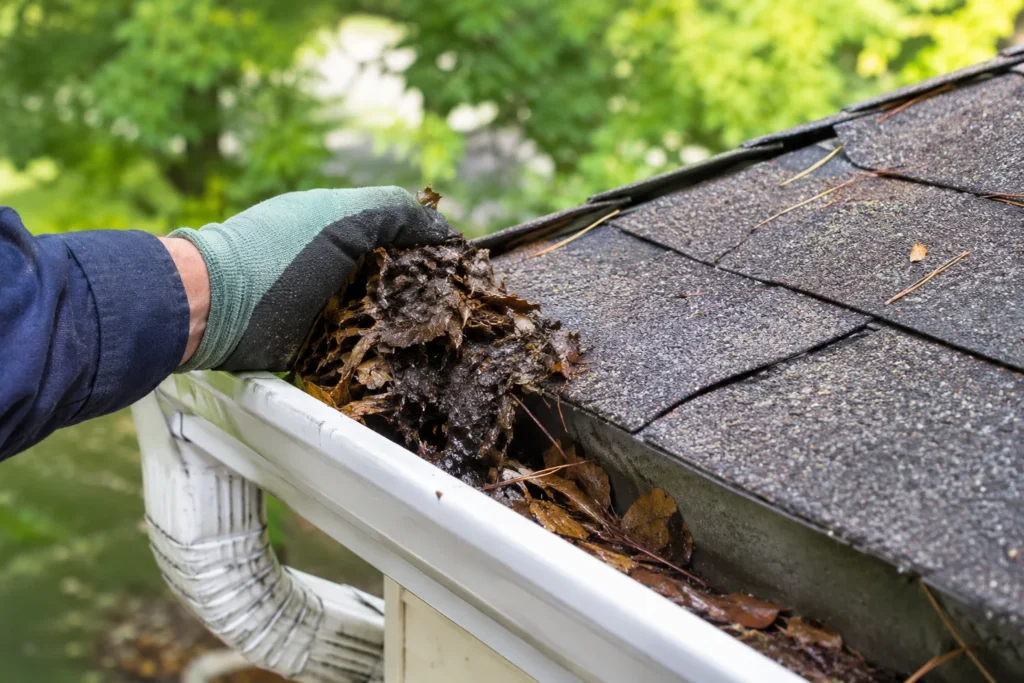
Gutters are easy to overlook, but they play an outsized role in protecting your entire property. Their job is simple: capture roof runoff and direct it safely away from your home. When they’re clogged or damaged, that water has to go somewhere else, and it usually finds the path of least resistance right into your foundation, siding, or landscaping.
- Proper drainage keeps water moving away from the roofline instead of pooling against fascia boards
- Foundation protection relies on downspouts extending water several feet from the base of the home
- Preventing erosion around flower beds, walkways, and sloped yard areas depends on controlled runoff
- Avoiding mold and mildew, which thrive in the damp conditions created by overflow and standing water
- Protecting siding and landscaping from the constant moisture exposure that clogged gutters create
Homeowners looking to address drainage more broadly across their property may also benefit from reviewing a backyard drainage improvement guide, since roof drainage and yard drainage often need to work together to fully protect a foundation.
Seasonal Roof Maintenance Checklist
Preventive maintenance works best when it’s tied to a predictable seasonal rhythm rather than done randomly throughout the year. Here’s a practical breakdown.
Spring
- Inspect for winter damage, including cracked shingles or loosened flashing
- Clear gutters and downspouts of debris accumulated over winter
- Check attic ventilation for signs of trapped winter moisture
- Trim overhanging tree branches before spring storms
Summer
- Inspect for sun and heat damage, including curling or blistering shingles
- Check attic insulation and ventilation to reduce heat buildup
- Clean gutters again after spring pollen and seed debris
- Look for signs of pest activity around soffits and eaves
Fall
- Clear leaves and debris from gutters before winter freeze
- Inspect flashing and seals around chimneys and vents
- Check for loose or missing shingles before winter winds arrive
- Trim branches that could break under snow or ice load
Winter
- Watch for ice dam formation along the roofline
- Check attic insulation to reduce heat loss that contributes to ice dams
- Monitor for snow accumulation beyond the roof’s rated load capacity
- Schedule a post-storm inspection after any major winter weather event
Common Roofing Materials and Their Maintenance Needs
Not all roofing materials age the same way, and understanding your specific material helps set realistic maintenance expectations.
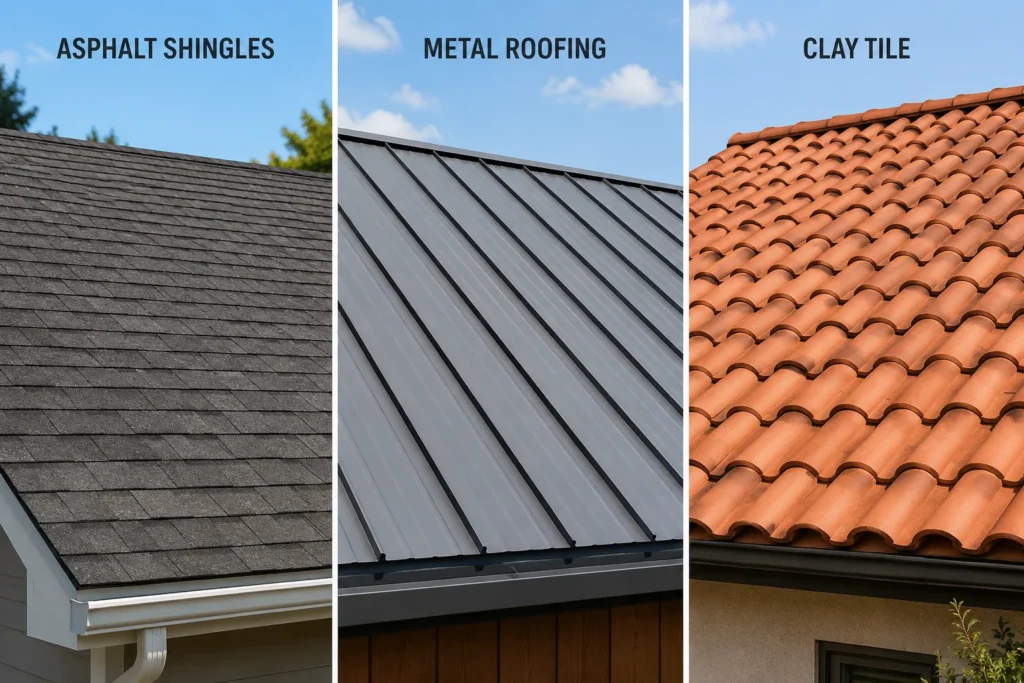
| Roofing Material | Typical Lifespan | Maintenance Level | Durability | Weather Resistance |
|---|---|---|---|---|
| Asphalt Shingles | 15-30 years | Moderate | Moderate | Good in most climates |
| Metal Roofing | 40-70 years | Low | High | Excellent, especially wind and fire |
| Tile Roofing | 50-100 years | Moderate | High | Strong in heat, fragile under impact |
| Slate Roofing | 75-150 years | Low to moderate | Very high | Excellent, but heavy and costly to repair |
| Composite Roofing | 30-50 years | Low to moderate | High | Good overall, resistant to rot and pests |
Each material has tradeoffs. Asphalt shingles remain popular for their upfront cost, while metal and slate offer longer lifespans in exchange for higher installation costs. Regardless of material, consistent inspection remains the deciding factor in how long a roof actually lasts versus its rated lifespan.
Preventing Water Damage Through Proper Drainage
Water damage prevention isn’t just about the roof surface itself, it’s about the entire drainage system working together.
- Gutters need to be sized correctly for your roof’s pitch and square footage to handle heavy rainfall
- Downspouts should extend water at least three to five feet from the foundation
- Roof valleys, where two roof planes meet, are high-flow areas prone to debris buildup and require regular checks
- Flashing around penetrations like chimneys and skylights is one of the most common failure points on any roof
- Attic ventilation reduces trapped moisture that can lead to condensation, mold, and premature decking decay
At InfoActivePropertyCare, we’ve found that homeowners who address drainage holistically, rather than treating the roof and gutters as separate systems, tend to experience far fewer water-related repairs over time.
Roof Maintenance Mistakes Homeowners Should Avoid
Even well-intentioned homeowners can unintentionally shorten their roof’s lifespan through common missteps.
- Pressure washing shingles, which can strip protective granules and void manufacturer warranties
- Ignoring small leaks, assuming they’ll resolve on their own or aren’t serious enough to address
- Delaying inspections until a visible problem forces the issue
- Allowing gutters to stay clogged for extended periods, especially through fall and winter
- Attempting improper DIY repairs, particularly around flashing and roof penetrations, which require precise sealing to remain watertight
When to Schedule Professional Roof Inspections
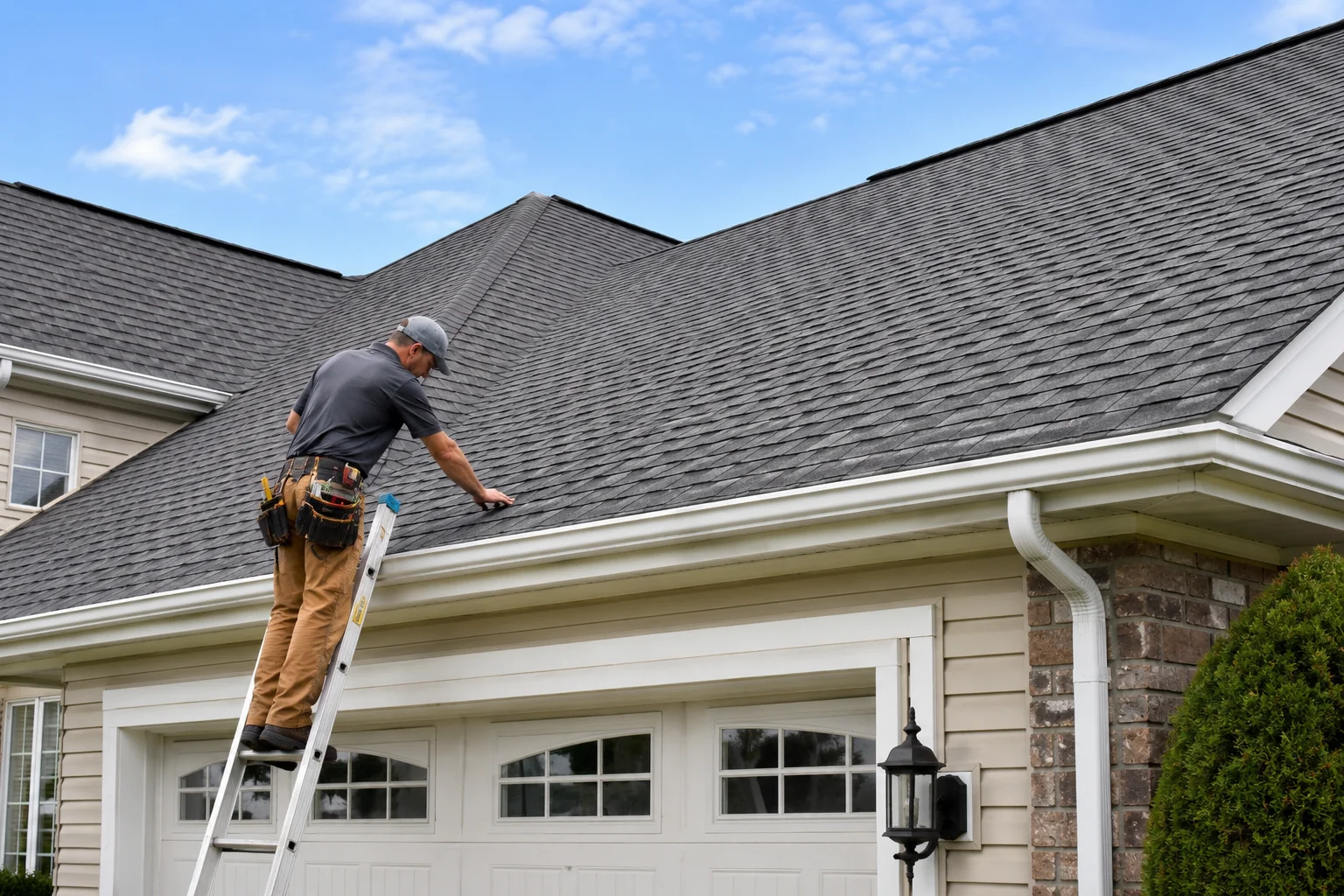
Following industry best practices, most roofing professionals recommend inspections at these key points:
- Annually, ideally in spring or fall, as part of a routine home maintenance cycle
- After severe storms, including hail, high winds, or heavy snow accumulation
- Before buying or selling a home, since roof condition heavily influences both price negotiations and insurability
- Following any visible interior sign of a leak, even a small one, since hidden damage often extends beyond what’s visible
A professional inspection typically checks flashing, decking integrity, attic ventilation, gutter condition, and overall shingle or material wear, offering a complete picture that’s difficult to assess from the ground.
Long-Term Benefits of Preventive Roof Maintenance
The value of a consistent maintenance routine compounds over time.
- Lower repair costs, since small issues are addressed before they escalate
- Increased home value, supported by documented maintenance records
- Improved energy efficiency, as proper insulation and ventilation reduce heating and cooling loss
- Fewer emergency repairs, which are almost always more expensive than scheduled work
- A longer overall roofing lifespan, often extending years beyond the material’s average rating
For homeowners looking to build a broader maintenance routine beyond the roof, our complete property maintenance checklist and exterior home maintenance tips offer additional guidance on protecting your entire property throughout the year.
Frequently Asked Questions
Most homes benefit from a professional inspection at least once a year, with additional checks after major storms.
Clean gutters prevent water from overflowing onto fascia boards, siding, and foundations, reducing the risk of rot, erosion, and structural water damage.
Missing or curling shingles, water stains on ceilings, and visible sagging are among the earliest warning signs homeowners should watch for.
It depends heavily on material. Asphalt shingles average 15 to 30 years, while metal, tile, and slate roofs can last 40 years or considerably longer with proper care.
Yes. Overflowing gutters allow water to pool near the base of the home, which over time can erode soil and compromise foundation stability.
Yes. High winds, hail, and heavy snow can cause damage that isn’t visible from the ground, making a post-storm inspection an important precaution.
Catching small issues, like a cracked seal or loose shingle, early prevents them from developing into larger, more expensive repairs involving decking or interior damage.
At minimum, gutters should be cleared, the roof surface should be visually inspected, and the attic should be checked for signs of moisture or ventilation issues each season.
Final Thoughts
Roof and gutter maintenance isn’t the most exciting part of homeownership, but it’s one of the most financially significant. A consistent, seasonal approach to inspection and upkeep protects not just the roof itself, but the structural integrity, energy efficiency, and long-term value of the entire home. Small, regular investments of time and attention now can prevent the kind of costly, disruptive repairs that catch so many homeowners off guard.
Explore more expert property maintenance and home improvement guides on InfoActivePropertyCare to keep your home protected throughout every season.