The lights start to flicker, causing that nagging question, one that gnaws on your thoughts. Is it just a one-off, or the first sign of actual electrical trouble? That question is usually the point where many New Jersey homeowners hear the phrase “electrical panel inspection.” Most know what the words mean, of course, but wonder what it really entails. The whole process is shrouded in mystery because most people don’t look inside their panel without a good reason.
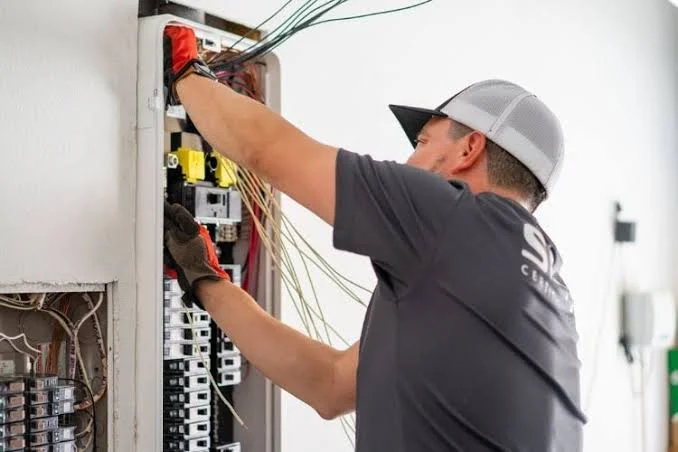
In practice, an electrical panel inspection is exactly what it sounds like. A licensed electrician opens up the panel, checks its components, and evaluates whether the system is safe and able to keep up with the home’s demands.
What Triggers an Inspection in the First Place
Buying or selling a home is one of the most common triggers for an inspection. Most real estate transactions in NJ involve home inspections, and electrical panel inspections are often nested within a broader home inspection. In fact, the electrical panel is one of the first things a home inspector looks at, and they won’t hesitate to flag whether it looks outdated or damaged. Planned renovations are another common reason, especially if the project involves adding new appliances or HVAC components.
Some signs are more urgent than others. Breakers that trip repeatedly, lights that dim when an appliance kicks on, or a faint burning smell near the panel are all reasons to stop waiting and call someone. Some homeowners also get an inspection done because their insurance company asked for one, particularly if the home has an older panel or hasn’t been formally evaluated in years.
What Happens During an Electrical Panel Inspection
The process starts with a visual check. An electrician will open the panel cover and look for anything obviously wrong: rust, water damage, burn marks, or corrosion around the breakers and wiring. These are the silent killers, the issues that get worse over time without the homeowner knowing. Until they reach a breaking point, and the homeowner will certainly know then.
From there, the inspection moves into testing. A voltage tester confirms the panel is delivering the right amount of power, and in some cases, an electrician will use a thermal imaging tool to spot overheating connections that aren’t visible to the eye. Overheating is one of the more serious findings, since it’s a common cause of electrical fires.
Checking the Panel’s Age and Condition
Age comes up in almost every inspection, and for good reasons. Electrical demands have changed dramatically over the past few decades, so knowing how old is too old for a home electrical panel pays off. A panel that was perfectly adequate in 1985 was never designed to handle today’s mix of HVAC systems, EV chargers, and home electronics. Panels installed before the 1990s often fall short of these standards, even when they still appear to be working fine on the surface.
That’s why an inspector will usually note the panel’s age and manufacture date, often stamped somewhere on the inside of the panel door, and factor that into their assessment.
Testing Circuit Breakers and Labeling
Every breaker in the panel gets tested individually to confirm it trips the right way at the right time. If a breaker doesn’t trip when it should during an overload, a small electrical problem can explode, literally, into a full-blown fire.
Inspectors also look for double-tapping, which happens when two wires are connected to a single breaker slot that was only designed for one. It’s a common shortcut in older installations, and it’s one of the more frequent code violations electricians find during a panel inspection.
Why Labeling Is More Important Than It Looks
A mislabeled panel might seem like a small detail, but it can become a huge problem in certain situations. Time is of the essence during emergencies like fires, floods, or just a breaker that trips at 3:34 a.m. Knowing which switch corresponds to which part of the house saves precious time. Inspectors will check that every breaker is labeled accurately, and they’ll often recommend relabeling if the panel hasn’t been touched in years and circuits have since changed.
Grounding, Wiring, and Signs of Wear
Grounding gets less attention than breakers or panel age, but it’s one of the most consequential things an inspector checks. A system that doesn’t meet grounding codes can leave a fault without a safe path, so if something shorts, it balloons into a shock or fire risk instead of just a tripped breaker.
Aluminum wiring, common in homes built during the 1960s and 1970s, corrodes more easily than copper and tends to get extra attention during an inspection. Frayed insulation, loose connections, and signs of previous DIY work round out what an electrician is looking for while the panel is open.
How Long Does an Electrical Panel Inspection Take?
Most inspections for standard residential panels take less than an hour. Of course, that depends on what the inspection reveals. It can stretch longer if the electrician needs to take a closer look, or if the house has several panels that need to be inspected.
What Happens If the Inspection Finds a Problem
Finding an issue doesn’t mean the whole panel needs replacement. A lot of fixes are simple, like correcting a double-tapped breaker or relabeling circuits. Other times, particularly with older panels or recalled brands, the electrician may recommend a full upgrade. A good inspection tells you which situation you’re actually in, instead of leaving you to guess.
Scheduling an Electrical Panel Inspection in New Jersey
If it’s been years since anyone has looked inside your panel, or if you’ve noticed any of the warning signs mentioned earlier, it’s worth getting ahead of the problem. That’s especially true for homeowners in South Orange and nearby towns, where more than half the housing stock was built before 1939, decades before panels were expected to handle anything close to today’s electrical load.
All City Electrical has handled residential electrical work for South Orange residents and others throughout New Jersey since 2003, and panel inspections are one of the most routine parts of that work. A licensed electrician can walk through your panel, explain what they find in plain language, and help you figure out the right next step, whether that’s a small fix or something bigger.
Frequently Ask Questions
Most electricians recommend an inspection every few years for newer panels, and more frequently for panels older than 20 to 25 years. Homes preparing for a sale or a major renovation should also schedule one beforehand.
No. A general home inspection typically includes a basic visual check of the panel, but it’s not as thorough as a dedicated electrical panel inspection performed by a licensed electrician.
A homeowner can do a basic visual check from outside the panel, looking for obvious rust or damage, but opening the panel and testing its components should always be left to a licensed electrician. Panels carry live current and aren’t safe to work on without training.
An inspection is an evaluation. A panel upgrade is the actual replacement or update of the system based on what that evaluation finds. Not every inspection leads to an upgrade, but every upgrade should start with one.
Most people only think about their electrical panel when something goes wrong with it, and by then the inspection has already become a repair. Catching the small stuff first, such as an aging panel, a mislabeled breaker, wiring that’s starting to wear, is what keeps it from getting there. If yours hasn’t been looked at in a while, that’s reason enough to get it done now rather than wait for a reason that’s harder to ignore.