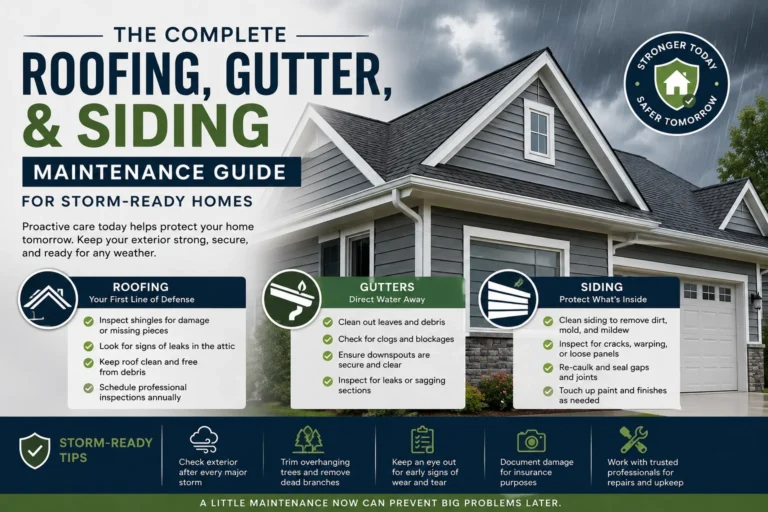
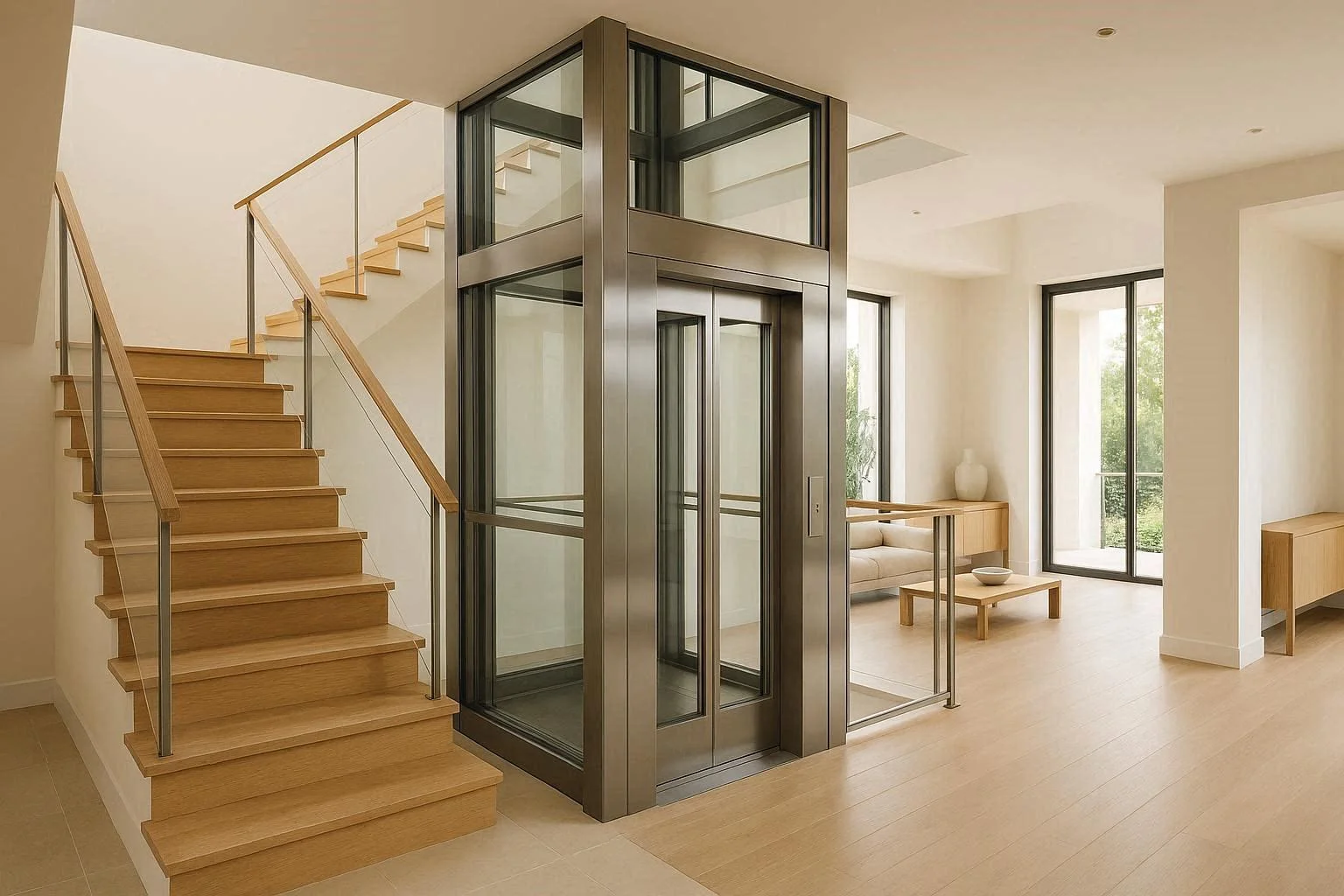
Imagine this: your parents are coming to stay with you for the holidays. They’re in their seventies, both in reasonable health, but the staircase in your two-story home has become a quiet source of anxiety. Every trip upstairs takes longer than it used to. You watch your mother grip the railing a little tighter each time. You’ve thought about converting the guest room downstairs, but the real question is whether your home is truly built to grow with your family.
This is the kind of conversation happening in more and more homes across the country. And it’s not just about aging relatives. Young families dealing with injuries, homeowners looking to future-proof their property investment, and buyers drawn to luxury living are all arriving at the same conclusion: a residential elevator is not an extravagance. It is a practical, long-term home improvement decision.
At InfoActivePropertyCare, we believe that accessibility planning is as fundamental to a well-maintained home as your roof, your HVAC system, or your foundation. If your home has multiple stories, understanding the case for residential elevator installation is simply good property ownership.
Why Accessibility Matters in Modern Homes
The way we think about home design has shifted considerably over the past decade. For a long time, accessibility features were seen as reactive: something you retrofitted after an injury or once a family member reached a certain age. That thinking is changing.
Aging-in-place design is now a deliberate strategy that forward-thinking homeowners build into their properties from the start. According to the American Association of Retired Persons (AARP), roughly 77% of adults over 50 want to remain in their current homes as they age. That desire puts serious pressure on home infrastructure that was never designed with long-term mobility in mind.
Multi-story homes present the most obvious challenge. Staircases, by design, place a physical barrier between floors of a home. For someone recovering from knee surgery, living with a chronic condition, managing a disability, or simply dealing with the natural changes that come with aging, that barrier can significantly reduce quality of life and limit how fully someone can enjoy their own home.
Smart mobility home design closes that gap. And residential elevators are one of the most effective tools available to do so.
Benefits of Residential Elevator Installations
From a property accessibility perspective, a home elevator delivers benefits that go well beyond convenience. Here is what we consistently see homeowners gain from this upgrade:
Full use of the entire home. When mobility becomes a challenge, residents often end up confined to one floor by default. An elevator restores access to every room, every floor, and every part of the property.
Reduced fall risk. Staircase falls are among the leading causes of injury-related hospital visits for older adults. Eliminating the daily need to navigate stairs significantly reduces that risk.
Independence and dignity. For older family members or individuals with disabilities, not having to ask for assistance to move between floors preserves a level of independence that has real psychological value.
Convenience for everyone. Families with young children, homeowners who frequently carry laundry, groceries, or heavy items between floors, and anyone who has ever struggled up a flight of stairs at the end of a long day will feel the difference immediately.
Future-proofing your property. Homes that are accessible by design are prepared for a wider range of life circumstances, which matters both for the homeowners and for future buyers.
For a deeper look at how these kinds of upgrades fit into a broader home improvement strategy, our how-to guides at ActivePropertyCare walk through planning processes across a range of property care categories.
How Home Elevators Improve Property Value
One of the most common hesitations homeowners bring up is cost. Residential elevator installations are not inexpensive, and that is worth acknowledging honestly. Depending on the type of system, the structure of the home, and the complexity of the installation, costs can range from roughly $20,000 to $60,000 or more.
However, the return on that investment is measurable in several ways.
Increased market appeal. A home with an installed elevator attracts a broader pool of buyers, including those with accessibility needs and those simply drawn to the luxury feature. In higher-end markets, it is increasingly a competitive differentiator.
Premium pricing potential. Our home improvement research shows that accessibility-forward features in multi-story homes consistently support higher listing prices, particularly in markets with growing populations of older buyers.
Reduced renovation costs later. Installing an elevator during a planned renovation or new build is significantly less disruptive and less expensive than retrofitting one later. Planning now saves money in the future.
Insurance and tax considerations. In some cases, home elevators installed for documented medical accessibility needs may qualify for partial tax deductions. Speak with a qualified tax professional to understand what may apply to your specific situation.
If you are exploring how this kind of upgrade connects to your overall property investment strategy, our guide on estate and property planning tips offers useful context on long-term home value thinking.
Key Features to Consider Before Installation
Not all residential elevators are the same, and the right system for your home depends on several factors. In many home upgrade projects we have observed, homeowners who skip the planning phase end up either over-spending on features they do not need or underestimating the structural requirements of their chosen system.
Here is what you need to evaluate early:
Drive system type. Home elevators typically use one of three drive systems: hydraulic, cable-driven (traction), or pneumatic (vacuum). Each has different space requirements, noise profiles, and maintenance needs. Hydraulic systems are common and reliable. Pneumatic systems are compact and do not require a machine room. Cable systems offer smooth rides and are well-suited to taller homes.
Shaft and hoistway requirements. Most traditional elevator systems require a dedicated shaft built into the home’s structure. This requires structural preparation and needs to be coordinated with an architect or structural engineer, particularly in existing homes.
Cab size and weight capacity. Standard residential elevator cabs typically accommodate one to three people. If the elevator needs to transport mobility aids like wheelchairs or scooters, you will need to spec accordingly.
Power requirements. Most home elevators run on standard 110V or 220V power, but your electrical panel may require an upgrade depending on the system you choose.
Code compliance. Residential elevator installations must comply with ASME A17.1 safety codes and any local building codes. Always work with licensed installers who are familiar with your local requirements.
If you are based in the South Carolina region and want to explore installation options, Home elevator installation Johns Island SC is an example of the kind of specialized local service that can guide you through these technical requirements.
Safety and Mobility Advantages for Families and Seniors
Safety is the most compelling argument for residential elevator installation when the conversation involves seniors or family members with mobility challenges. But it is worth thinking through what that safety looks like in practice.
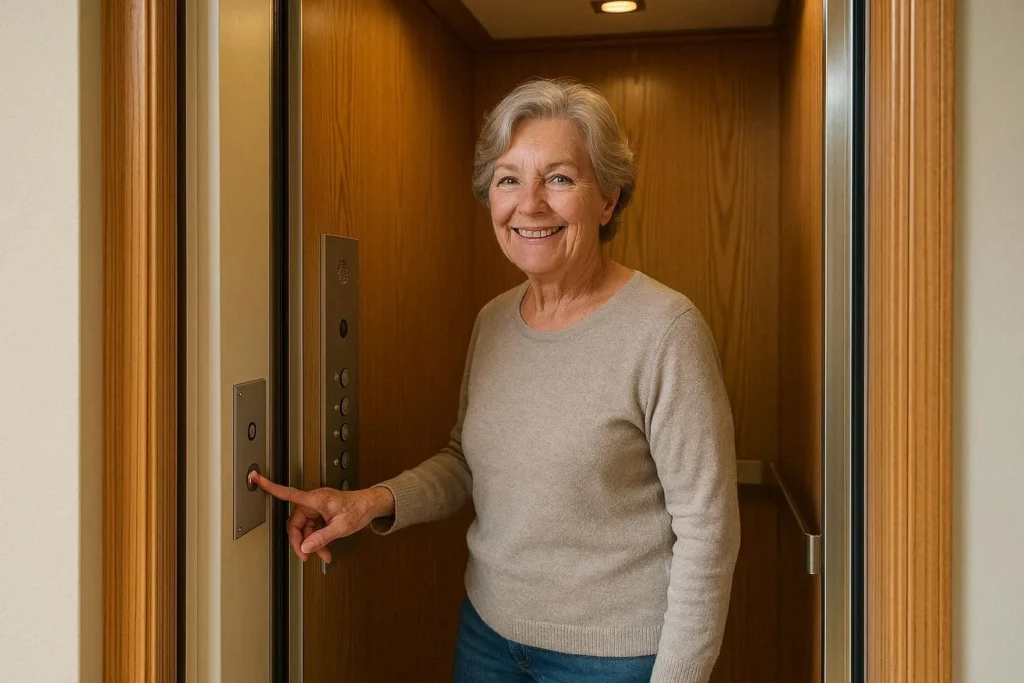
Emergency stop features. All residential elevators are required to include an emergency stop mechanism. Quality systems also include phone or intercom communication inside the cab so occupants can call for help if needed.
Door interlocks. Automatic interlocks prevent the elevator from operating unless all doors are fully closed and secured, preventing accidental falls or entrapment.
Battery backup. Many modern home elevator systems include battery backup power, which means the elevator continues to operate during a power outage rather than trapping occupants between floors.
Weight sensors and overload protection. These prevent operation when the cab is overloaded, adding an additional layer of safety.
Non-slip cab flooring and handrails. Small interior details that make a meaningful difference for older adults or those with balance concerns.
For families with young children, these same safety systems provide peace of mind. Keyed access controls can restrict elevator use to adults only when appropriate.
Space-Saving Elevator Designs for Residential Properties
One concern we hear often is that homeowners assume an elevator will consume too much square footage to be practical. This was a more legitimate concern a decade ago. Modern residential elevator design has responded to that challenge directly.
Pneumatic vacuum elevators are among the most space-efficient options currently available. They use a cylinder of transparent acrylic and operate via air pressure differential. They require no shaft construction, no machine room, and a relatively small floor footprint. They are also visually striking, which makes them popular in contemporary home designs.
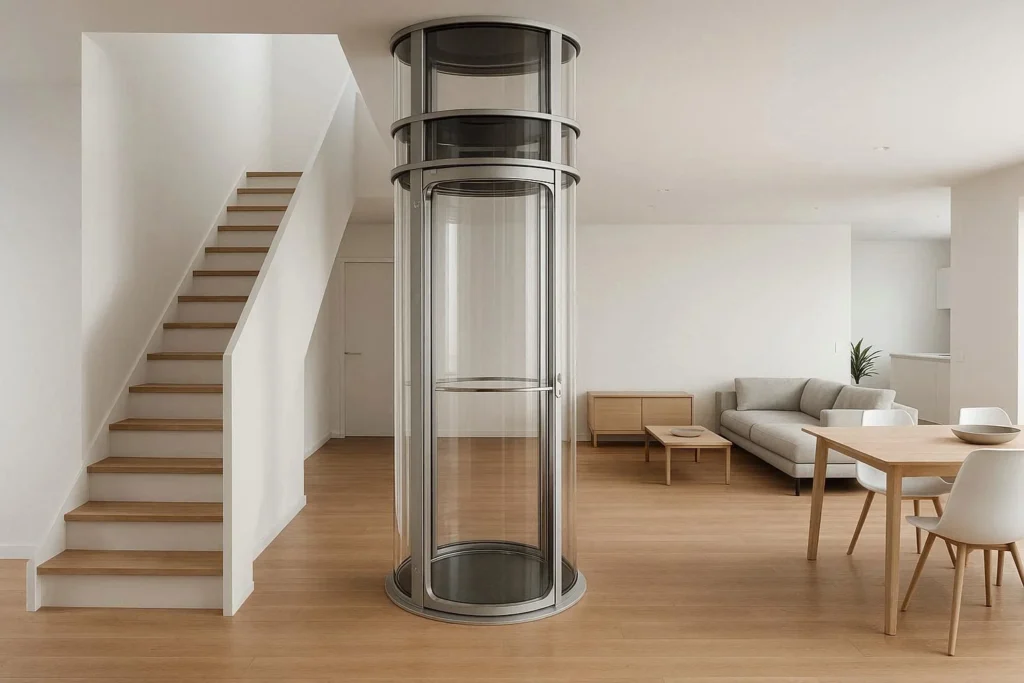
Shaftless home lifts are another compact option, designed for homes where constructing a full shaft is not feasible. These systems are installed against an existing wall and require minimal structural modification.
Through-floor lifts can move between two floors using a very compact footprint and are particularly well-suited to renovated homes where space is at a premium.
For homeowners in the planning stage of a broader interior upgrade, our team’s perspective on building and household improvement projects can help you think through how to integrate these features into a cohesive renovation plan.
Common Mistakes to Avoid During Home Accessibility Upgrades
Accessibility planning done poorly can cost significantly more than it should and deliver less than expected. Here are the mistakes we see most often:
Choosing a system without professional consultation. Every home is structurally different. What works for a new construction build may be completely impractical for a 1980s split-level. Always engage a licensed contractor or elevator specialist before committing to a system.
Underestimating the full project scope. The elevator unit itself is only part of the cost. Structural modifications, electrical upgrades, permit fees, and finishing work around the new shaft or installation area all add to the total budget.
Ignoring local building permits. Residential elevator installations require permits in virtually every jurisdiction. Skipping this step creates liability issues and can complicate home sales.
Prioritizing aesthetics over function. Custom cab finishes and designer interiors are appealing, but prioritize safety features, weight capacity, and drive system reliability first.
Failing to plan for maintenance. Elevators require regular servicing, typically annually. Budget for this as an ongoing cost, not an afterthought.
Maintenance and Long-Term Care Tips
A residential elevator is a mechanical system, which means it requires consistent care to operate safely and reliably over its lifespan.
Schedule annual inspections. Most manufacturers and local codes require annual professional inspections. Do not defer this.
Lubricate moving parts. Rails, cables, and other moving components need periodic lubrication according to the manufacturer’s schedule.
Test safety features regularly. The emergency stop, door interlocks, and communication systems should be tested periodically to confirm they are functioning correctly.
Keep the cab clean and dry. Moisture is damaging to elevator components. Wipe down the interior regularly and address any signs of water intrusion promptly.
Log any unusual sounds or behavior. Grinding, hesitation, or unusual vibrations are early warning signs. Contact your service provider at the first indication of a problem rather than waiting for a breakdown.
Know your warranty. Most residential elevator systems carry a manufacturer warranty on parts and labor. Understand what it covers and keep records of all service visits.
Future Trends in Smart Home Accessibility Solutions
The intersection of home automation and accessibility design is producing genuinely exciting developments. Homeowners who are planning residential elevator installations today would be well-served to understand where the technology is heading.
Smart home integration. Modern elevator systems can be connected to home automation platforms, allowing voice-activated operation, scheduling, and remote monitoring. For older adults living independently, this kind of integration creates meaningful safety advantages.
Remote diagnostics. Manufacturers are increasingly building remote monitoring capabilities into elevator systems so that service technicians can identify potential issues before they become failures.
Energy efficiency improvements. Drive systems are becoming more energy-efficient, with regenerative systems that recover energy during descent and return it to the home’s electrical system.
Universal design as standard. The industry is moving toward designs that are accessible and visually appealing by default, rather than treating accessibility as a specialized add-on category.
Biometric access control. Fingerprint or facial recognition systems for elevator access are beginning to appear in premium residential installations, adding a layer of security alongside convenience.
Conclusion
Residential elevator installation sits at the intersection of safety, comfort, accessibility, and long-term property value. It is not a small decision, and it is not right for every home. But for multi-story homeowners who are thinking seriously about the long arc of their property and the quality of life of everyone who lives in it, it deserves a serious look.
The best time to plan for accessibility is before you need it. Structural preparation is easier and less disruptive during a planned renovation than during a crisis. And the peace of mind that comes from knowing your home can accommodate life’s changes, whatever they may be, is genuinely difficult to put a price on.
At InfoActivePropertyCare, we believe great property care means thinking ahead. That means roofs before they leak, systems before they fail, and access before it becomes a barrier.
Explore more home improvement and property care guides across our site, and get in touch if you have questions about planning your next upgrade.