Most homeowners don’t think about property maintenance until something goes wrong: a roof leak after a storm, a clogged drain at the worst possible moment, or a backyard that’s slowly turning into a liability instead of an asset. By the time the problem shows up, the cost of fixing it is usually far higher than the cost of preventing it would have been.
That’s the gap this guide is meant to close. At InfoActivePropertyCare, we’ve found that the homeowners who avoid costly surprises aren’t the ones with the biggest budgets, they’re the ones with the most reliable information. This article pulls together the must-read property care topics every homeowner, landlord, and property investor should have on their radar, organized so you can use it as an ongoing reference rather than a one-time read.
Think of this as a resource hub, a curated starting point for the maintenance, improvement, and long-term planning decisions that protect both your property and your peace of mind.
Why Property Care Knowledge Matters
Property care isn’t just about appearances. It’s about protecting an asset that, for most people, represents their largest financial investment.
Protection. Small issues caught early (a hairline roof crack, a slow leak under a sink) rarely turn into emergencies. Left alone, they almost always do.
Cost savings. Preventive maintenance is consistently cheaper than reactive repair. Replacing a worn gasket costs far less than replacing a water-damaged floor.
Safety. Electrical systems, structural elements, and outdoor hazards (loose fencing, poor lighting, tripping hazards) directly affect the safety of everyone on the property.
Long-term value. Buyers and appraisers notice maintenance history. A well-documented, well-maintained property holds and grows value more reliably than one with deferred maintenance.
From our experience working with homeowners, the difference between a property that appreciates smoothly and one that becomes a financial drain almost always comes down to consistency, not the size of any single repair.
Essential Home Maintenance Must Reads
These are the maintenance fundamentals that form the backbone of any property care plan.
Seasonal Maintenance
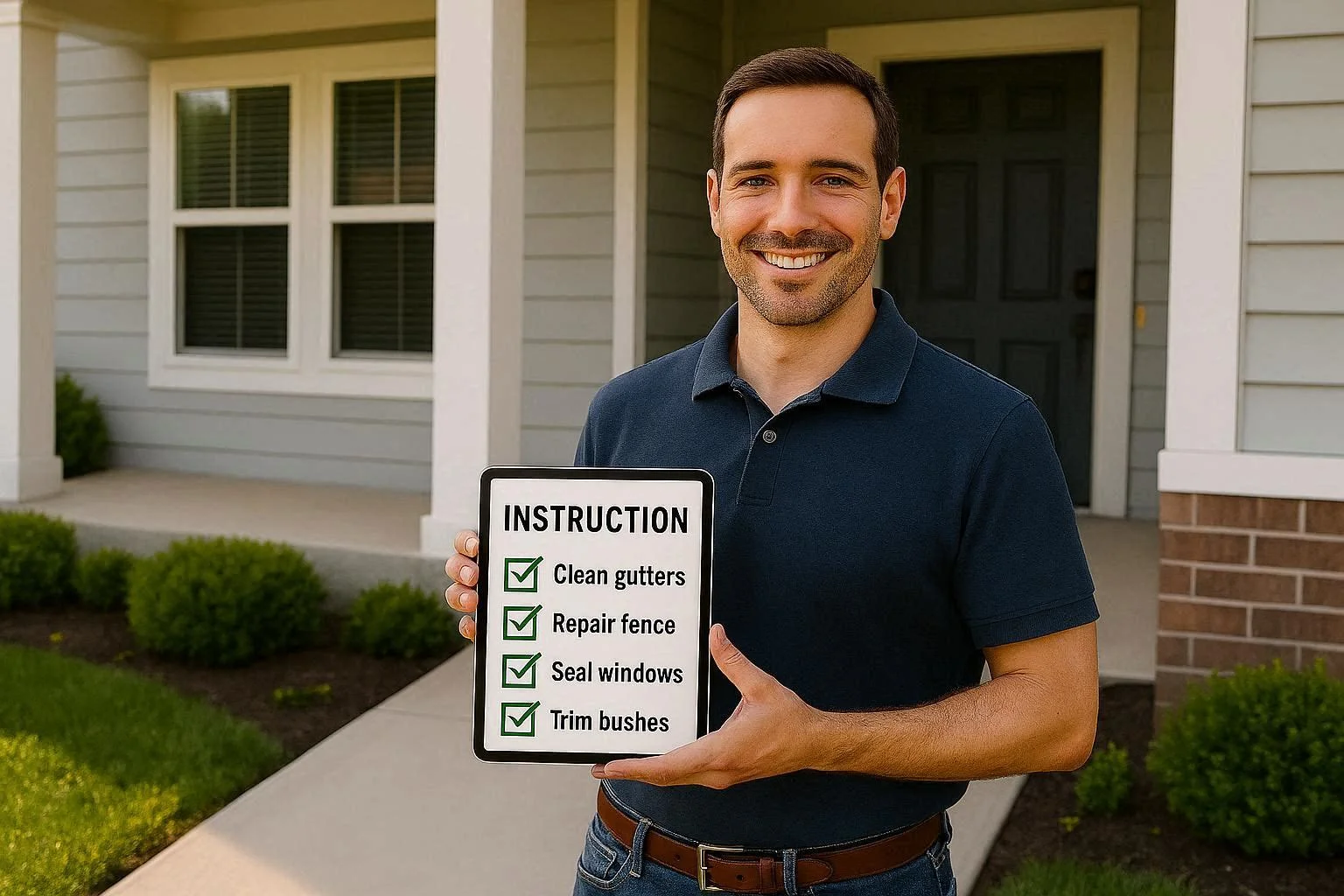
Every season puts different stress on a property. A solid seasonal maintenance checklist should cover gutter cleaning before fall storms, HVAC servicing before summer and winter peaks, and exterior inspections after extreme weather.
Roof Inspections
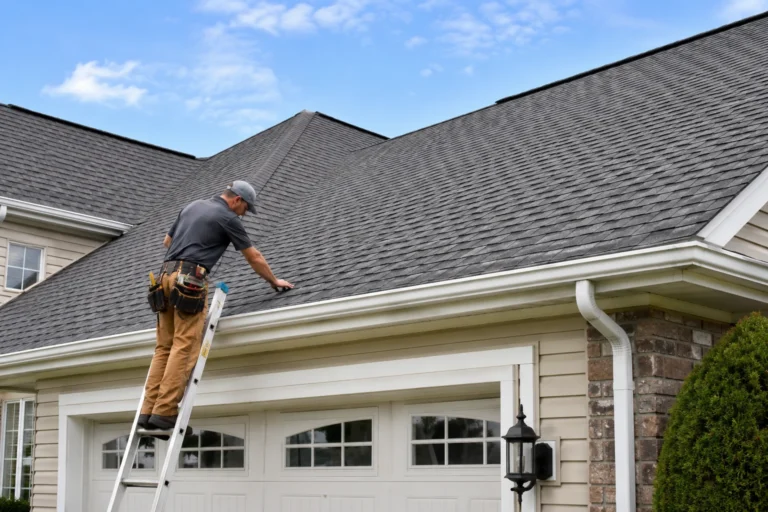
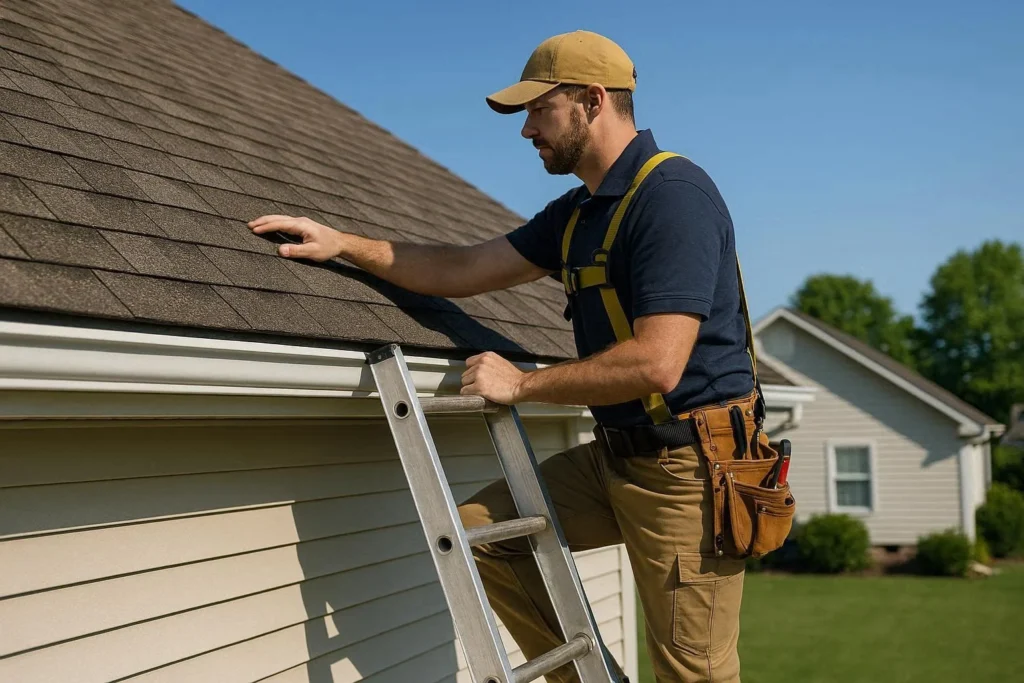
The roof is your property’s first line of defense. We recommend two inspections a year, plus a check after any major storm, following a roof maintenance guide that outlines what to look for and when to call in a professional.
Plumbing Checks
Plumbing issues rarely announce themselves loudly until they’re expensive. Slow drains, water pressure changes, and unexplained increases in water bills are early warning signs. Some issues are simple DIY fixes, while others genuinely require a professional plumber, and knowing the difference saves both money and damage.
Electrical Safety
Flickering lights, warm outlets, or breakers that trip repeatedly are not cosmetic issues, they’re safety issues. Property owners often discover electrical problems only after they’ve worsened, which is why periodic inspection matters more than most people assume.
Preventative Maintenance
Preventive maintenance planning is the single highest-leverage habit a property owner can build. A simple quarterly walkthrough, checking seals, fasteners, filters, and visible wear, catches the majority of issues before they become expensive.
| Maintenance Area | Frequency | Why It Matters |
|---|---|---|
| Roof inspection | 2x/year + after storms | Prevents water damage |
| HVAC servicing | 2x/year | Extends system life, lowers energy costs |
| Plumbing check | Annually | Catches leaks before structural damage |
| Electrical review | Every 2 to 3 years | Reduces fire risk |
| Gutter cleaning | 2x/year | Prevents foundation and roof damage |
Outdoor Property Care Must Reads
Outdoor spaces take a beating from weather and time, and they’re often the most neglected part of a property care plan.
Landscaping and Lawn Maintenance
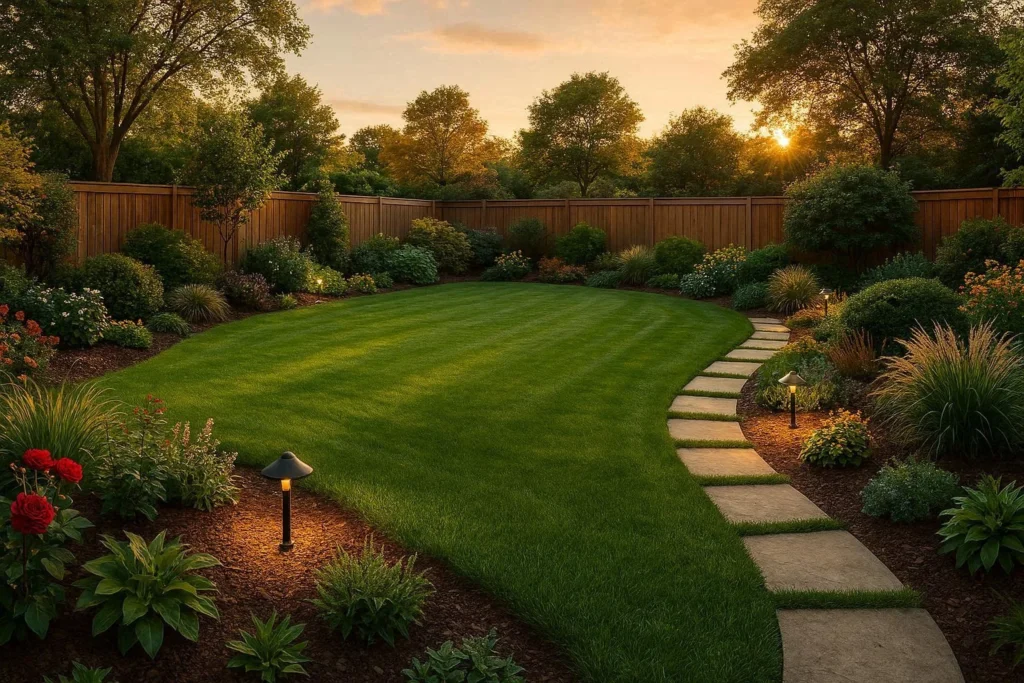
Healthy landscaping does more than look good. It manages drainage, prevents erosion, and supports the home’s structural surroundings. Seasonal lawn care, soil health, and planting strategy all play a role, and our landscaping best practices guide walks through each of them.
Backyard Improvements
Backyards are increasingly treated as extensions of living space. Thoughtful upgrades here, from seating areas to improved layout, tend to deliver strong day-to-day value for the household.
Fencing
Fencing affects privacy, security, and curb appeal simultaneously. Material choice matters a lot, with options ranging from low-maintenance vinyl to classic wood, each with different durability and upkeep needs.
Outdoor Lighting
Good outdoor lighting improves safety, security, and the usability of outdoor spaces after dark. It’s also one of the more affordable upgrades with a noticeable impact on how a property feels and shows.
Property Improvement Must Reads
Improvements should be chosen strategically, not just aesthetically.
Curb Appeal Upgrades
First impressions affect both resale value and day-to-day pride of ownership. Simple, well-maintained landscaping and exterior touch-ups consistently deliver more value than larger, less visible projects.
Home Accessibility Improvements
Accessibility upgrades, such as wider doorways, ramps, or even a residential elevator installation, are increasingly common as homeowners plan for aging in place or broader household needs.
Energy-Efficient Upgrades
From insulation to solar, energy-efficient improvements reduce ongoing costs while improving comfort. Aging solar panels in particular tend to lose efficiency gradually, so it’s worth keeping an eye on performance before output drops noticeably.
Renovation Planning
Renovations succeed or fail based on planning quality, not just execution. Budget contingencies, realistic timelines, and a clear understanding of which upgrades the local market actually rewards are all part of doing this well.
Roofing and Structural Care Must Reads
Roof Maintenance and Weather Protection
Roofs are constantly exposed to UV, moisture, and temperature swings. Materials like polycarbonate have grown in popularity for good reason: many homeowners value its durability and light transmission in covered outdoor areas.
For larger or commercial properties, choosing the right commercial roofing system involves different considerations around load, drainage, and lifespan compared to residential roofing.
Drainage Systems
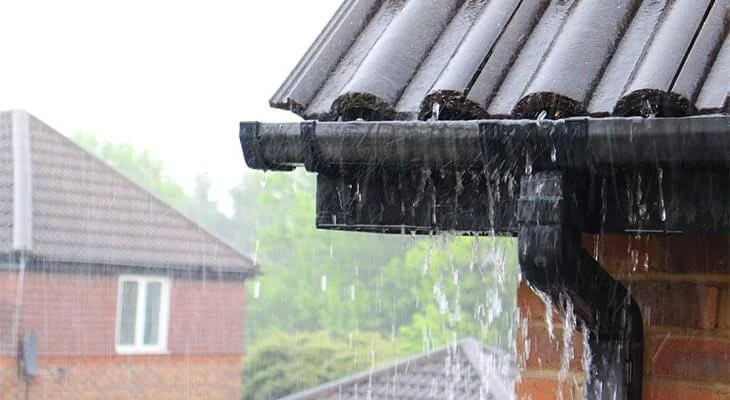
Poor drainage is one of the most underestimated threats to structural integrity. Water that isn’t directed away from the foundation efficiently will, over time, find its way into places you don’t want it.
Structural Inspections
Periodic structural inspections, checking foundations, load-bearing walls, and visible cracking, catch issues long before they become visible from inside the home.
Garden and Outdoor Living Must Reads
Garden Planning and Sustainable Landscaping
Thoughtful garden planning balances aesthetics with practicality: native plants reduce water needs, proper spacing reduces maintenance, and seasonal planning keeps the space looking intentional year-round. Decorative touches can tie a garden together without adding much to the maintenance workload.
Backyard Design and Outdoor Entertaining Spaces
Outdoor living areas, including patios, fire features, and seating zones, have become a major factor in how buyers and families value a property. Designing these spaces with durable materials and clear sightlines pays off in both usability and upkeep.
Property Value Enhancement Must Reads
Strategic Upgrades
Not every upgrade returns equal value. Kitchens, bathrooms, roofing, and curb appeal consistently rank among the highest-return improvements, while highly personalized upgrades tend to add less resale value than expected.
Maintenance Investments
Consistent maintenance investment compounds over the property lifecycle. A property maintained on schedule for ten years will, in our property maintenance observations, almost always outperform a comparable property that received only reactive repairs.
Long-Term Property Planning
Long-term planning means thinking in five and ten year windows rather than reacting room by room. This includes planning for major system replacements, such as the roof, HVAC, or water heater, before they fail, not after.
If you’re managing a portfolio or planning a property transition, smoothing out the logistics around larger moves and handoffs makes a meaningful difference in how the rest of the plan plays out.
Common Property Care Mistakes Homeowners Make
Based on years of industry best practices, these are the mistakes we see most often:
- Ignoring small issues. A minor leak or crack is rarely minor for long.
- Skipping seasonal prep. Many emergency repairs trace back to a skipped seasonal inspection.
- DIY-ing the wrong jobs. Some tasks, like complex plumbing or electrical work, genuinely need a licensed professional.
- Neglecting outdoor maintenance. Lawns, fences, and drainage are easy to deprioritize until they fail visibly.
- No maintenance records. Without documentation, it’s hard to plan ahead or prove upkeep to future buyers.
- Treating junk removal as an afterthought. Clutter and debris quietly affect both safety and property value, and clearing it out is often a surprisingly effective first step in a property refresh.
- Overlooking equipment maintenance. Tools used for property upkeep need care too. Even something like a pressure sprayer needs proper maintenance to keep projects on schedule.
Building a Long-Term Property Care Strategy
A property care strategy doesn’t need to be complicated, but it does need to be consistent. Here’s a practical framework:
1. Inventory. List every major system and feature (roof, HVAC, plumbing, electrical, landscaping, fencing).
2. Schedule. Assign a realistic inspection or service frequency to each item.
3. Document. Keep a simple maintenance log, even if it’s just dates and notes.
4. Budget. Set aside a maintenance reserve annually, separate from improvement spending.
5. Review. Revisit the plan once a year and adjust for new priorities or property changes.
Property owners often discover that once this framework is in place, maintenance stops feeling reactive and starts feeling manageable, which is really the whole point.
Frequently Asked Questions
Roof inspections, HVAC servicing, plumbing checks, and electrical safety reviews consistently prevent the most costly damage when done on schedule.
A full walkthrough at least twice a year, plus targeted checks after major weather events, covers most risk areas effectively.
Kitchen and bathroom updates, roofing, curb appeal upgrades, and energy-efficiency improvements tend to deliver the strongest returns.
It catches small issues before they become expensive repairs, extending the lifespan of major systems and protecting overall property value.
Well-maintained landscaping, fresh fencing, and good outdoor lighting create an immediate, positive first impression that affects both daily enjoyment and resale value.
Gutter cleaning before fall, HVAC servicing before summer and winter, and exterior inspections after storms are top priorities each season.
Start with an inventory of major systems, assign inspection frequencies, document everything, and set aside an annual maintenance budget.
Ignoring small issues, skipping seasonal prep, attempting complex DIY repairs, and neglecting outdoor maintenance top the list.
Final Thoughts
Property care works best as a habit, not a reaction. The homeowners who avoid expensive surprises are the ones who treat maintenance, outdoor care, and strategic improvements as an ongoing plan rather than a checklist they revisit only when something breaks.
Use this guide as a starting point, and come back to it as your priorities shift with the seasons and your property’s needs evolve.
Explore more expert property care guides and practical homeowner resources on InfoActivePropertyCare.