It usually starts the same way. A homeowner notices a small water stain on the ceiling, a slightly slower drain, or a patch of lawn that never quite greens up. It seems minor, so it gets pushed to “next weekend.” Then next weekend becomes next season, and what could have been a $150 fix turns into a $4,000 repair bill.
This is the story behind most unexpected property expenses. It isn’t bad luck, it’s deferred maintenance. Homes and properties don’t fail overnight; they fail gradually, in ways that are almost always preventable with the right approach. That’s the philosophy behind Berksaw ActivePropertyCare: treating property maintenance as an ongoing, proactive practice rather than a reactive scramble.
This guide walks through what modern, proactive property care actually looks like, from the inside of your home to the edges of your yard, and gives you the checklists, schedules, and decision-making frameworks to protect your property’s value for the long haul.
Understanding Modern Property Care
Property care has changed. It used to mean fixing things when they broke. Today, the smarter approach is proactive maintenance: identifying small issues before they become expensive ones, and building a long-term plan around your property’s specific needs.
A few principles define this modern approach:
- Proactive over reactive: inspecting systems on a schedule instead of waiting for failure
- Long-term planning: budgeting for maintenance the same way you’d budget for a mortgage
- Cost reduction through prevention: a $50 inspection is almost always cheaper than a $5,000 repair
- Protecting the investment: your home is likely your largest asset, and its condition directly affects resale value
In many property maintenance projects we’ve observed, the properties that hold their value best aren’t necessarily the newest or most expensive. They’re the ones with a consistent maintenance history. Buyers and appraisers notice the difference between a home that’s been cared for and one that’s been ignored, even when the issues aren’t immediately visible.
Why Preventive Maintenance Saves Money
Preventive maintenance is the single highest-leverage thing a homeowner can do. Small, regular checks catch problems while they’re still cheap to fix.
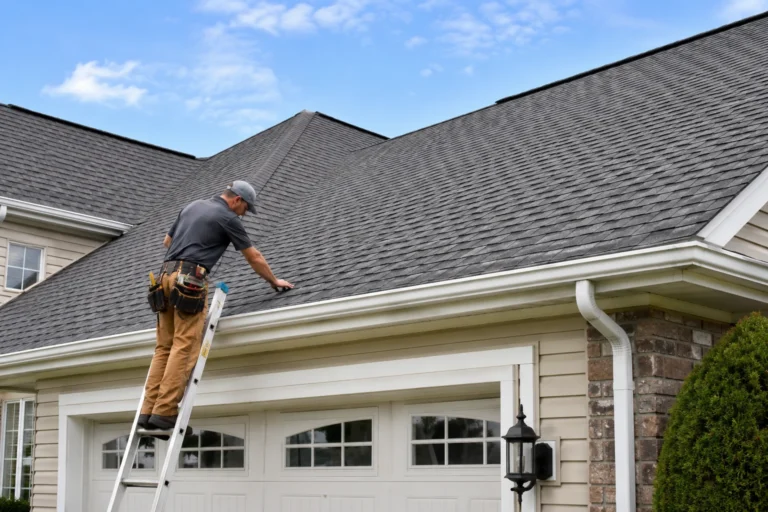
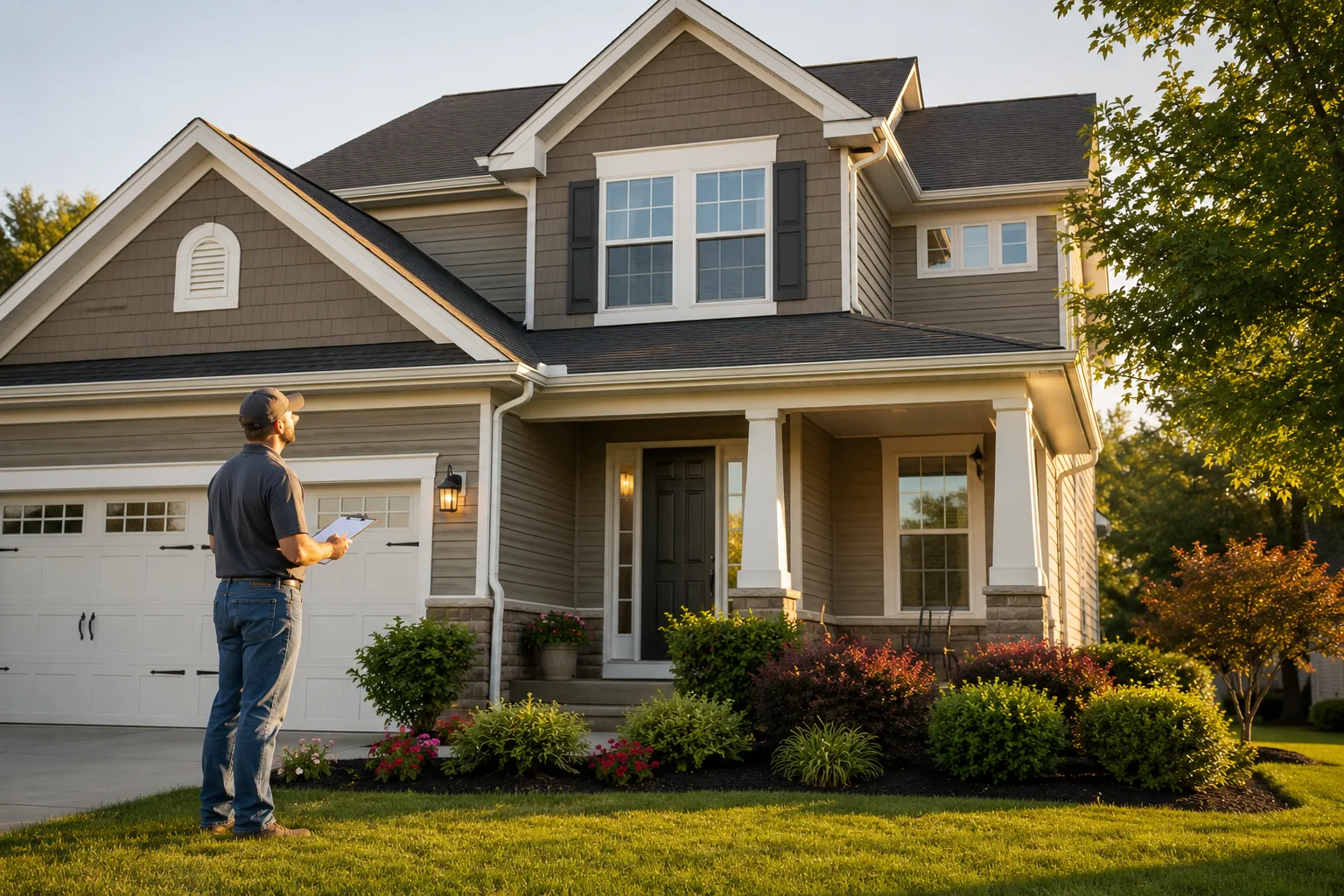
Seasonal inspections. Walking your property at the start of each season, checking the roofline, gutters, foundation, and exterior walls, takes less than an hour but can flag issues before they compound. Weather stress accumulates, and a quick visual check after a harsh winter or a heavy storm season often reveals what needs attention.
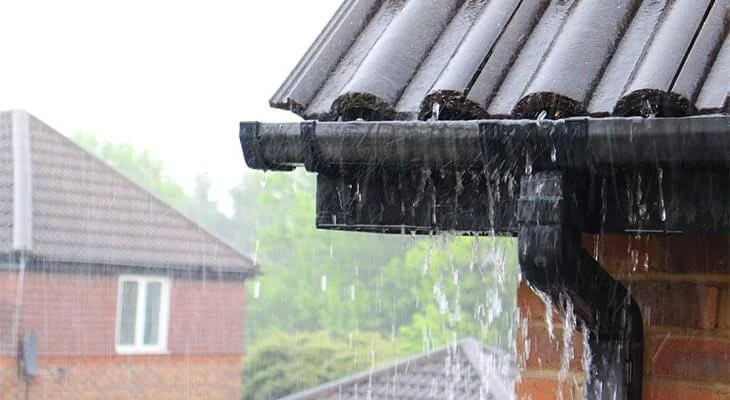
Roof maintenance. The roof is your building envelope’s first line of defense. Missing shingles, cracked flashing, or clogged valleys can let moisture into the structure long before you see a stain on the ceiling. For a deeper look at seasonal roof upkeep, this roofing maintenance guide covers what to check and when.
Plumbing checks. Slow drains, small leaks under sinks, and water heater sediment buildup are easy to miss but can lead to mold, structural damage, or costly repiping if ignored. A five-minute check under each sink twice a year catches most of these early.
Electrical safety. Flickering lights, warm outlets, or a breaker that trips more than it used to are signs worth investigating. Electrical issues are one area where DIY troubleshooting has real limits, and this is a case where bringing in a licensed electrician is the right call rather than a nice-to-have.
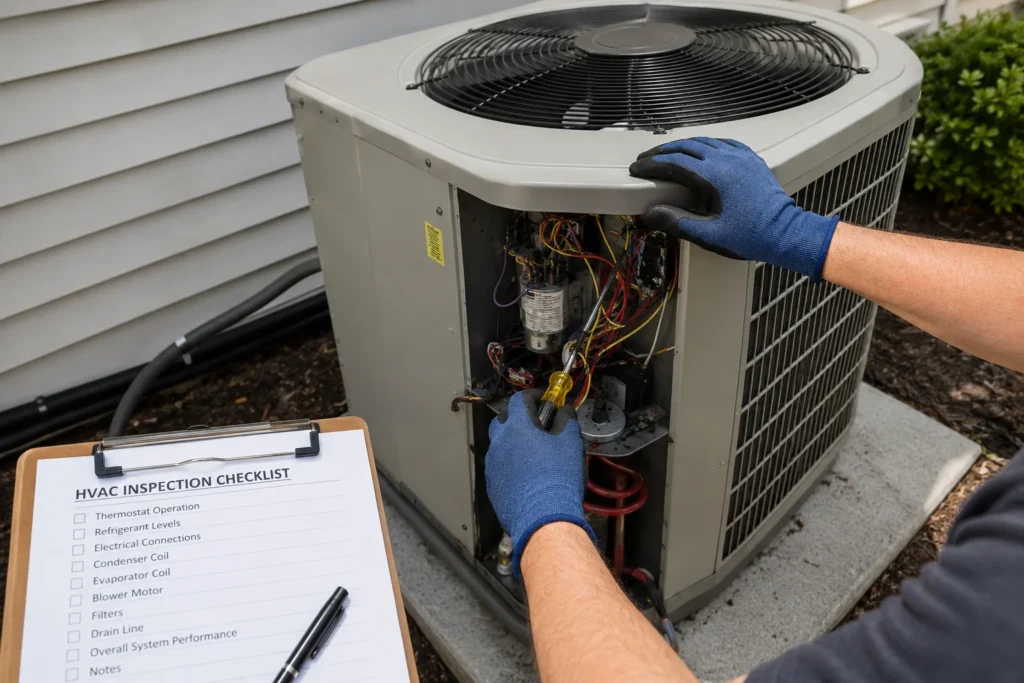
HVAC maintenance. Replacing filters, cleaning coils, and scheduling annual tune-ups keeps heating and cooling systems running efficiently. A poorly maintained HVAC system doesn’t just cost more to run, it also wears out faster, turning a maintenance expense into a full replacement expense.
| Maintenance Area | Recommended Frequency | Typical Cost if Deferred |
|---|---|---|
| Roof inspection | Twice a year | $2,000 to $10,000+ (structural/water damage) |
| Plumbing check | Twice a year | $1,500 to $8,000 (mold, repiping) |
| HVAC service | Annually | $3,000 to $8,000 (early system failure) |
| Electrical inspection | Every 2 to 3 years | Varies; safety risk, not just cost |
| Gutter cleaning | Twice a year | $500 to $3,000 (foundation/fascia damage) |
Indoor Property Care Essentials
Interior maintenance often gets less attention than exterior work, but it plays just as large a role in long-term property value.
Flooring. Hardwood, tile, and laminate all have different maintenance needs, but the common thread is moisture control. Standing water or high humidity near flooring is one of the fastest ways to cause warping or subfloor damage.
Moisture control. Basements, bathrooms, and crawl spaces are the most common trouble spots. A dehumidifier, proper grading outside the foundation, and functioning exhaust fans go a long way toward preventing mold and structural moisture issues.
Insulation. Poor insulation performance shows up as high energy bills and inconsistent indoor temperatures. Upgrading insulation is one of the better returns on investment for both comfort and energy efficiency.
Ventilation. Proper airflow, especially in kitchens, bathrooms, and attics, prevents moisture buildup and helps HVAC systems run more efficiently.
Smart home upgrades. Smart thermostats, leak sensors, and smoke/CO detectors with app notifications aren’t just conveniences; they’re early-warning systems that can catch a problem while you’re away from home.
Outdoor Property Improvements
Curb appeal matters, but outdoor maintenance is also about protecting the structure itself.
Landscaping and lawn maintenance. Overgrown roots near a foundation, poor soil drainage, and improperly graded landscaping can direct water toward your home instead of away from it. For ideas on getting this right, this landscaping best practices resource is a useful starting point.
Fencing. Beyond aesthetics, fencing protects privacy and can affect property lines and resale considerations. Material choice matters: wood, vinyl, and metal each come with different maintenance tradeoffs.
Drainage. This is one of the most overlooked and most damaging issues in property care. Poor drainage causes foundation cracks, basement flooding, and soil erosion, often slowly, over years, until the damage is significant.
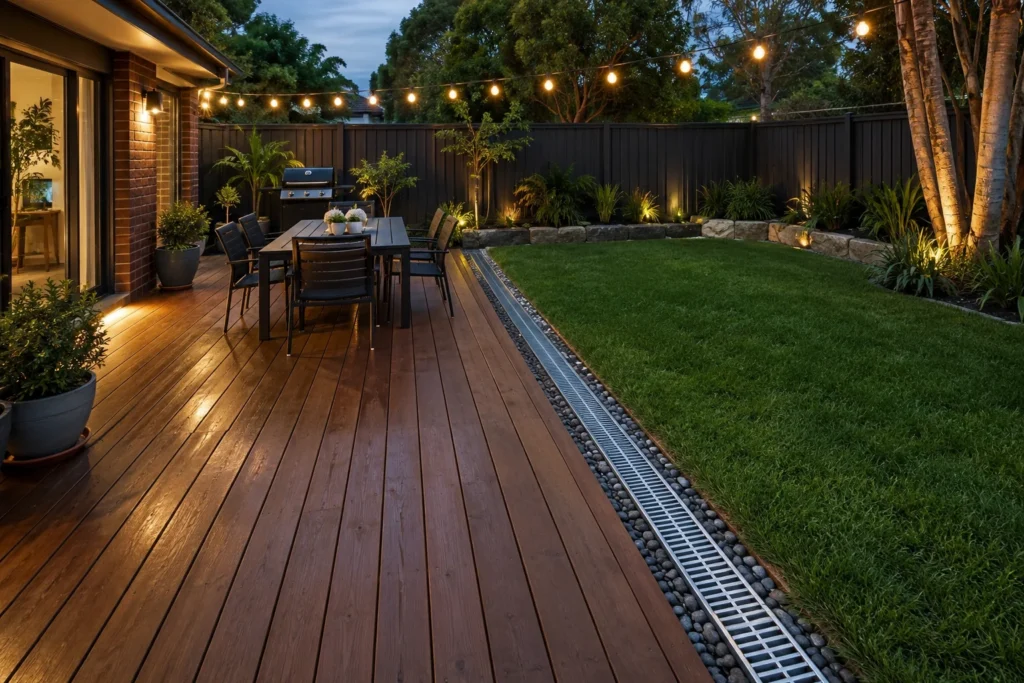
Outdoor lighting. Beyond security, well-placed lighting reduces trip hazards and highlights architectural or landscaping features.
Patios and decks. Wood decking needs periodic sealing and inspection for rot, especially near ground contact points. Composite materials require less upkeep but should still be checked for structural fastener issues.
Building a Property Maintenance Schedule
One of the most common issues property owners encounter isn’t a lack of knowledge, it’s a lack of structure. Knowing what to do matters less if there’s no system for when to do it.
Monthly checklist:
- Test smoke and carbon monoxide detectors
- Check HVAC filters
- Inspect under sinks for leaks
- Walk the exterior for obvious damage
Seasonal checklist:
- Clean gutters and downspouts
- Inspect roof and flashing
- Check exterior caulking and weatherstripping
- Service HVAC system
- Inspect deck, fence, and outdoor structures
Annual checklist:
- Professional roof inspection
- Electrical panel inspection
- Water heater flush
- Foundation and drainage review
- Review overall maintenance budget for the year ahead
A complete home maintenance checklist can help turn this into a repeatable system tailored to your specific property type and climate.
Common Property Maintenance Mistakes
Following established property maintenance best practices means learning from the mistakes that show up most often:
- Delayed repairs. Small issues rarely stay small. A minor roof leak today is a rafter replacement in two years.
- Poor drainage. Ignoring grading and gutter placement is one of the costliest long-term mistakes homeowners make.
- Neglected roofing. Skipping inspections because “it looks fine from the ground” misses the issues that matter most.
- Improper landscaping. Planting large trees too close to a foundation or septic system creates problems that take years to surface.
- Ignoring inspections. Annual professional inspections for electrical, HVAC, and roofing systems catch issues a homeowner’s walkthrough simply can’t.
Long-Term Strategies That Protect Property Value
Our maintenance observations suggest that the properties holding value best over 10 to 20 years share a few habits in common:
Maintenance budgeting. Setting aside 1 to 3% of your property’s value annually for maintenance and repairs keeps small issues from becoming financial emergencies.
Renovation planning. Sequencing upgrades, structural and systems work before cosmetic improvements, avoids the costly mistake of redoing finished work.
Sustainability. Energy-efficient upgrades, water-saving fixtures, and durable materials reduce both environmental impact and long-term operating costs.
Energy efficiency. Insulation, window upgrades, and efficient HVAC systems pay for themselves over time while making the property more attractive to future buyers.
Smart investments. Not every upgrade delivers equal value. Kitchens, bathrooms, and roofing tend to offer the strongest returns, while highly personalized renovations often don’t.
Frequently Asked Questions
It’s the practice of regularly inspecting and servicing a property’s systems and structure to catch small problems before they become costly repairs, rather than waiting for something to fail.
A general rule is monthly quick checks, seasonal deeper inspections, and at least one annual professional review of major systems like roofing, HVAC, and electrical.
Roof leaks, electrical issues, plumbing leaks, and foundation cracks should be addressed immediately since they tend to worsen quickly and affect structural integrity.
A documented maintenance history reassures buyers and appraisers that major systems are in good condition, which can support a higher sale price and faster closing.
Delaying small repairs, ignoring drainage issues, skipping roof inspections, and neglecting HVAC servicing are among the most frequent and costly mistakes.
They catch weather-related wear, like ice damage, storm impact, or heat stress, before it compounds into structural or system failures.
Properly functioning drainage, well-maintained roofing, and updated exterior lighting tend to offer strong practical and resale value compared to purely cosmetic changes.
Start with manufacturer recommendations for major systems, add seasonal exterior checks, layer in monthly quick inspections, then adjust the schedule based on your property’s age and climate.
Final Thoughts
Property care isn’t about perfection, it’s about consistency. Small, regular actions compound over time, just like neglect does, except in the opposite direction. A well-maintained property costs less to run, holds its value better, and gives homeowners far fewer surprises.
Explore more expert home maintenance and property improvement guides on InfoActivePropertyCare to keep your property safe, efficient, and valuable for years to come.