Buying a luxury villa is often described as the easy part. The real work begins the day you get the keys, because a property with custom millwork, imported stone, a saltwater pool, and a smart-home system embedded in every wall doesn’t maintain itself the way a standard single-family home does. In many luxury property maintenance projects we’ve observed, the owners who protect their investment best are the ones who treat maintenance as an ongoing discipline rather than a reaction to something breaking.
Whether you’ve just purchased a countryside estate, inherited a historic manor, or invested in a waterfront villa as part of a broader real estate portfolio, the stakes are higher than they are for a typical home. Luxury real estate markets, including the segment covered by resources like Best Luxury Property, have shown that well-preserved homes consistently outperform neglected ones at resale, both in price and in time-on-market. But achieving that outcome requires planning, not luck.
This guide walks through the maintenance priorities, seasonal strategies, and long-term preservation practices that separate a well-run luxury estate from one that’s quietly losing value.
Why Luxury Properties Require Specialized Care
Standard home maintenance advice still applies to luxury homes: clean the gutters, service the furnace, check the smoke detectors. But it’s nowhere near sufficient. From our experience helping property owners manage high-end residences, three factors make luxury properties fundamentally different to maintain.
Premium materials behave differently than standard materials. Natural stone flooring, hand-troweled plaster, custom hardwood, and designer fixtures often require specific cleaning agents, humidity ranges, and servicing schedules that generic contractors aren’t trained to handle. Using the wrong sealant on limestone or the wrong cleaner on a hand-finished wall can cause damage that’s expensive, and sometimes impossible, to reverse.
Custom architecture means custom problems. A tract home has thousands of identical units, so parts and expertise are widely available. A custom-built estate with a unique roofline, imported windows, or a one-off HVAC configuration means replacement parts and qualified technicians can be harder to source, and repairs often need to be more carefully planned in advance.
Higher maintenance standards protect a larger asset base. When a property represents a seven- or eight-figure investment, the cost of preventive care is almost always smaller than the cost of deferred damage. Owners of premium homes often discover this the hard way. A small roof leak ignored for a season becomes a five-figure remediation project involving mold abatement, structural repair, and interior restoration.
Key Maintenance Priorities for Luxury Homes
Not all systems carry equal risk. Based on the patterns we see across estate management engagements, these are the areas that deserve the most consistent attention.
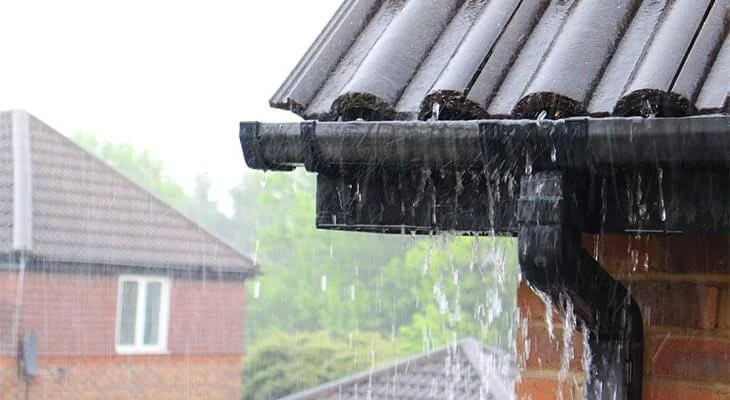
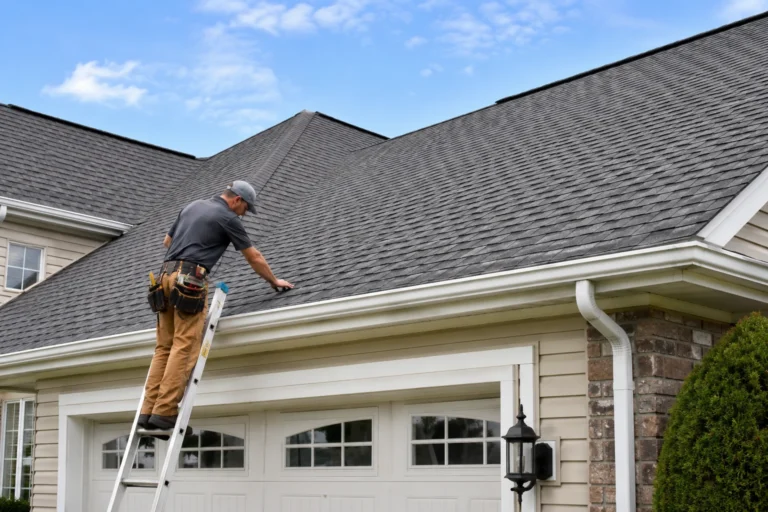
Roofing. Slate, clay tile, copper, and other premium roofing materials can last generations, but only with regular inspection. Small cracked tiles or lifted flashing left unaddressed lead to water intrusion that can silently damage framing and insulation for months before it’s visible indoors.
Exterior preservation. Stucco, natural stone facades, and painted masonry all need periodic resealing and inspection for hairline cracking, especially in climates with freeze-thaw cycles.
Premium flooring. Hardwood, natural stone, and specialty tile each have different humidity and cleaning requirements. A consistent maintenance schedule, refinishing hardwood every several years and resealing stone annually, prevents the kind of wear that’s costly to fully restore.
Custom interiors. Built-in cabinetry, custom millwork, and designer finishes should be inspected for seasonal expansion and contraction, particularly in homes with significant humidity swings between seasons.
HVAC systems. Larger homes often run zoned or multi-unit HVAC systems that require more frequent filter changes and professional servicing than a standard residential system. Neglect here shows up as uneven temperatures, higher energy bills, and shortened equipment lifespan.
Electrical infrastructure. Smart-home integrations, EV chargers, pools, and outdoor lighting all add electrical load. Panels and circuits should be reviewed periodically, especially after any renovation or added technology.
Plumbing maintenance. Multiple bathrooms, irrigation systems, pools, and sometimes wells or private septic systems mean more points of potential failure. Routine leak detection and pressure testing catch small issues before they become water damage claims.
Outdoor Spaces That Enhance Luxury Living
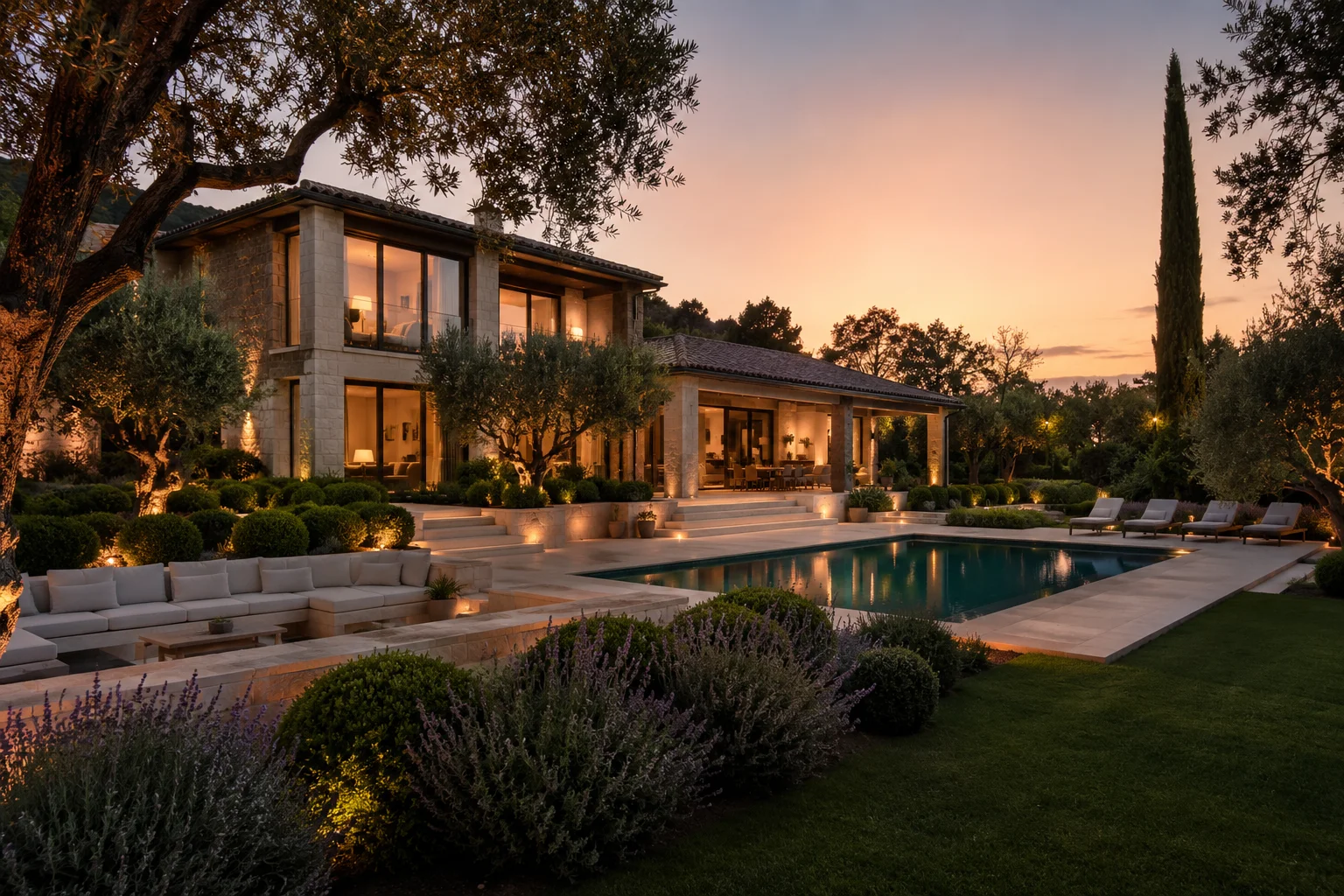
Outdoor living areas are often the most visible expression of a luxury property’s value, and among the most neglected when it comes to maintenance planning.
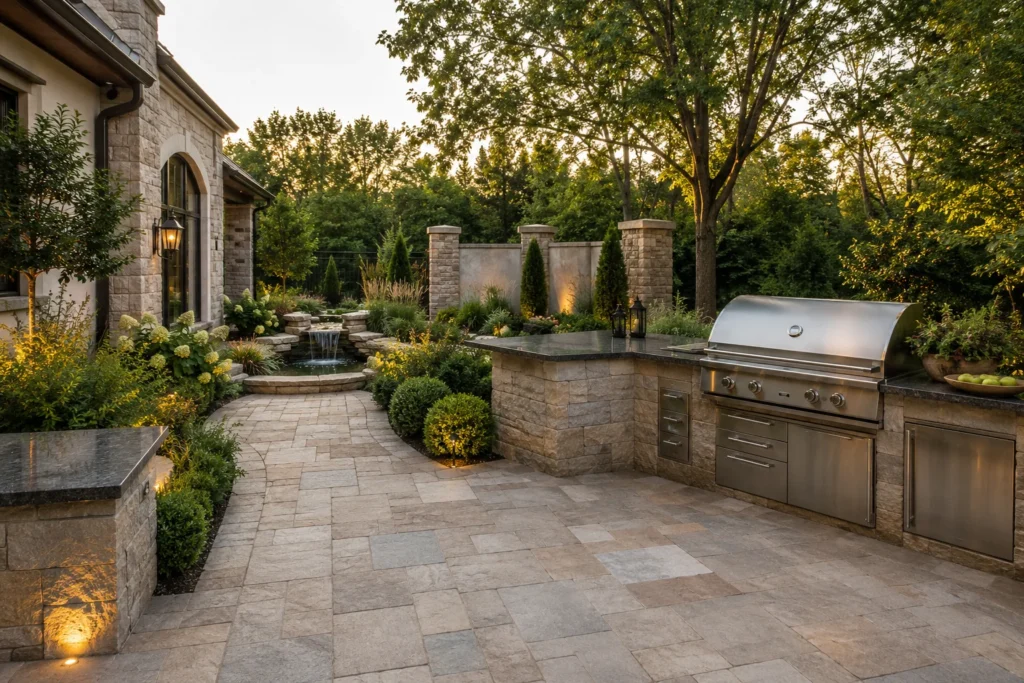
- Landscaped gardens need seasonal planning for irrigation, soil health, and plant rotation, particularly with mature or specimen trees that represent decades of growth.
- Private courtyards with pavers or natural stone require joint sealing and periodic cleaning to prevent weed intrusion and staining.
- Swimming pools need consistent water chemistry management, equipment servicing, and structural inspection of decking and coping.
- Outdoor kitchens exposed to weather need protective covers and periodic servicing of built-in appliances, which fail faster than indoor equivalents.
- Lighting design, especially low-voltage landscape lighting, should be checked seasonally for fixture corrosion and wiring integrity.
- Water features such as fountains or ponds need pump maintenance and periodic cleaning to prevent algae buildup and mineral scaling.
For a deeper walkthrough of seasonal outdoor planning, see our luxury outdoor landscaping ideas.
Historic Homes vs Modern Luxury Villas
One of the most common questions we hear from clients evaluating a purchase is how maintenance differs between a historic estate and a newly built luxury villa. The honest answer is: significantly, and in ways that affect budgeting.
| Factor | Historic Luxury Home | Modern Luxury Villa |
|---|---|---|
| Materials | Original, often irreplaceable | Contemporary, more readily sourced |
| Restoration approach | Requires preservation specialists | Standard premium contractors often sufficient |
| Systems (HVAC, electrical) | Frequently retrofitted, higher failure risk | Built to current code, more efficient |
| Regulatory considerations | May involve historic preservation review | Fewer restrictions on alterations |
| Annual maintenance cost | Generally higher due to specialized labor | Generally lower, though still substantial |
| Long-term value driver | Architectural authenticity and rarity | Modern amenities and efficiency |
Neither category is inherently a better investment. The right choice depends on the owner’s tolerance for specialized upkeep and their appreciation for the character that only an older structure can offer. What matters is going in with realistic expectations about the maintenance commitment each path requires.
Smart Technology in Luxury Properties
Following industry best practices, most new luxury builds and many renovated estates now integrate smart technology as a core part of estate management rather than a novelty feature.
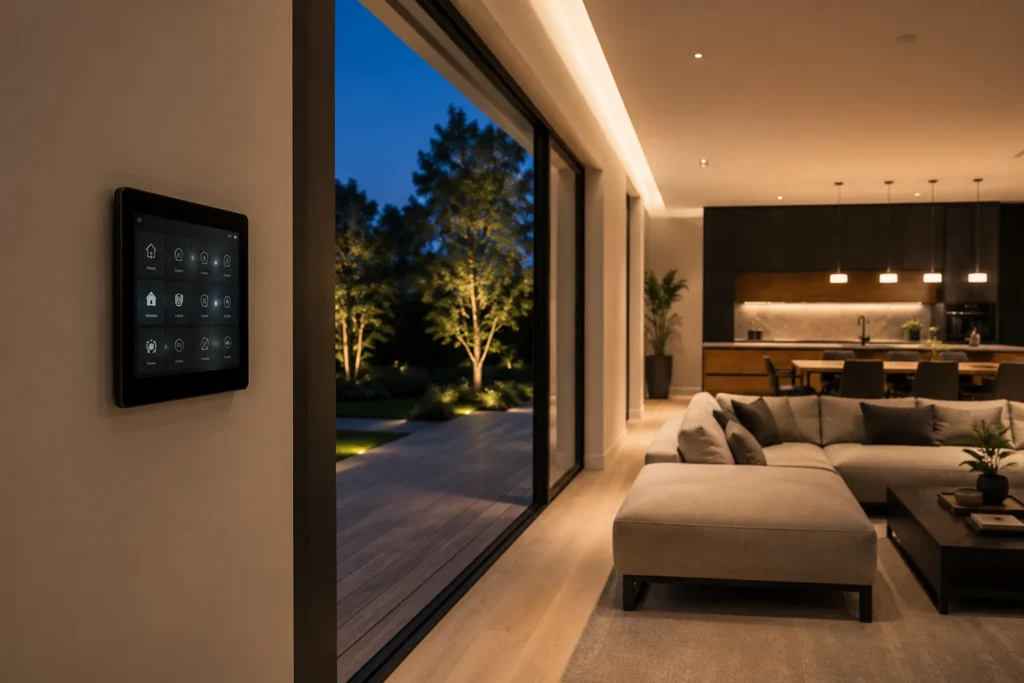
Home automation systems that control lighting, climate, and window treatments reduce energy waste while adding convenience, but they also add a layer of technology that needs periodic software updates and professional calibration.
Energy management platforms let owners track consumption patterns and identify inefficiencies, such as an HVAC zone running longer than expected, before they become expensive problems.
Security systems in high-end properties often integrate cameras, access control, and perimeter sensors. These systems should be tested regularly, not just installed and forgotten.
Climate control with zoned sensors helps protect sensitive materials. Wine cellars, art collections, and antique furniture all benefit from consistent humidity and temperature management.
Remote monitoring is particularly valuable for seasonal or secondary residences, allowing owners or property managers to catch issues like a failed sump pump or a spike in water usage before a small problem becomes a major loss.
For homeowners exploring their options, our smart home improvement guide covers integration considerations in more depth.
Protecting Property Value Through Preventive Maintenance
At InfoActivePropertyCare, we’ve found that the single biggest differentiator between well-preserved luxury properties and those that lose value over time isn’t the quality of the original construction. It’s the consistency of ongoing care.
A solid preventive maintenance approach includes:
- Inspection schedules. Roofing, HVAC, plumbing, and structural elements should be professionally inspected at least annually, with more frequent checks for pools, irrigation, and outdoor equipment.
- Seasonal maintenance. Winterizing exterior plumbing, servicing HVAC before peak seasons, and preparing landscaping for climate shifts all prevent predictable, avoidable damage.
- Documentation. Keeping records of inspections, repairs, and renovations creates a maintenance history that’s valuable both for planning and for demonstrating diligence to future buyers or appraisers.
- Professional servicing. Specialized systems such as elevators, wine cellars, smart-home platforms, and custom pools generally need vendor-specific servicing rather than general handyman work.
Luxury Property Investment Considerations
Property maintenance and investment strategy are more connected than many owners initially realize. Our property maintenance observations suggest a few consistent patterns worth factoring into any ownership plan.
Long-term appreciation tends to favor properties in strong locations with well-documented maintenance histories, though no property type is immune to broader market cycles.
Rental potential, for owners considering leasing a luxury property, is directly affected by the condition of finishes, outdoor spaces, and smart-home functionality. Tenants at this price point expect systems to work flawlessly.
Maintenance budgeting should be treated as a fixed cost of ownership, not a discretionary expense. Many advisors suggest planning for maintenance costs as a percentage of the property’s value annually, though the right figure varies significantly based on the age, materials, and complexity of the home.
Market stability favors properties that have been consistently cared for, since buyers and appraisers alike view deferred maintenance as a red flag that often triggers deeper inspection contingencies.
Preserving resale value comes down to the cumulative effect of the maintenance decisions made over years of ownership. Well-maintained premium properties are generally more attractive to buyers, though no maintenance program can guarantee a specific return or shield a property entirely from broader market conditions.
Common Mistakes Luxury Property Owners Make
Even experienced owners fall into predictable traps. The most common ones we encounter include:
- Delaying maintenance on the assumption that quality construction means systems can be neglected longer than they actually can.
- Ignoring preventive inspections, particularly for roofing and plumbing, until a visible problem forces an expensive emergency response.
- Choosing low-quality repairs to save money in the short term, which often costs more when the repair fails and the underlying issue has to be addressed anyway.
- Overlooking landscaping, treating it as purely cosmetic rather than recognizing that mature trees, irrigation systems, and hardscaping all represent real asset value that can be lost through neglect.
Annual Luxury Property Maintenance Checklist
Spring
- Inspect roof and gutters after winter weather
- Service HVAC systems ahead of cooling season
- Test irrigation systems and reactivate landscaping care
- Open and inspect pool systems
Summer
- Reseal exterior stone or masonry as needed
- Inspect outdoor kitchen appliances and structures
- Check smart-home and security system functionality
- Review energy consumption patterns
Fall
- Service HVAC systems ahead of heating season
- Winterize exterior plumbing and irrigation
- Inspect and clean gutters before leaf drop ends
- Schedule chimney and fireplace inspections
Winter
- Monitor for ice damming and roof stress
- Check insulation and window seals for drafts
- Review documentation and plan the following year’s maintenance budget
- Schedule any specialized restoration work for historic elements
For a more detailed version of this framework, see our complete property maintenance checklist.
Final Thoughts
Luxury property ownership isn’t just about enjoying a beautiful home. It’s about actively protecting a significant financial and personal investment. The properties that hold their value best over time are rarely the ones with the most expensive finishes; they’re the ones with the most consistent care behind them. A realistic maintenance budget, a documented inspection schedule, and a willingness to address small issues before they grow are the foundation of long-term asset preservation.
Explore more expert property care, maintenance, and home improvement guides on InfoActivePropertyCare.