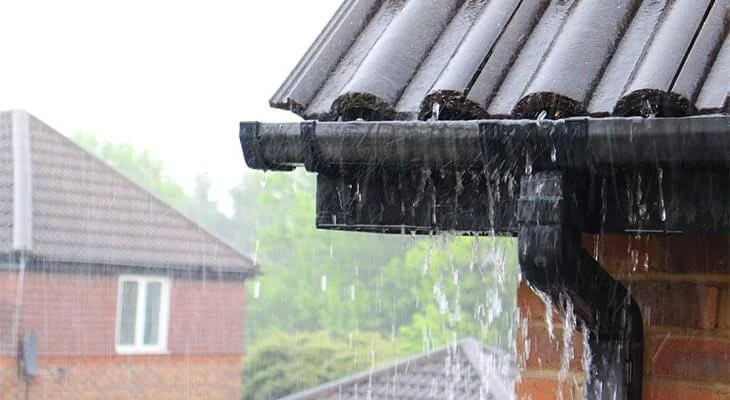
Picture this: you’ve just spent another summer watching your patio cover fade, warp, and leak again. The timber battens are rotting at the edges, the old fibreglass sheets have gone so yellow that barely any usable light filters through, and every time a hailstorm rolls in, you’re mentally calculating repair costs. Sound familiar?
It’s exactly the situation that pushes thousands of homeowners every year to start researching smarter roofing alternatives. And again and again, one material keeps rising to the top of those conversations: polycarbonate roofing.
At InfoActivePropertyCare, we’ve worked alongside countless homeowners upgrading patios, carports, pergolas, and sunrooms. What we’ve observed consistently is that once people make the switch to polycarbonate, they rarely look back. This guide explains why, and how to make the most of it for your own property.
What Are Polycarbonate Roofs?
Polycarbonate is a high-performance thermoplastic polymer that has become one of the most trusted lightweight roofing materials in residential construction. Unlike glass, it’s virtually unbreakable under normal conditions. Unlike timber or fibreglass, it doesn’t rot, crack, or yellow as quickly when UV-stabilised coatings are applied.
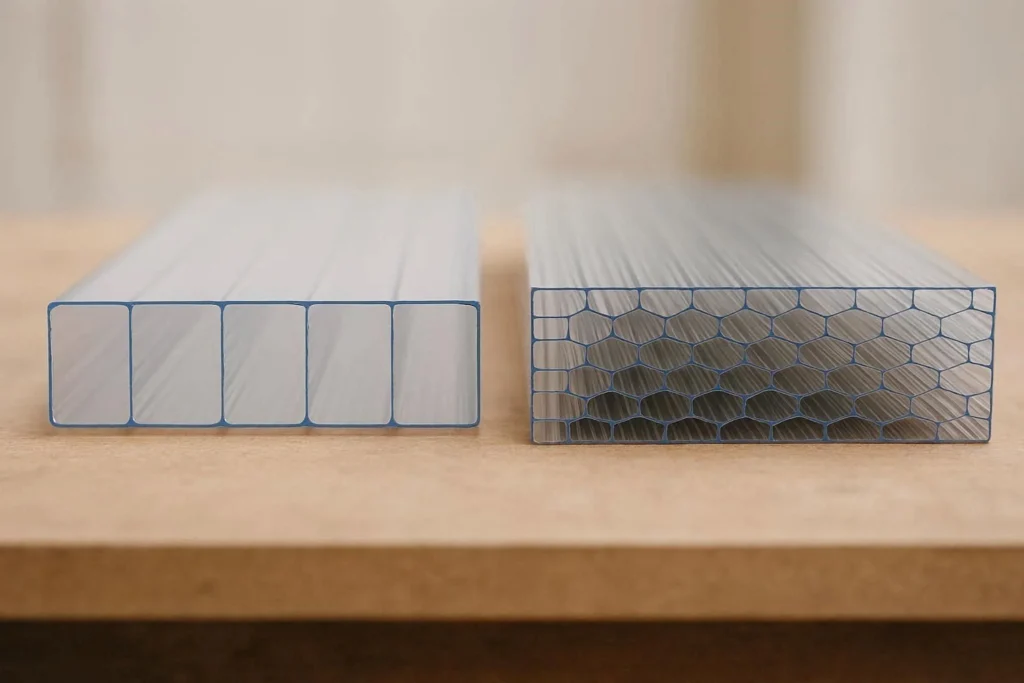
Polycarbonate roof panels typically come in three main forms:
- Twin-wall (hollow) sheets: two layers with internal air cells for excellent thermal insulation
- Multi-wall sheets: three or more layers for even greater insulation in extreme climates
- Solid (monolithic) sheets: single-layer panels offering exceptional clarity and impact resistance
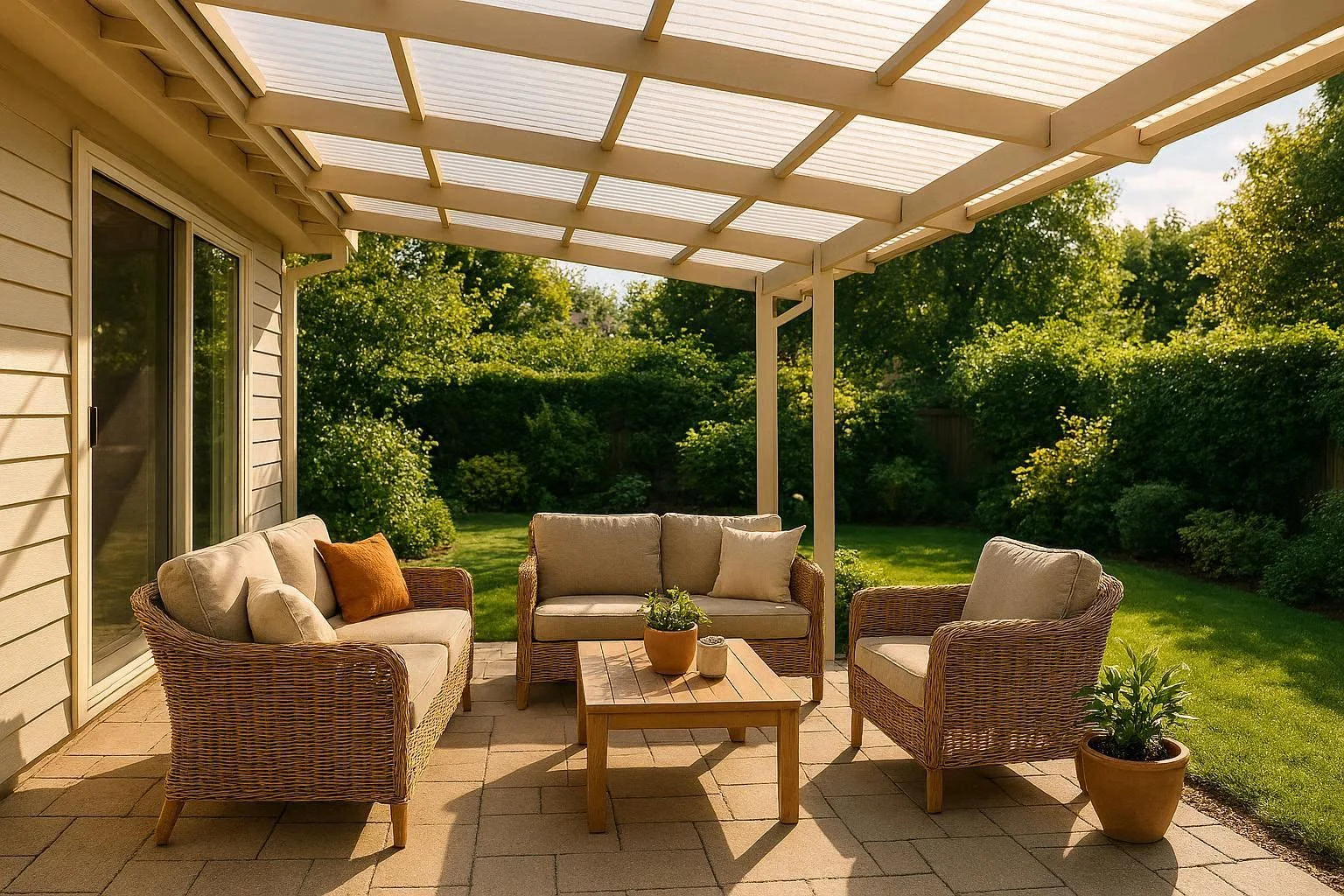
The material is used widely in patios, conservatories, pergola roofs, carports, garden rooms, and commercial glazing. It transmits natural light often 80–90% depending on the grade while managing heat and UV exposure far better than plain glass.
Why Homeowners Are Switching to Polycarbonate Roofing
The shift toward polycarbonate isn’t a trend. It’s a response to real, practical frustrations with older roofing materials.
From our property care experience, the most common reason homeowners make the switch is the combination of long-term cost savings and low maintenance burden. Traditional timber pergola roofs need repainting, re-staining, or replacement every few years. Fibreglass corrugated sheets degrade and discolour. Metal sheeting, while durable, can be noisy in rain and creates significant heat build-up in summer.
Polycarbonate addresses all of these pain points in one install. Here’s what homeowners consistently tell us drives their decision:
- They want natural light without the weight and cost of glass
- They’re tired of replacing cheaper roofing materials every 3–5 years
- They want a covered outdoor area that actually feels comfortable year-round
- They’re looking for a material that can handle local weather conditions, whether that’s tropical rain, heavy hail, or intense sun
For anyone exploring a backyard upgrade or outdoor living improvement, polycarbonate roofing offers one of the highest returns on both comfort and property value.
Key Benefits of Polycarbonate Roof Systems
1. Exceptional Durability
Quality polycarbonate panels are rated to withstand impacts that would shatter glass. Many manufacturers test their panels against hail up to 35mm in diameter, a significant threshold for residential roofing. The material doesn’t rust, corrode, or absorb moisture, meaning it maintains structural integrity across decades rather than years.
At InfoActivePropertyCare, we’ve found that homeowners in storm-prone regions especially value this resilience. A panel that survives a hailstorm without cracking is a panel you’re not replacing in the morning.
2. UV Protection Built In
Premium polycarbonate panels come with co-extruded UV-blocking layers. This is critical, not just for protecting the people underneath, but for preserving the panel itself. Without UV stabilisation, polycarbonate degrades and yellows rapidly. With it, modern panels carry 10–15 year UV protection warranties as standard.
This matters for patios and outdoor entertainment areas where sun exposure is constant and skin protection is a genuine concern.
3. Lightweight Design: Easier Installation, Less Structural Load
One of polycarbonate’s most underappreciated advantages is how little it weighs compared to alternative roofing materials. A 6mm twin-wall polycarbonate sheet weighs roughly 1.3 kg/m², a fraction of glass (around 15 kg/m² for equivalent thickness) or concrete tiles.
This has two practical implications for homeowners:
- Existing pergola or patio structures rarely need reinforcing to support polycarbonate roofing
- Installation is faster, which reduces labour costs significantly
4. Natural Light Transmission
Polycarbonate roofing transforms covered outdoor areas. Instead of sitting under a dark, oppressive roof, homeowners get a bright, airy space that feels connected to the outdoors. This is particularly valuable for garden rooms, sunrooms, and alfresco dining areas.
The diffusing properties of multi-wall panels are also beneficial. They scatter direct sunlight to reduce glare and harsh shadows without significantly reducing overall brightness.
5. Weather and Thermal Efficiency
Multi-wall polycarbonate panels act as thermal insulators, trapping air between layers just like double-glazed windows. This reduces heat transfer, keeping covered spaces cooler in summer and warmer in winter compared to single-skin materials.
For homeowners designing year-round outdoor living spaces, this thermal efficiency makes polycarbonate far more practical than corrugated metal or fibreglass alternatives.
6. Impact Resistance
Polycarbonate is approximately 200 times stronger than glass of equivalent thickness. In practical terms, this means it resists cracking from debris, branches, and hailstones, all common causes of roof damage for Australian and UK homeowners in particular.
Best Areas to Use Polycarbonate Roofing
Polycarbonate isn’t suitable for every application, but for certain structures it’s genuinely the best material available. Here’s where it performs most consistently well:
| Application | Why Polycarbonate Works |
|---|---|
| Patios & Alfresco Areas | Light transmission, weather protection, low weight |
| Pergolas | Preserves open feel while blocking rain and UV |
| Carports | Durable enough for vehicle protection, easy to install |
| Sunrooms / Conservatories | Thermal insulation + natural light = year-round comfort |
| Garden Structures / Greenhouses | Light diffusion promotes plant growth |
| Outdoor Entertainment Spaces | Comfortable year-round with proper panel selection |
One important nuance: panel thickness and grade matter enormously depending on the application. A patio in a mild climate may work fine with 6mm twin-wall panels, while a greenhouse in a region with heavy snow loading may require 16mm multi-wall sheets. Choosing the wrong specification is one of the most common mistakes we see.
For more on planning outdoor structures correctly, our garden and backyard guide walks through key planning considerations before installation.
Common Mistakes Homeowners Make with Polycarbonate Roofing
Even good materials underperform when they’re installed or maintained incorrectly. These are the errors we most commonly observe:
1. Skipping UV-protection panels to save money Budget polycarbonate without UV stabilisation will yellow and become brittle within 3–5 years. Always check for a co-extruded UV layer and a manufacturer’s UV warranty before purchasing.
2. Incorrect panel orientation Multi-wall sheets must be installed with the internal channels running vertically (following the roof slope) to allow water drainage and prevent algae growth. Installing horizontally traps moisture inside the channels.
3. Over-tightening fixings Polycarbonate expands and contracts with temperature. Fixings need to allow for movement; over-tightening causes cracking around screw holes within months.
4. Not sealing panel ends properly Open panel ends allow insects, moisture, and debris to enter the internal channels. Proper closure tape and end caps are non-negotiable for longevity.
5. Ignoring structural load ratings Even though polycarbonate is lightweight, the supporting structure must meet engineering requirements for your local wind and snow load conditions. Skipping this step can lead to catastrophic failure in storms.
Polycarbonate Roof Maintenance Tips
One of polycarbonate’s genuine selling points is how little maintenance it needs, but “low maintenance” doesn’t mean “no maintenance.” Here’s what a sensible annual care routine looks like:
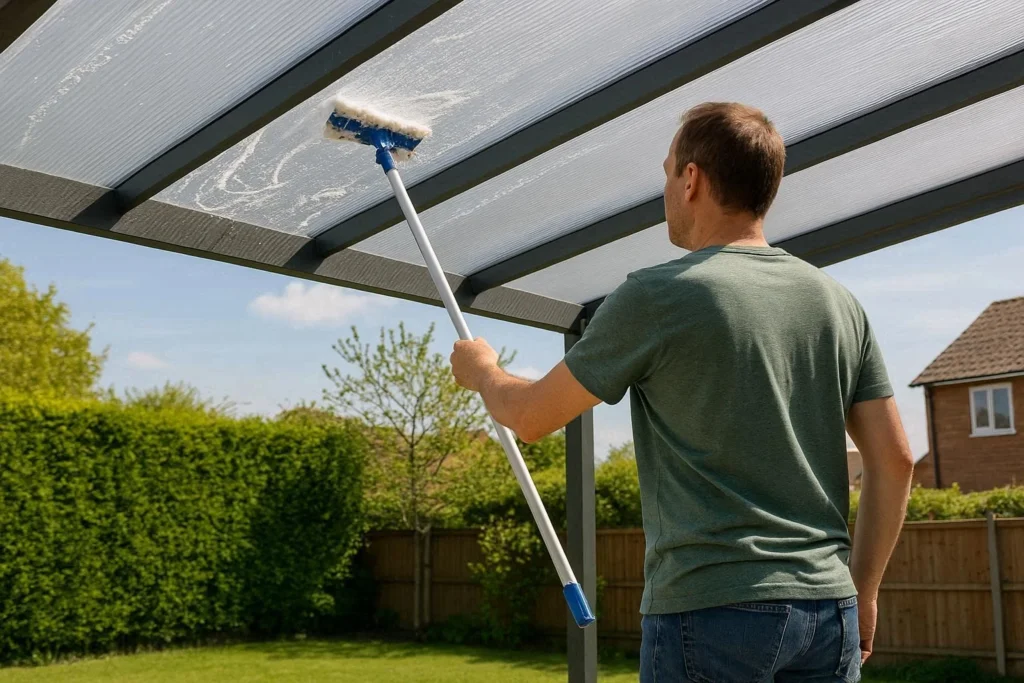
- Clean twice yearly with mild soapy water and a soft cloth or sponge. Avoid abrasive cleaners or hard brushes which scratch the surface and degrade UV coatings.
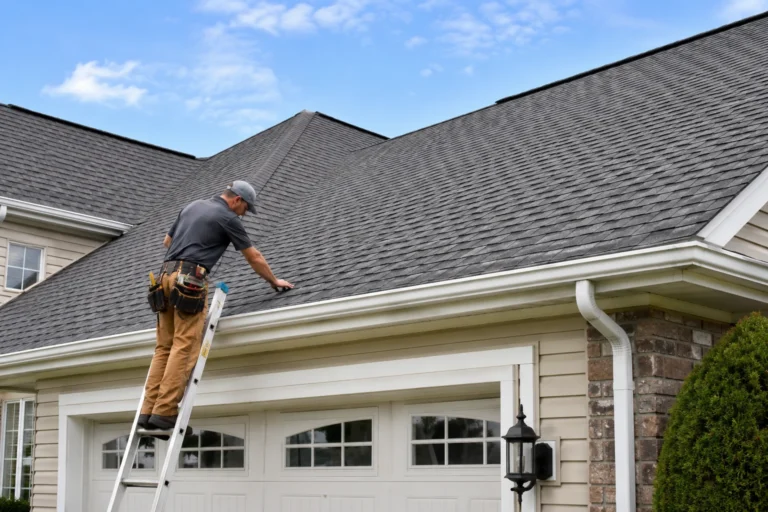
- Inspect fixings and seals annually. Reapply sealant where gaps appear around flashings and end caps.
- Clear debris promptly. Leaves and organic matter sitting on the surface can stain and eventually damage panels.
- Check for algae growth on shaded sections. A diluted bleach solution (used carefully) addresses this before it becomes structural.
- Inspect internal channels of multi-wall panels every few years to confirm drainage isn’t blocked.
In many property improvement projects we’ve observed, homeowners who follow a simple annual check routine get 20+ years out of their polycarbonate roofing without needing panel replacement.
For a broader overview of roofing care best practices, the APC Roofing Tips Recap is well worth reviewing before and after installation.
Real-World Property Improvement Scenarios
Scenario 1: The Ageing Timber Pergola A homeowner in a suburban area has a 10-year-old timber pergola with a shadecloth cover. The cloth has faded and torn, the timber needs restaining annually, and the structure provides no rain protection. Switching to a 10mm twin-wall polycarbonate roof adds all-weather protection, natural light, and removes the annual shadecloth replacement cost. The material cost savings over 10 years compared to repeated shadecloth replacement are substantial.
Scenario 2: The Dark Garage Extension A single-car carport attached to the home has a solid metal roof that makes the adjacent laundry area feel like a cave. Replacing sections with clear polycarbonate panels introduces natural light without requiring electrical work. Practical and immediately noticeable.
Scenario 3: The Backyard Greenhouse A keen gardener replaces an old fibreglass greenhouse roof with opal multi-wall polycarbonate. The diffused light improves plant growth while the improved insulation extends the growing season by weeks. The upgrade pays for itself in reduced heating costs within two winters.
Is Polycarbonate Roofing Worth It Long-Term?
The honest answer, and we always aim to be honest at InfoActivePropertyCare, is: yes, for the right applications, with quality panels.
The caveats matter. Budget polycarbonate from unverified suppliers without proper UV warranties is not worth the initial saving. And polycarbonate will never fully replace glass for high-end conservatory glazing where absolute clarity and scratch resistance are priorities.
But for patios, pergolas, carports, garden structures, and outdoor living areas? Polycarbonate offers a compelling long-term value proposition:
- Lower installation costs than glass
- Lower maintenance requirements than timber or fibreglass
- Better performance than corrugated metal in comfort and aesthetics
- Genuine lifespans of 15–25 years with quality panels and proper care
The upfront cost is higher than the cheapest alternatives. The 10-year cost is considerably lower.
Frequently Asked Questions
Yes. Quality UV-stabilised polycarbonate panels are extremely durable, rated to resist impacts that would crack or shatter glass. They don’t rust, rot, or corrode, and they perform well across a wide range of temperatures. Lifespan depends heavily on panel quality and UV protection specification.
With proper installation and basic maintenance, premium polycarbonate panels typically last 15–25 years. Many manufacturers offer 10–15 year UV and impact warranties. Cheaper panels without proper UV stabilisation can degrade in as few as 5 years.
Yes. Polycarbonate is significantly stronger than glass and most alternative roofing materials. Quality panels are tested for hail resistance and wind loading. For extreme weather regions, always confirm the panel’s specific impact and load ratings match your local requirements.
Polycarbonate is one of the best patio roofing materials available. It combines rain and UV protection with natural light transmission, is lightweight enough for most existing structures, and requires minimal upkeep. Twin-wall panels are the most popular choice for residential patios.
A well-installed polycarbonate roof that creates a usable, weatherproof outdoor living area adds value both in liveability and market appeal. Buyers increasingly view covered outdoor entertainment areas as a core feature rather than a bonus. The key is quality installation and appropriate panel specification.
Conclusion
Polycarbonate roofing has earned its place as one of the smartest choices for modern residential property improvement, and the reasons aren’t complicated. It’s durable, low-maintenance, light-transmitting, weather-resistant, and genuinely cost-effective over a realistic ownership timeline.
The homeowners who love it most are the ones who did it properly: quality UV-stabilised panels, correct installation, and a simple annual maintenance routine. Those who’ve had poor experiences almost always trace it back to cutting corners on panel specification or installation.
If you’re considering a patio upgrade, pergola improvement, or any outdoor roofing project, polycarbonate deserves serious consideration as your primary material.
Explore more property improvement and maintenance guides on InfoActivePropertyCare from how-to guides for hands-on homeowners to full project planning resources across roofing, landscaping, and home building.
InfoActivePropertyCare is a property care and home improvement resource dedicated to helping homeowners make informed, practical decisions. Our guides draw on real project observations and industry experience across roofing, garden structures, and residential property maintenance.