A well-kept outdoor space doesn’t happen by accident. Whether you’re a homeowner staring at patchy grass and overgrown shrubs or a property manager trying to boost curb appeal across multiple units, the difference between a forgettable yard and a genuinely impressive one usually comes down to one thing: consistent, informed landscape maintenance.
At InfoActivePropertyCare, we’ve worked alongside property owners long enough to know that most landscaping problems aren’t caused by bad soil or bad weather, they’re caused by skipping the fundamentals. This guide covers everything from turf management and palm tree trimming to fertilization strategies and landscape lighting design, so you can build an outdoor space that’s both beautiful and practical.
Why Landscaping Matters for Property Value
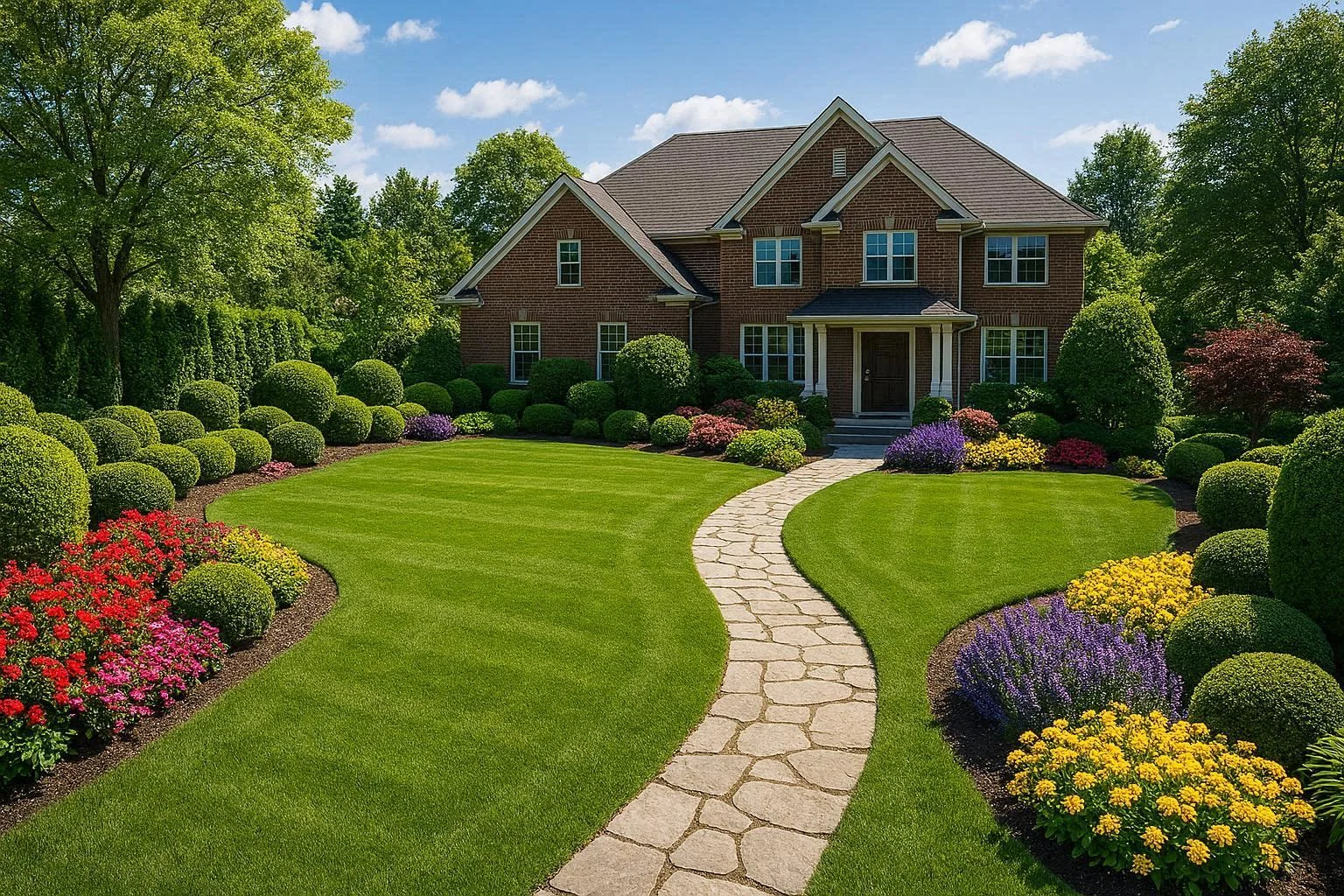
Landscaping isn’t just about aesthetics. Studies from the National Association of Realtors have consistently shown that well-maintained landscaping can add between 5% and 15% to a home’s resale value. For commercial properties, the impact is equally significant, customers and clients form first impressions before they ever walk through the door.
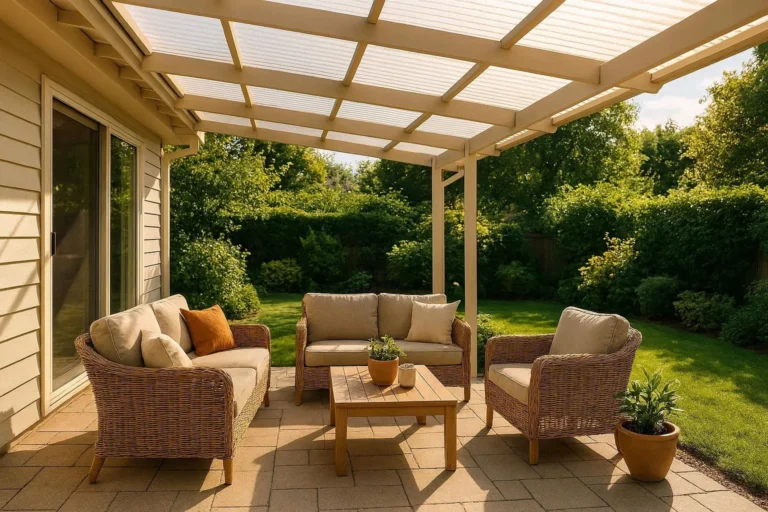
Beyond dollars and cents, a thoughtfully designed outdoor space improves how you actually use your property. A shaded patio, a well-lit walkway, and healthy turf transform a yard from dead square footage into functional living space. That’s the dual payoff of smart landscaping: it works for your wallet and your quality of life.
The Foundations of Effective Lawn Maintenance
Healthy grass is the backbone of nearly every residential and commercial landscape. Yet it’s also one of the most mismanaged elements in property care. Here’s what consistent turf management actually looks like in practice.
Mowing Schedules and Technique
Most cool-season grasses thrive when cut to 3–4 inches; warm-season varieties like Bermuda and Zoysia prefer a shorter 1.5–2.5 inch height. The golden rule: never remove more than one-third of the blade in a single mow. Cutting too short stresses the plant, reduces root depth, and opens the lawn to weed invasion.
- Mow cool-season grasses weekly during active growth
- Mow warm-season grasses every 5–7 days in peak summer
- Keep mower blades sharp, dull blades tear rather than cut, leaving grass vulnerable to disease
Watering Practices
Overwatering is one of the most common lawn mistakes we observe across property care projects. Most established lawns need about 1 inch of water per week, ideally delivered in one or two deep sessions rather than light daily sprinkles. Deep watering encourages roots to grow downward, making the lawn more drought-tolerant over time.
Early morning is the optimal watering window, it reduces evaporation and limits fungal growth compared to evening irrigation.
Soil Health and Weed Prevention
No fertilization program works well if your soil is compacted or badly pH-balanced. Annual aeration, ideally in fall for cool-season grasses or late spring for warm-season varieties, opens up compacted soil and allows nutrients, water, and oxygen to reach root zones.
Weed prevention starts with a dense, healthy lawn, thin turf is an open invitation. Pre-emergent herbicides applied in early spring before soil temperatures reach 55°F can significantly reduce crabgrass and broadleaf weed pressure throughout the season.
Palm Tree Trimming: Benefits and Best Practices
For properties in warmer climates, Florida, the Gulf Coast, California, and the Southwest, palm trees are a landscaping centerpiece. They’re also frequently misunderstood when it comes to maintenance.
Why Proper Pruning Matters
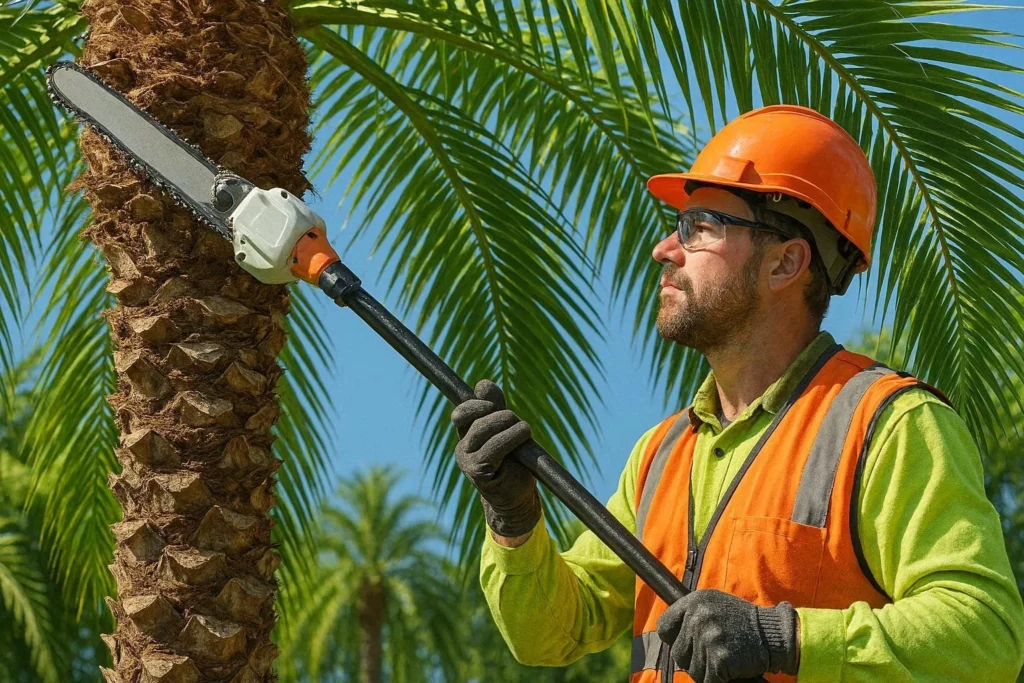
Palm trees don’t require aggressive pruning to stay healthy. In fact, over-trimming, sometimes called “hurricane cutting”, actually weakens the tree’s structure and makes it more susceptible to storm damage, not less. The goal with palm trimming is targeted and purposeful: remove dead, brown, or dying fronds; clear any fruiting structures that drop debris; and maintain clearance from structures, power lines, and pedestrian areas.
Safety and Storm Preparation
Loose or dead fronds become projectiles in high winds. Before storm season, inspecting and trimming palms removes that hazard and allows the canopy to flex more efficiently in strong gusts rather than catching wind like a sail.
When to Trim
- Remove fronds only when they have turned fully brown and hang below horizontal
- Avoid trimming green fronds, they still supply nutrients to the tree
- Schedule trimming once per year unless structural or safety concerns arise
- Always hire a certified arborist or experienced landscaping professional for taller trees
Appearance Enhancement
A properly trimmed palm has a clean, symmetrical canopy that gives a property a resort-quality appearance. Removing old flower stalks and seed pods also eliminates fruit drop, which keeps walkways safer and reduces cleanup maintenance.
Fertilization Strategies for Stronger Lawns and Plants
Fertilization is one area where homeowners most often swing between two extremes: either ignoring it entirely or applying products at the wrong time in the wrong amounts. Neither works.
Seasonal Fertilization Schedule
| Season | Focus | Recommended Action |
|---|---|---|
| Early Spring | Jumpstart growth | Apply slow-release nitrogen fertilizer as soil warms |
| Late Spring | Build density | Follow up with balanced N-P-K fertilizer |
| Summer | Stress maintenance | Avoid heavy nitrogen; use iron for color if needed |
| Fall | Root development | High potassium fertilizer strengthens roots for winter |
| Winter | Rest period | Minimal or no fertilization for most grass types |
Nutrient Management
A soil test is the most underused tool in residential landscaping. For less than $20, you can identify exactly what your soil is lacking rather than guessing. At InfoActivePropertyCare, we’ve found that properties with documented soil test results achieve notably better results from their fertilization programs, the nutrients get applied where they’re actually needed.
Nitrogen (N) drives leaf growth; phosphorus (P) supports root development; potassium (K) builds overall resilience. Most established lawns need very little phosphorus once mature, which is why many modern lawn fertilizers are phosphorus-free.
Common Fertilization Mistakes
- Applying too much too fast: causes nitrogen burn and harms roots
- Fertilizing during drought without irrigation: compounds stress instead of relieving it
- Ignoring pH: nutrients become unavailable to plants if soil pH is outside the 6.0–7.0 range for most turf
- Using the same product year-round: seasonal nutrient needs change significantly
Environmental Considerations
Over-fertilizing near waterways, storm drains, or slopes contributes to nutrient runoff and algae bloom in local water systems. Slow-release formulations and buffer zones near water edges are both responsible and increasingly required by local ordinances.
Landscape Lighting and Outdoor Functionality
Well-designed landscape lighting transforms a property after dark. It’s not a luxury add-on, it’s a functional improvement with real safety, security, and aesthetic value.
Safety and Security Benefits
Lit pathways, driveways, and entry points reduce trip hazards and discourage unauthorized access. Motion-activated lights near entries and dark corners provide added security without constant energy draw.
Curb Appeal After Dark
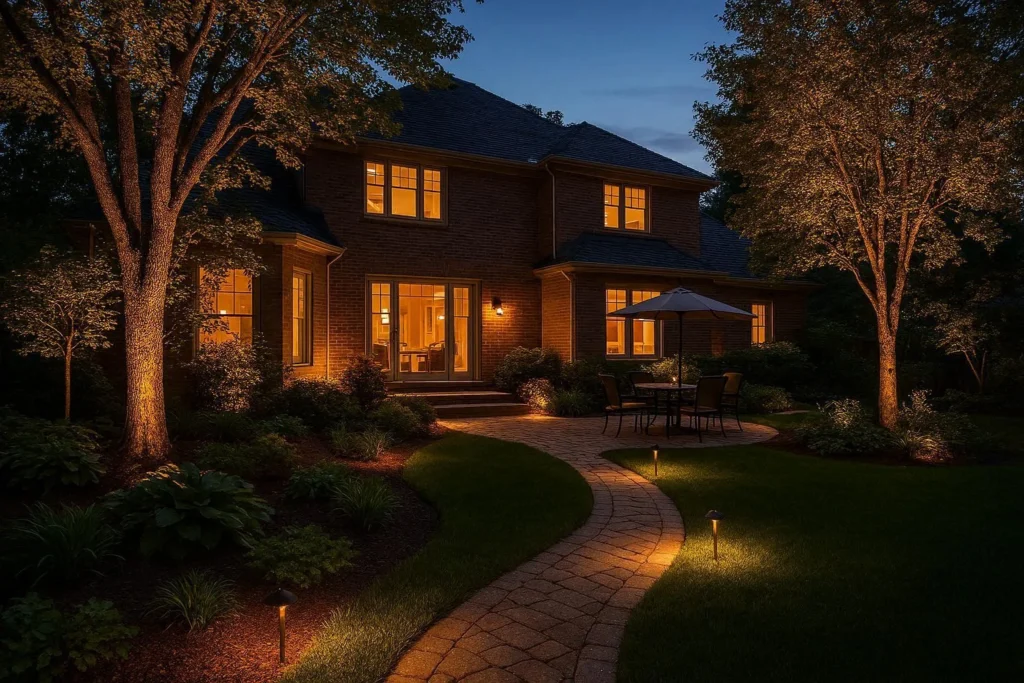
A home with well-placed uplighting on trees, architectural features, and garden beds looks dramatically different, and more valuable, at night than an unlit property. Pathway lights guide visitors and define the edges of planting beds, creating structure and depth.
Energy-Efficient Lighting Options
LED landscape lighting has largely replaced incandescent and halogen fixtures, and for good reason. Modern LED path lights and spotlights use 75–80% less energy than older bulbs and last significantly longer. Solar-powered options work well in supplemental or accent roles, though they’re less reliable in climates with inconsistent sunlight.
Recommended lighting placement zones:
- Uplights on specimen trees and architectural focal points
- Path lights every 6–8 feet along walkways and driveways
- Step lights on risers for outdoor stairs and elevated patios
- Downlighting from eaves or pergolas for ambient entertaining space
Residential vs. Commercial Landscaping Priorities
The underlying principles of good landscaping apply universally, but priorities differ significantly between residential and commercial settings.
Residential landscaping tends to focus on personal enjoyment, lifestyle enhancement, and long-term property value. Homeowners have more flexibility in plant selection, design style, and maintenance schedules. Seasonal color, privacy screening, and entertainment-ready outdoor spaces rank high.
Commercial landscaping operates under different pressures. Consistency, durability, and low maintenance effort matter more than creative variety. High-traffic areas need robust ground covers and hardscaping. Irrigation systems should be automated and programmable. First-impression zones, parking lot entries, building frontages, and signage areas, receive priority attention.
Companies like Greener Grass Landscaping demonstrate how professional landscaping services are increasingly specializing in both sectors, recognizing that the standards for commercial properties have risen significantly as property owners realize the ROI on quality outdoor maintenance.
Common Landscaping Mistakes to Avoid
Even experienced property owners make these errors. Knowing them in advance saves time, money, and plant material.
- Planting the wrong plant in the wrong place: A shade-loving shrub planted in full sun will always struggle, no matter how well you maintain it. Check mature size, light, and water requirements before planting.
- Ignoring drainage: Poor drainage kills plants, creates erosion, and damages foundations. Grade soil away from structures and install French drains or rain gardens where water pools.
- Skipping edging: Clean edges along beds and walkways are what separate a maintained landscape from a neglected one. Edge at least twice monthly during the growing season.
- Reactive rather than preventive maintenance: Waiting until trees are hazardous, turf is bare, or irrigation is broken costs far more than preventive care. Schedule seasonal walkthroughs and address small issues before they compound.
- Mulching too deep: Volcano mulching, piling mulch against tree trunks, traps moisture and causes rot. Keep mulch 2–3 inches deep and pulled back from trunk bases.
Seasonal Maintenance Checklist
Spring
- Aerate and overseed thin or bare lawn areas
- Apply pre-emergent weed control before soil warms
- Prune winter-damaged shrubs and ornamental grasses
- Service irrigation system; check for leaks and blockages
- Apply slow-release nitrogen fertilizer as temperatures rise
Summer
- Adjust mowing height upward during heat stress
- Monitor irrigation for coverage gaps
- Watch for fungal disease; adjust watering timing if needed
- Trim palms and remove dead fronds
- Check landscape lighting fixtures; replace burned-out LEDs
Fall
- Apply potassium-rich fertilizer to strengthen roots
- Plant cool-season annuals for fall and winter color
- Rake and remove leaf debris to prevent fungal issues
- Winterize irrigation systems in frost-prone climates
- Inspect trees for structural issues before storm season ends
Winter
- Mulch planting beds to insulate roots
- Plan spring landscaping projects and plant orders
- Service mowing equipment and sharpen blades
- Review landscape lighting coverage; add fixtures where needed
Long-Term Landscape Planning for Sustainable Results
The most beautiful landscapes are designed with time in mind. A tree planted today is an investment in shade, privacy, and property value ten years from now. A properly graded bed installed today prevents drainage problems for decades.
At InfoActivePropertyCare, our landscaping observations suggest that properties with documented maintenance plans, whether managed in-house or through a professional service, consistently outperform those operating reactively. A written plan doesn’t need to be elaborate. It simply needs to outline what gets done, when it gets done, and who’s responsible.
Sustainable landscaping also means thinking about water use, native plant integration, and reduced chemical inputs. Native plants require less irrigation, less fertilization, and less pest management than exotic ornamentals. Where property goals allow, incorporating regionally native species significantly reduces long-term maintenance burden.
For further reading on outdoor improvement planning, the InfoActivePropertyCare yard and garden guide provides a useful framework for planning seasonal projects. If you’re thinking about improvements that go beyond the lawn, the backyard and garden design guide covers design principles and structural improvements worth considering alongside your landscape plan.
Conclusion
Good landscaping is one of the highest-return investments you can make in a property, but only when it’s approached with consistency and intention. The fundamentals covered in this guide, sound turf management, targeted palm care, smart fertilization, functional lighting, and seasonal planning, aren’t complicated. They simply require showing up regularly and making decisions based on what the landscape actually needs rather than what’s convenient at the moment.
From curb appeal to storm preparation to long-term property value, every element of a well-maintained landscape serves a purpose. The goal isn’t a perfect yard. It’s a resilient, functional, and genuinely enjoyable outdoor space that holds its value season after season.
For more property care guidance, explore the InfoActivePropertyCare how-to guides, a growing library of practical advice for homeowners and property managers looking to get more from their outdoor spaces.